The BAFTA Curse: How Britain's Golden Gongs Turn TV Gold Into Forgotten Flops
The Golden Touch That Turns Everything to Dust
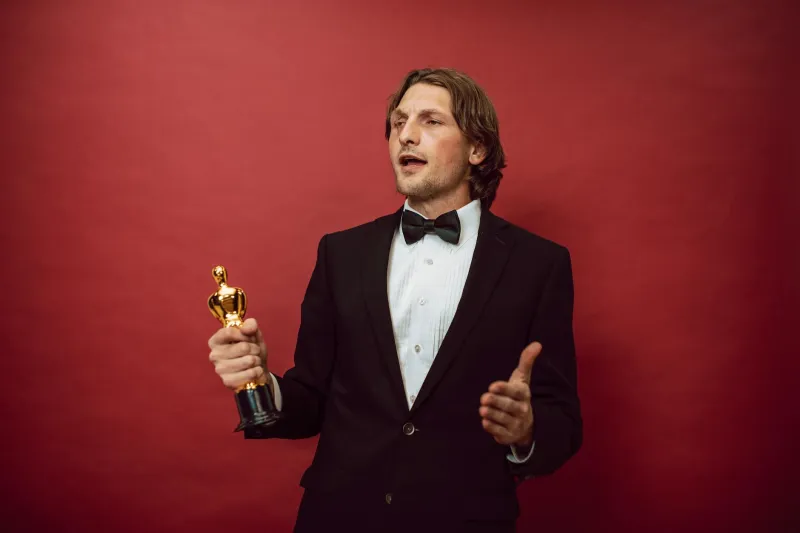
Picture this: It's BAFTA night, the cameras are rolling, and some plucky British drama you've never heard of just scooped up three gongs including Best Drama Series. The cast are crying, the producers are beaming, and Twitter is briefly alive with proclamations that "British television is back, baby!" Fast forward six months, and that same show has been quietly cancelled, its cast are doing adverts for car insurance, and the only place you can find it is buried somewhere in the depths of iPlayer's "Because You Watched" algorithm.
Welcome to the BAFTA curse – Britain's most reliable way of turning promising television into tomorrow's chip paper.
When Critical Darlings Meet Public Indifference
The pattern is as predictable as a Sunday roast and twice as depressing. Every awards season, a handful of British productions get anointed as the cultural touchstones of our time. Critics lose their minds, industry insiders nod knowingly, and somewhere in Television Centre, executives start planning the merchandising deals.
Take last year's big winner – a gritty Northern drama that shall remain nameless (mainly because you've already forgotten it existed). Six BAFTAs, rave reviews in The Guardian, and viewing figures that wouldn't fill a decent-sized Wetherspoons. The show's creator spent award season doing victory laps on Radio 4, explaining how their "unflinching examination of post-industrial Britain" was exactly what the nation needed. Apparently, the nation disagreed.
The disconnect isn't just embarrassing – it's becoming systematic. While BAFTA voters are crowning shows that tick every box on the cultural worthiness checklist, actual British viewers are binge-watching American true crime documentaries and rewatching The Office for the fifteenth time.
The Echo Chamber Effect
Here's where things get properly mental: the same 200-odd people who vote for these awards are often the same industry professionals making the shows, commissioning the shows, and writing about the shows. It's like asking a family to vote on which of their children is most attractive – the results might be heartfelt, but they're hardly representative.
This cosy little circle of mutual appreciation has created what one anonymous BBC executive described as "an awards ecosystem completely divorced from what anyone actually wants to watch." Shows get greenlit based on their BAFTA potential rather than their audience appeal, leading to a television landscape littered with worthy dramas about mining communities and coming-of-age stories set in 1970s Yorkshire.
Meanwhile, the shows that actually capture the public imagination – your Love Islands, your Bake Offs, your reality dating disasters – are relegated to the "Entertainment" categories, treated like the embarrassing cousin at a family wedding.
The Streaming Service Graveyard
The rise of streaming has only made things worse. Netflix and Amazon Prime are happy to throw money at BAFTA-bait, knowing that awards buzz generates press coverage and critical credibility. But when these shows fail to find an audience, they disappear into the algorithm's void faster than you can say "also starring Martin Freeman."
One streaming executive, speaking off the record, admitted: "We've got shows that won multiple BAFTAs sitting at a 60% completion rate. People start them because of the awards hype, then abandon them after two episodes. It's like buying expensive wine that tastes like vinegar."
The Real Winners and Losers
So who benefits from this bizarre system? Certainly not the viewers, who are repeatedly told they should be watching shows they clearly don't want to see. Not the creators, who find their award-winning masterpieces cancelled before they can say "series two." And definitely not the actors, who go from BAFTA winners to "that person from that thing" in record time.
The only real winners are the awards ceremony organisers, who get to present themselves as the arbiters of quality television while completely ignoring what quality actually means to the paying public.
Breaking the Cycle
The solution isn't to abandon artistic ambition or start giving BAFTAs to reality TV (though frankly, some of those producers show more creativity than half the drama nominees). Instead, the industry needs to acknowledge that critical acclaim and popular success aren't mutually exclusive.
Look at shows like Fleabag or The Crown – programmes that managed to win both awards and audiences by being, revolutionary concept, actually good. They didn't get there by ticking boxes or following formulas, but by understanding that British viewers are smart enough to appreciate quality when it's served up with a side of entertainment.
The Bottom Line
Until Britain's awards circuit stops treating public appeal like a dirty word, we'll continue this farcical cycle of crowning emperors with no clothes. The real tragedy isn't that BAFTA winners get forgotten – it's that we're wasting time, money, and talent on shows designed to impress committees rather than entertain audiences.
Maybe it's time for a new category: "Show People Actually Watched." The nominees might surprise you.