Smile for the Camera: How Britain's Paparazzi Became Celebrity Instagram Managers
The Death of the Ambush Shot
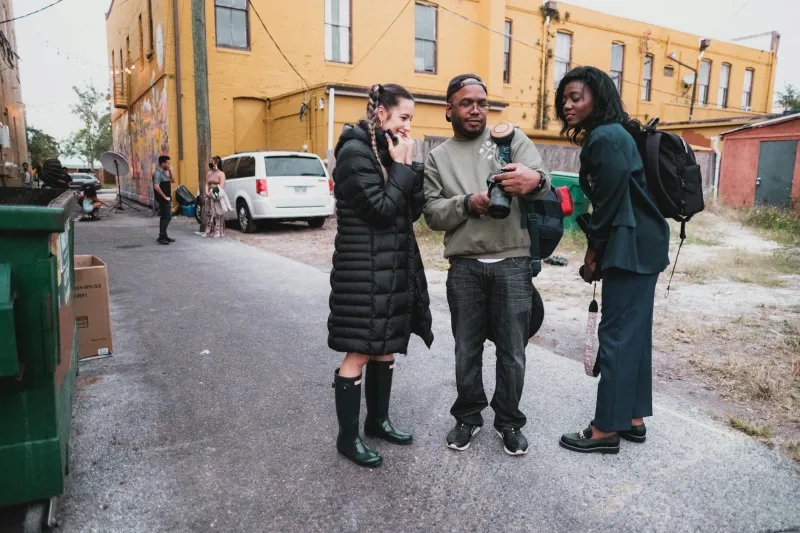
Remember when paparazzi were the villains of celebrity culture? Those grainy telephoto shots of famous people looking absolutely horrified to be photographed while nipping out for a Pret sandwich? Well, plot twist: those days are deader than a Nokia 3310. Britain's celebrity photography scene has undergone such a radical transformation that the word "paparazzi" barely applies anymore. We're now living in an era where celebrities text photographers their location, stylists coordinate with camera crews, and "candid" shots are about as spontaneous as a royal wedding.
The shift started gradually, then happened all at once. As Instagram became the primary currency of celebrity relevance, stars realised that controlling their image meant controlling their earning potential. Why leave your visual narrative to chance encounters when you could orchestrate it like a military operation?
The New Rules of Engagement
Today's British celebrity photography operates on a completely different set of principles. Gone are the days of hiding in bushes outside Nobu or chasing Range Rovers through Kensington. Instead, we have what industry insiders call "collaborative paparazzi" – photographers who work hand-in-glove with celebrities and their teams to create content that serves everyone's interests.
The process is surprisingly sophisticated. Celebrity A wants to be photographed looking effortlessly chic while grabbing coffee in Notting Hill. Their team reaches out to a trusted photographer, who happens to be "coincidentally" in the area with a long lens. The resulting images look perfectly candid – wind-tousled hair, mid-laugh expression, designer bag casually slung over shoulder – but every element has been carefully considered.
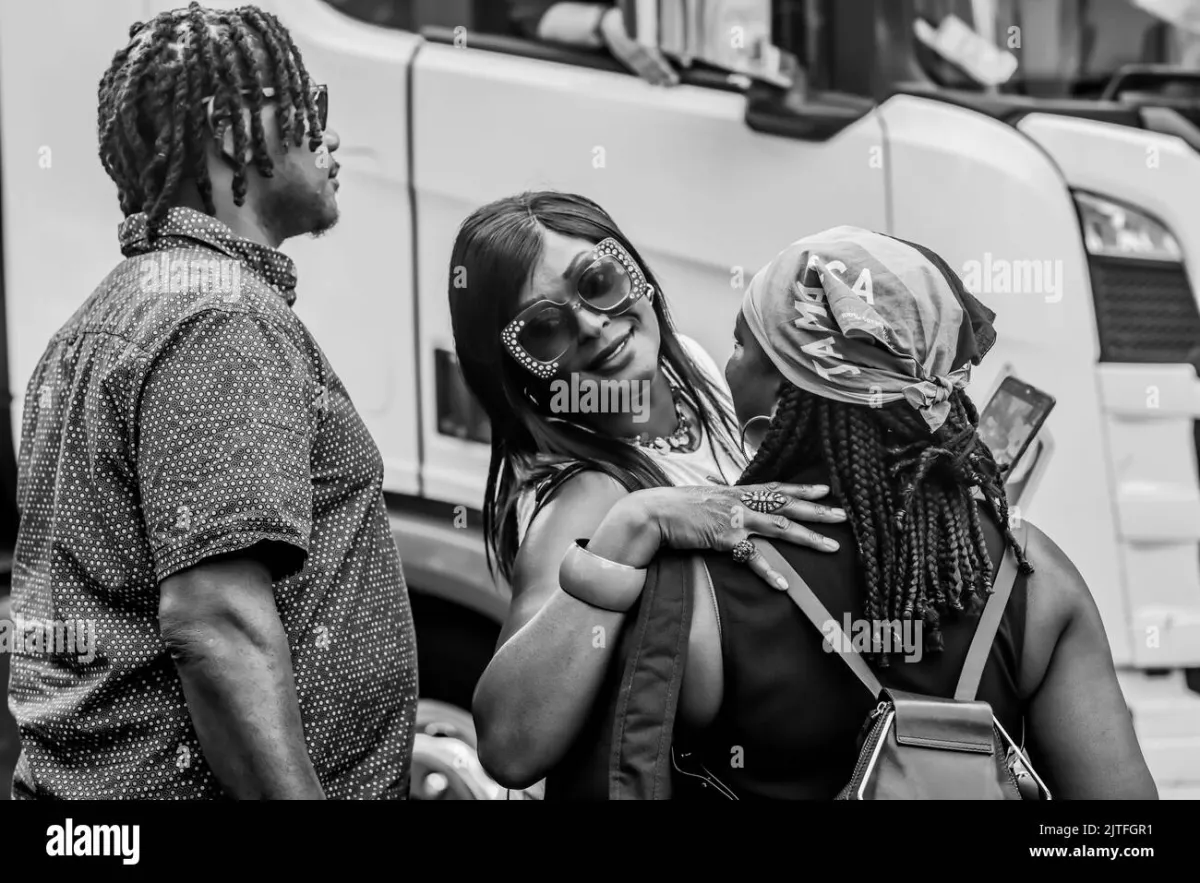 Photo: Notting Hill, via c8.alamy.com
What makes this particularly British is the locations chosen for these orchestrated encounters. While American celebrities might stage their candids outside Whole Foods in Malibu, British stars prefer the gastropubs of Primrose Hill, the boutiques of Marylebone, or the farmers' markets of Borough. It's aspirational, but accessibly so – the kind of lifestyle that feels achievable if you just work a bit harder and move to Zone 2.
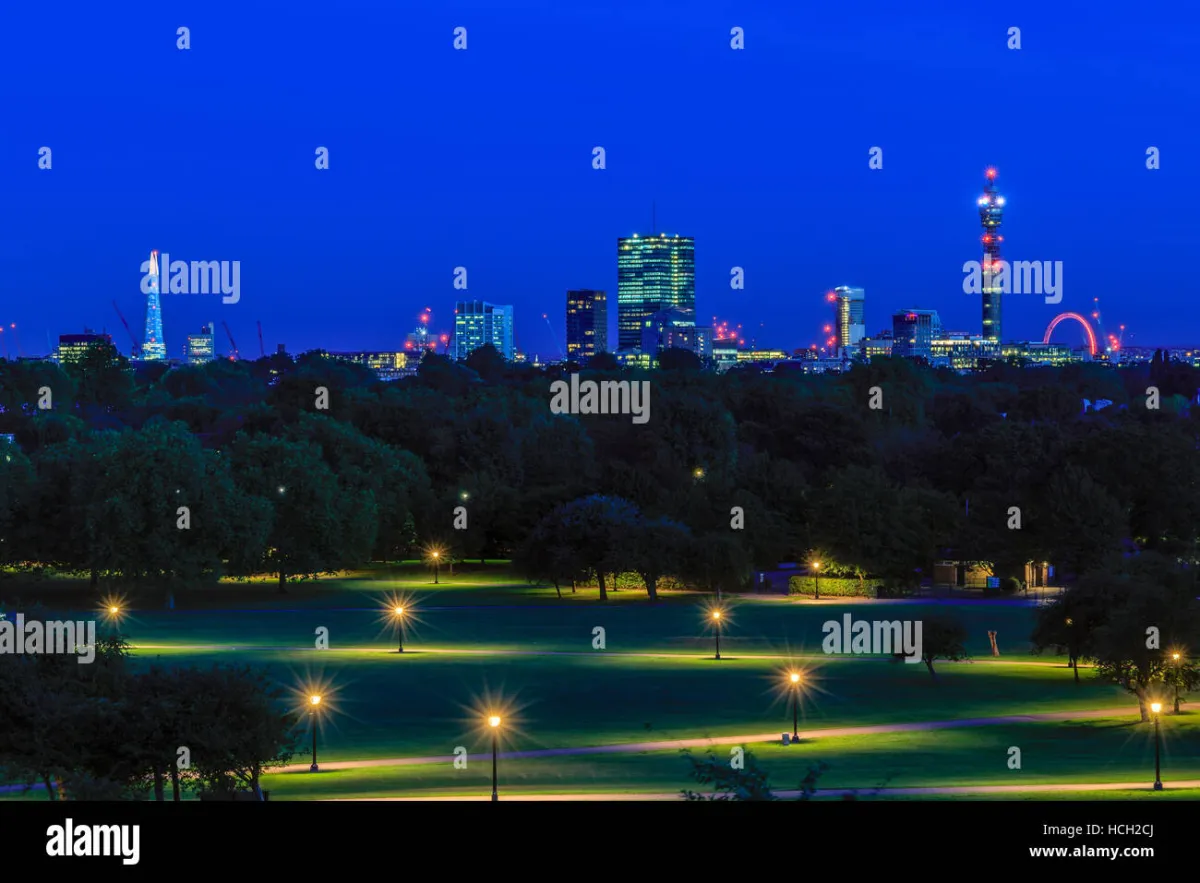 Photo: Primrose Hill, via c8.alamy.com
The Economics of Fake Candid
The financial incentives behind this new model are staggering. A single "paparazzi" shot of a celebrity wearing a particular outfit can be worth thousands in affiliate marketing revenue. When Rita Ora gets "caught" by photographers wearing a £30 ASOS dress, the resulting coverage can crash the retailer's website within hours.
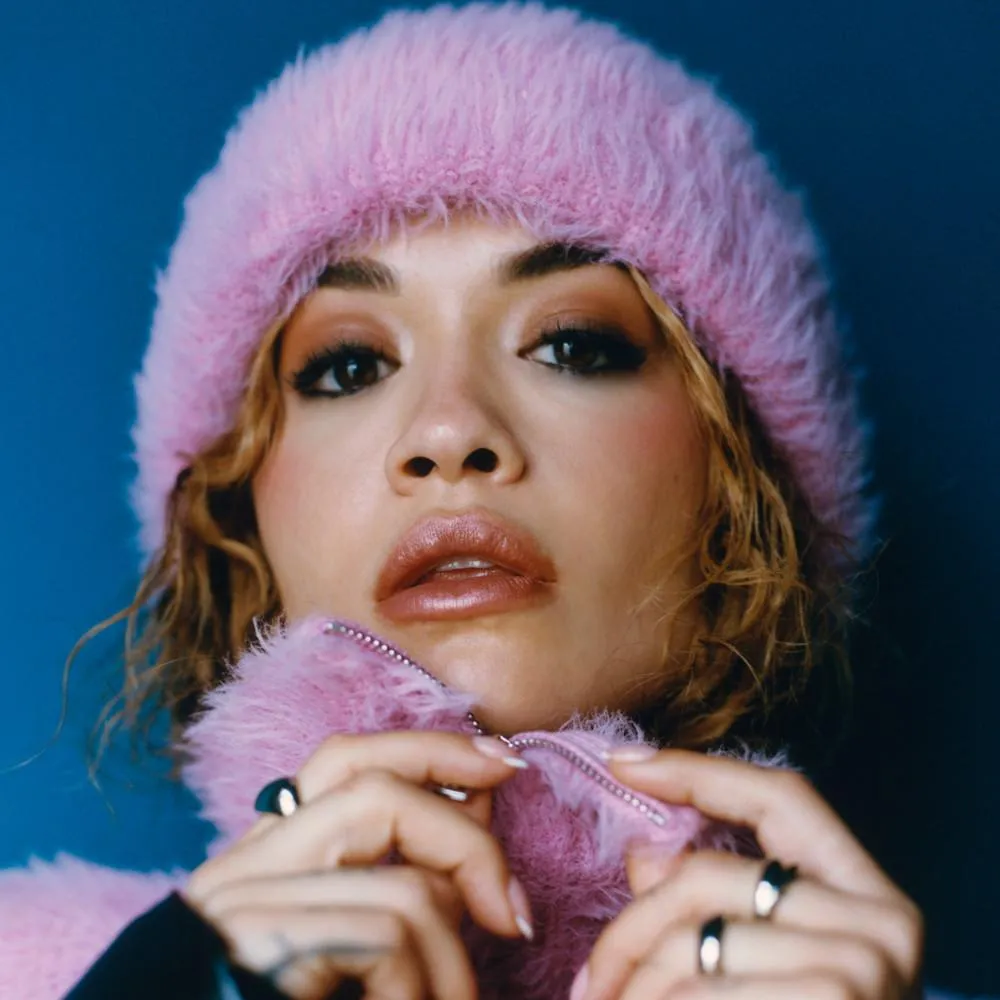 Photo: Rita Ora, via primedia.primark.com
This has created an entirely new economy where celebrities, photographers, stylists, and brands all benefit from what appears to be unauthorised photography. The celebrity gets flattering, widely-distributed images. The photographer gets paid both by the celebrity's team and by the publications that buy the shots. The publications get content that drives engagement. And the brands featured in the images get massive exposure that would cost millions in traditional advertising.
It's particularly clever because it maintains the illusion of authenticity that traditional advertising can't achieve. When people see a celebrity in a magazine ad, they know it's paid promotion. But when they see that same celebrity "caught" wearing something while living their normal life, it feels like a genuine endorsement.
The Instagram Integration Strategy
The real genius of modern celebrity photography lies in its integration with social media strategy. These "candid" shots don't just appear in magazines anymore – they form part of a coordinated content campaign across multiple platforms.
Here's how it typically works: Celebrity gets "papped" wearing a stunning outfit while out for lunch. The images appear in the tabloids and online publications within hours. Simultaneously, the celebrity posts their own "behind the scenes" content on Instagram Stories – maybe a mirror selfie in the same outfit, or a shot of their avocado toast from the lunch. Their official Instagram account then features a more polished version of the look later that day.
The result is saturation coverage that feels organic and authentic while being anything but. Followers get multiple touchpoints with the same content, each reinforcing the others and creating a sense of intimacy with the celebrity's "real" life.
The British Twist
What makes the British approach to this phenomenon particularly interesting is its relationship with our unique celebrity culture. Unlike America, where celebrity is often treated as a form of royalty, British fame has always had a more democratic, "they're just like us" quality.
This cultural context makes collaborative paparazzi photography particularly effective in the UK market. British audiences want to believe that their favourite celebrities shop at the same places, eat at the same restaurants, and face the same daily challenges as everyone else. Staged candid photography feeds directly into this desire while maintaining the illusion of accessibility.
British celebrities have also proven particularly adept at using this photography style to manage their public image during difficult periods. A well-timed "candid" shot of looking happy and healthy can counteract weeks of negative tabloid coverage without seeming like obvious damage control.
The Technology Revolution
The technical quality of modern celebrity photography has improved dramatically, partly because photographers now have time to set up properly rather than scrambling for quick shots. When everyone's in on the plan, you can use better equipment, choose optimal lighting, and even take multiple shots until everyone's happy with the result.
Social media has also changed the distribution model entirely. Photos that once took hours or days to reach the public now appear online within minutes, creating an immediacy that drives engagement and makes the content feel more authentic.
The Future of Celebrity Photography
As we look ahead, it's clear that the line between paparazzi photography and brand content will continue to blur. We're already seeing the emergence of "lifestyle photographers" who specialise in creating candid-looking content for celebrities and influencers.
The next evolution might be real-time collaboration, where photographers stream "candid" moments live to celebrities' social media accounts, creating an even more immediate sense of authenticity.
What's certain is that the old model of adversarial celebrity photography is dead and buried. In its place, we have a collaborative industry that serves the interests of everyone involved – except, perhaps, the audiences who still believe they're seeing genuine spontaneous moments.
But honestly? Given how much more flattering and engaging the content is now, maybe that's not such a bad trade-off. At least when celebrities look miserable in photos these days, it's because they chose to.