British Birds Taking Flight: Why Hollywood's Streaming Giants Are Throwing Cash at Women With Laptops and Daddy Issues
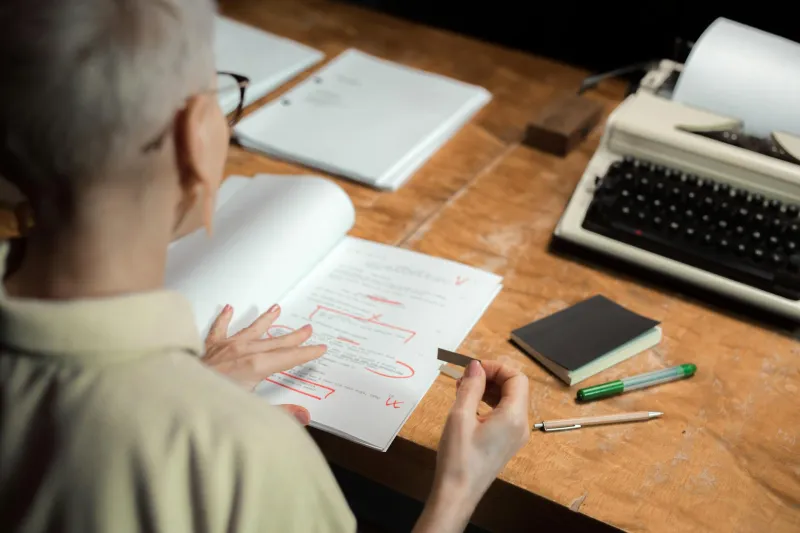
The Laptop Liberation Army
Remember when British television meant cosy murder mysteries and people arguing about whether it's dinner or tea? Those days are deader than a character in a Phoebe Waller-Bridge script. Somewhere between the rise of iPlayer and Netflix's global domination, a quiet revolution has been brewing in Britain's creative circles – and it's being led by women with MacBooks, complicated feelings about their fathers, and an alarming ability to make trauma absolutely hilarious.
The statistics are staggering: British female writers now command some of the highest fees in streaming television, with deals regularly hitting eight figures. Phoebe Waller-Bridge's overall deal with Amazon reportedly topped £20 million, whilst Michaela Coel turned down a million-pound Netflix offer for I May Destroy You because they wouldn't give her full creative control. These aren't just success stories; they're power moves that have fundamentally shifted how the industry operates.
From Fringe Theatre to Streaming Supremacy
The pipeline that creates these powerhouse writers is uniquely British – and it's not what you'd expect. Unlike their American counterparts who often climb through traditional writers' rooms, British women are emerging from a scrappier ecosystem of fringe theatre, Edinburgh Festival one-woman shows, and Channel 4's willingness to commission literally anything if it's weird enough.
Take Waller-Bridge's journey: from performing Fleabag as a one-woman show above a pub to becoming the most sought-after voice in television. Or consider how Coel went from starring in E4's Chewing Gum (a show about a sexually frustrated young woman from a religious family) to creating I May Destroy You, a nuanced exploration of consent that had critics reaching for their thesauruses.
The secret sauce isn't just talent – it's the British approach to storytelling that treats dysfunction as comedy and trauma as character development. Where American television often demands clear heroes and villains, British writers excel at creating protagonists who are simultaneously sympathetic and absolutely awful.
The Streaming Gold Rush
American studios have cottoned on to something British audiences have known for years: our women writers don't just create content, they create conversations. When Fleabag's second series aired, it didn't just trend on social media – it became a cultural phenomenon that had everyone from your mum to Barack Obama singing its praises.
This cultural impact translates directly into subscriber numbers and global reach. Netflix's data shows that British-created content consistently outperforms expectations in international markets, particularly when helmed by female creators who bring that distinctly British blend of self-deprecation and emotional honesty.
The streaming giants are now actively courting British talent with deals that would make a Premier League footballer blush. Amazon's pursuit of Waller-Bridge reportedly included a clause allowing her to develop projects for other platforms – unprecedented flexibility that shows just how desperate they are to keep British voices in their stable.
The Brain Drain Dilemma
But here's where things get complicated for British television. As these writers achieve global success, they're increasingly pulled towards American productions with bigger budgets and wider reach. Waller-Bridge's post-Fleabag projects have been largely US-focused, whilst other rising stars are being snapped up before they've even finished their breakthrough British series.
Channel 4's commissioning editor recently admitted they're struggling to compete with streaming budgets, particularly when it comes to retaining talent who've proven their worth. The BBC, meanwhile, is caught between wanting to nurture new voices and knowing they'll likely lose them to higher bidders once they break through.
The Next Generation
Despite the exodus, the pipeline keeps producing. Names like Daisy Haggard (Back to Life), Aisling Bea (This Way Up), and Rose Matafeo (Starstruck) represent the next wave of British women turning personal neuroses into streaming gold. Each brings that essential British quality: the ability to find humour in the most uncomfortable situations whilst never letting their characters off the hook.
The question isn't whether British women will continue to dominate streaming – it's whether British television can evolve quickly enough to keep them home. Because whilst it's brilliant seeing British talent conquer Hollywood, there's something rather depressing about our best storytellers having to cross an ocean to get the budgets their stories deserve.
The Future of British Brilliance
As streaming services continue their arms race for content, British women writers find themselves in an unprecedented position of power. They're not just creating shows; they're defining the tone and style of an entire generation of television. The question now is whether British broadcasters will step up their game or continue watching their best talent disappear into the streaming ether, armed with nothing but a laptop and an inexplicable ability to make emotional devastation absolutely hilarious.