Death by Algorithm: The British TV Shows That Deserved Better Than Their Digital Executioners
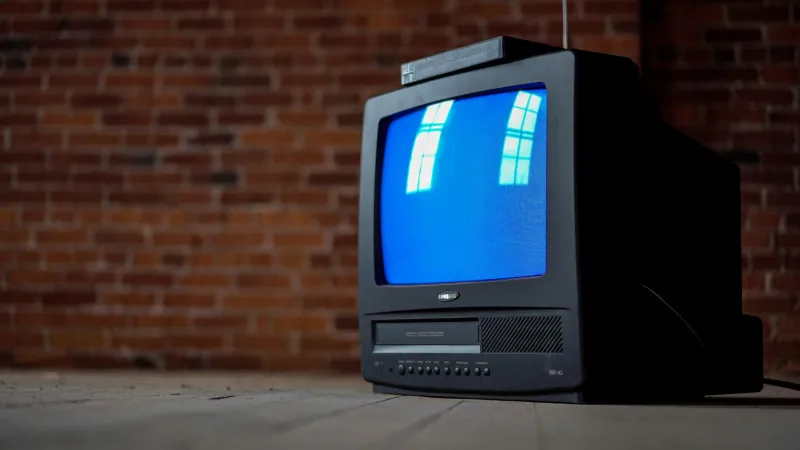
The Great British Telly Massacre
Britain makes some of the world's finest television, so why does it feel like we're constantly attending funerals for shows that barely got to blow out their first birthday candles? From Netflix's ruthless algorithmic guillotine to the BBC's penny-pinching panic attacks, our beloved series are being slaughtered faster than you can say "second series renewal."
The streaming revolution promised creative freedom and endless possibilities. Instead, we got a digital meat grinder that chews up brilliant British content and spits out viewer data.
Netflix: The Grim Reaper in Silicon Valley Clothing
Let's start with the biggest villain in this tragic tale: Netflix. The streaming giant has turned cancellation into an art form, wielding completion rates and engagement metrics like medieval torture devices. Remember "The Dark Crystal: Age of Resistance"? Course you don't – Netflix buried it faster than a dodgy planning application.
The platform's obsession with global appeal has been particularly brutal for distinctly British content. Shows that capture our peculiar sense of humour or tackle uniquely UK social issues get the chop because they don't translate well to audiences in Ohio or Mumbai. It's cultural imperialism dressed up as business strategy.
Take "Glow Up," which Netflix unceremoniously dumped despite its passionate fanbase and critical acclaim. The makeup competition series was quintessentially British – supportive, inclusive, and refreshingly free from American-style manufactured drama. But apparently, that wasn't enough for the algorithm overlords.
The BBC's Budgetary Bloodbath
While Netflix kills with cold, calculated data, the BBC prefers death by a thousand budget cuts. The corporation's commissioners have developed an almost supernatural ability to axe shows just as they're finding their feet, usually citing "difficult economic circumstances" – BBC speak for "we spent all our money on another period drama nobody asked for."
"Detectorists" survived purely through sheer bloody-mindedness and Mackenzie Crook's refusal to let his creation die. Meanwhile, countless other gems have been sacrificed on the altar of austerity. The pattern is depressingly familiar: commission a brilliant show, give it minimal promotion, express surprise when viewing figures don't immediately rival "EastEnders," then quietly strangle it in its sleep.
ITV's Identity Crisis Casualties
ITV deserves special mention for its talent at commissioning genuinely innovative content, then panicking and pulling the plug the moment it doesn't fit their traditional mould. The channel's executives seem constitutionally incapable of letting anything weird or wonderful breathe long enough to find its audience.
Their treatment of comedy has been particularly tragic. Shows that dared to be different or challenged conventional formats have been systematically eliminated, leaving us with an endless parade of panel shows and celebrity reality nonsense.
The Amazon Effect: Money Can't Buy You Love (Or Series Renewals)
Amazon Prime Video entered the British market promising to be different, throwing money around like a drunk oligarch at a charity auction. Initially, this looked promising – bigger budgets, creative freedom, and the backing of Jeff Bezos's seemingly infinite wallet.
But Amazon's approach to British content has proven just as ruthless as their competitors, albeit with better catering. Their cancellation decisions often seem to follow the logic of a particularly vindictive AI: shows either become global phenomena or get quietly disappeared, with no middle ground for modest success or cult followings.
The Streaming Wars' Collateral Damage
The real tragedy is that the streaming wars have created an environment where taking creative risks is actively punished. Commissioners are so terrified of backing a "failure" that they'd rather greenlight the 47th police procedural than give a genuinely original concept the time to develop.
This risk-averse culture is particularly damaging to British television, which has always thrived on eccentricity and willingness to try something different. We're the country that gave the world "Monty Python" and "The Office" – shows that would probably be cancelled after three episodes in today's data-driven landscape.
The Human Cost of Digital Decisions
Behind every cancelled show are writers, actors, and crew members whose careers have been derailed by algorithmic indifference. Promising talent gets scattered to the winds, creative partnerships are broken up, and innovative ideas are abandoned halfway through their development.
The streaming platforms treat content like widgets in a factory, but television is art, and art takes time to mature. Some of our greatest shows – from "The Office" to "Peep Show" – would never have survived in today's instant-gratification environment.
Fighting Back Against the Digital Overlords
There are signs of resistance. Smaller platforms and production companies are beginning to prioritise creative vision over pure metrics, and some shows have been rescued by fan campaigns and social media pressure.
But we need systemic change. Streaming platforms must be held accountable for their cultural impact, not just their profit margins. British television is too precious to be sacrificed on the altar of algorithmic efficiency.
The graveyard is full, but it's not too late to stop the massacre. We just need to remember that behind every data point is a story worth telling – and some stories deserve more than one season to unfold.