The Great British Vowel Shift: How Fame Is Flattening Our Favourite Influencers' Accents
From Geordie to Generic: The Algorithm's Accent Police
There's a curious alchemy happening in British social media, and it's got nothing to do with ring lights or trending hashtags. Somewhere between 50,000 and 100,000 followers, our homegrown influencers are experiencing what can only be described as a vocal metamorphosis. That delightful Scouse lilt? Mysteriously muted. The broad Yorkshire vowels that made them so endearing? Suddenly smoothed into something that wouldn't sound out of place reading the Six O'Clock News.
Take Jamie from Manchester, whose TikTok account documenting his nan's cooking tips exploded during lockdown. Early videos showcase a proper Manc accent thick enough to spread on toast. Fast-forward eighteen months and 150K followers later, and our Jamie sounds like he's been taking elocution lessons from Jacob Rees-Mogg's speech therapist. The transformation is so stark that long-time followers have started commenting with crying-laughing emojis and phrases like "who are you and what have you done with our Jamie?"
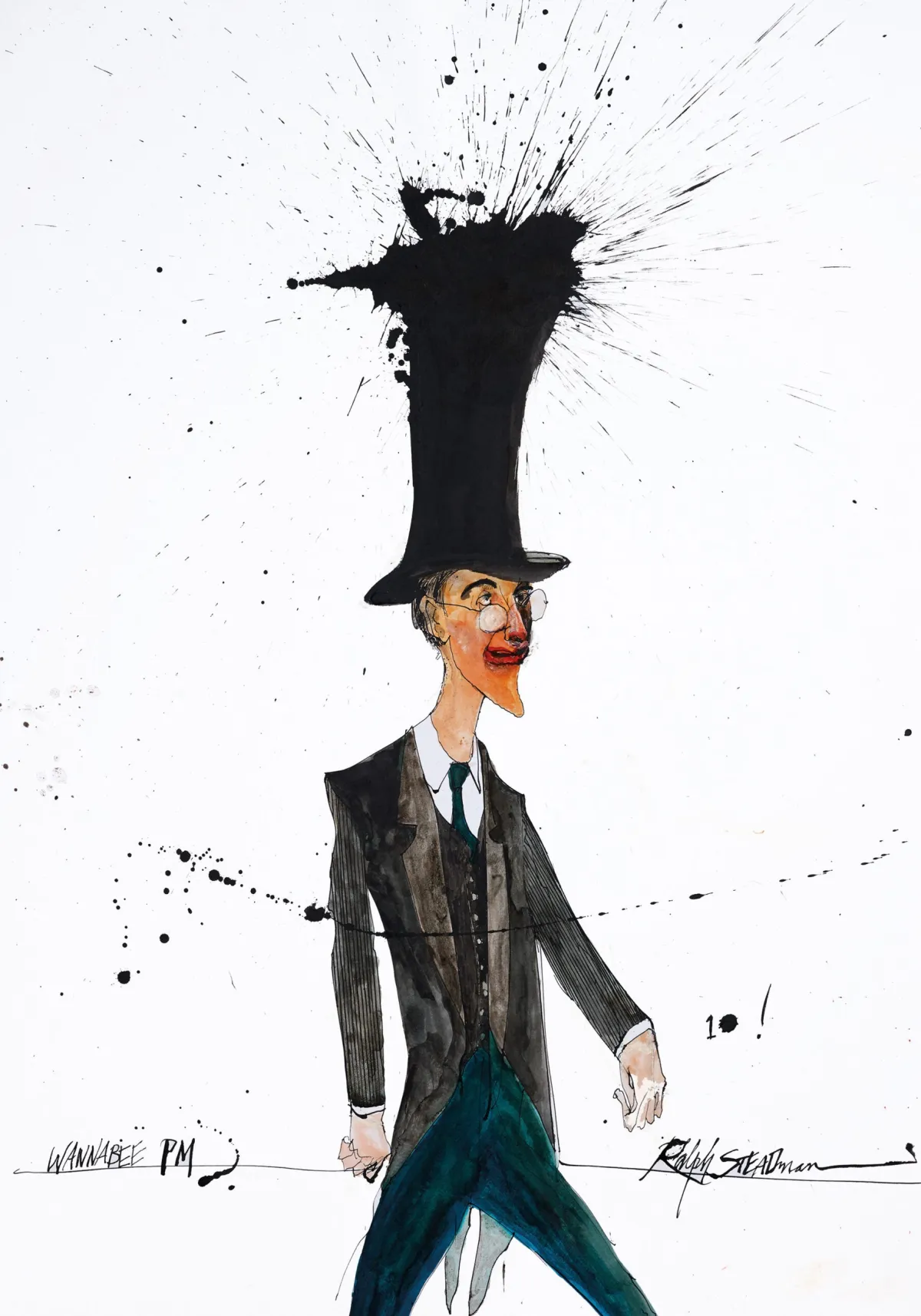 Photo: Jacob Rees-Mogg, via www.newstatesman.com
The Six-Figure Syndrome
According to voice coach Miranda Harrington, who's worked with everyone from reality TV stars to YouTube creators, the pattern is unmistakable. "I call it the 100K phenomenon," she explains. "The moment these creators start seeing serious commercial opportunities, they unconsciously begin neutralising their accents. It's not always deliberate – sometimes they don't even realise they're doing it."
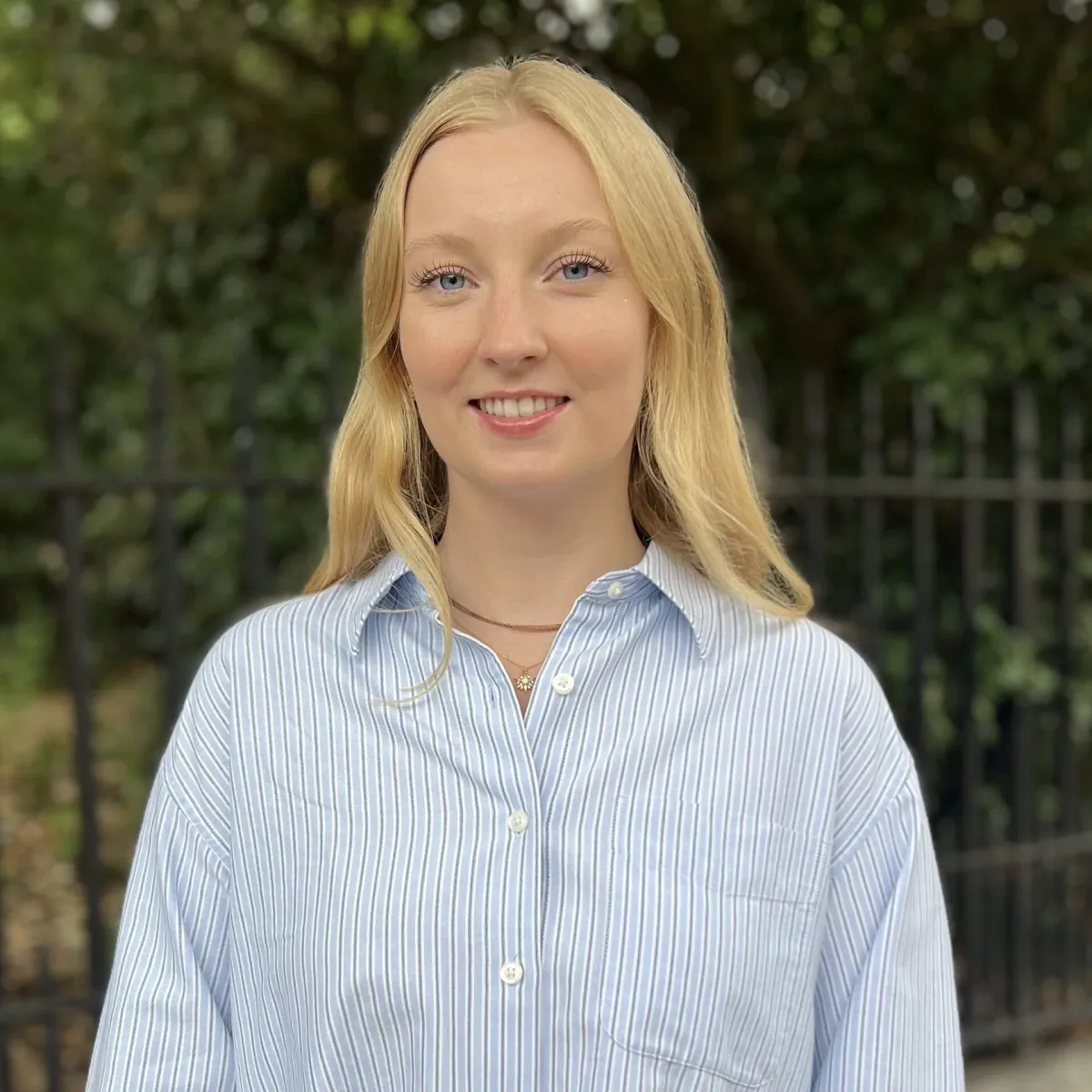 Photo: Miranda Harrington, via www.coverdalebarclay.com
The evidence is everywhere once you start looking. Liverpool's former queen of lifestyle content, whose early videos were peppered with "sound" and "made up," now delivers her sponsored skincare routines in clipped, careful tones that could have been recorded in a Cotswolds cottage. A Birmingham-based fitness influencer who once proudly proclaimed "I'm from Brum, me!" in every video now sounds like she graduated from a home counties finishing school.
The Algorithm's Class System
But here's where it gets properly sinister. Industry insiders suggest that regional accents might actually be penalised by social media algorithms, particularly when it comes to brand partnerships. "Clients often specify they want 'clear, professional' voices," admits one talent management company executive, speaking anonymously. "What they really mean is 'not too northern, not too working class.'"
The data seems to back this up. A recent analysis of sponsored content across major platforms revealed that creators with Received Pronunciation or neutral accents were 40% more likely to secure high-value brand deals than those with strong regional accents. The message is clear: if you want to make proper money from your online presence, you'd better start sounding like you belong in Surrey.
The Authenticity Paradox
The irony is delicious, if depressing. These creators built their followings precisely because they felt authentic, relatable, and refreshingly different from the polished perfection of traditional media. Their regional accents were part of their charm, their unique selling point in an increasingly homogenised digital landscape.
Yet the moment success beckons, that very authenticity becomes a liability. "It's heartbreaking, really," says cultural commentator Dr. Sarah Phillips. "These young people are essentially being told that their natural way of speaking isn't good enough for commercial success. They're having to code-switch their way to the top, abandoning the very thing that made them special in the first place."
 Photo: Dr. Sarah Phillips, via static.wixstatic.com
The Coaching Industrial Complex
Where there's insecurity, there's always someone ready to monetise it. The past two years have seen an explosion in "media voice coaching" services, promising to help content creators "optimise their vocal presence for maximum engagement." These aren't traditional speech therapy sessions – they're accent modification courses designed specifically for the digital age.
"We help creators find their most marketable voice," explains one such coach, whose client list reads like a who's who of British TikTok. "It's not about losing your identity – it's about making sure your accent doesn't hold back your career."
The phrase "marketable voice" should chill anyone who cares about linguistic diversity. We're witnessing the commodification of speech itself, where regional accents are treated as rough edges to be smoothed away in pursuit of algorithmic approval.
Fighting Back: The Accent Rebels
Not everyone is playing along with this vocal gentrification. A growing number of creators are doubling down on their regional accents, wearing them as badges of honour in defiance of commercial pressure. Glasgow's comedy queen refuses brand deals that come with "vocal guidelines," while a group of Yorkshire influencers have formed an informal alliance, promoting each other's content and explicitly celebrating their shared linguistic heritage.
"My accent is part of who I am," declares one rebel. "If brands don't like it, they can jog on. There are plenty of people who do appreciate authenticity."
The Future of British Voices Online
As we scroll through our feeds, listening to increasingly homogenised voices selling us everything from protein powder to investment apps, we have to ask: what are we losing in this great flattening? Britain's regional accents carry centuries of history, culture, and identity. They tell stories of place, community, and belonging that can't be replicated by any amount of elocution coaching.
The accent upgrade phenomenon reveals something uncomfortable about our relationship with class, success, and authenticity in the digital age. It suggests that despite all our talk of diversity and inclusion, we're still operating under the assumption that sounding "posh" equals sounding professional.
Perhaps it's time for brands, platforms, and audiences to embrace the beautiful chaos of British voices in all their glory. After all, in a world of increasingly artificial intelligence, shouldn't we be celebrating what makes us genuinely, authentically human?