Liquid Assets: The Great British Celebrity Booze Rush That Nobody's Actually Drinking
The Hangover That Keeps on Giving
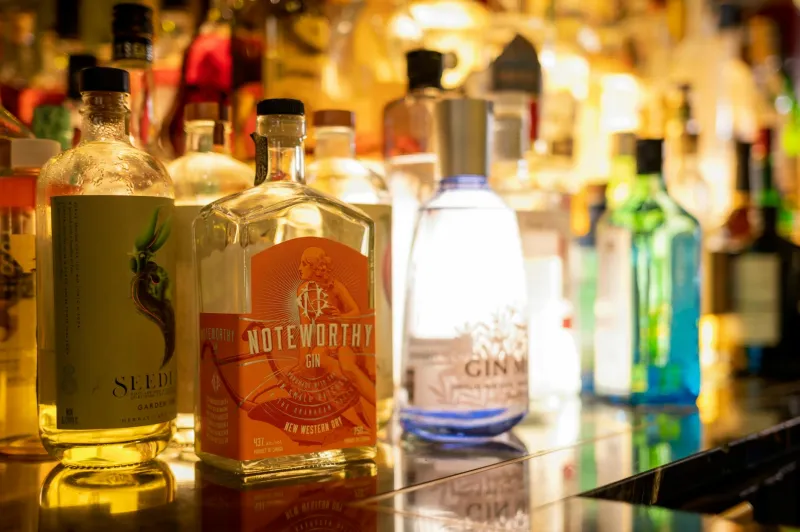
Walk into any Tesco and you'll spot them lurking between the real brands: bottles adorned with the grinning faces of reality TV stars, former footballers, and influencers whose primary qualification for distilling spirits appears to be having more than 100k Instagram followers. Britain's celebrity alcohol rush has reached fever pitch, and frankly, nobody asked for any of it.
The numbers are staggering. In the past three years alone, over 200 British celebrities have launched their own alcohol brands, from premium gins that cost more than most people's weekly shop to proseccos that taste suspiciously similar to the stuff you can buy for a fiver at Lidl. The question isn't whether these ventures will succeed – it's whether anyone actually wants them to.
From Reality TV to Reality Check
The template is depressingly familiar. Celebrity gets famous (or vaguely recognisable), celebrity spots gap in drinks market (spoiler: there isn't one), celebrity partners with existing distillery, slaps their name on a bottle, and voilà – instant entrepreneur. The marketing writes itself: "I've always been passionate about creating the perfect gin," they'll claim, conveniently forgetting they were selling teeth whitening kits on Instagram just six months ago.
Take the explosion of Love Island alumni turned drinks moguls. Within eighteen months of leaving the villa, half the cast seems to have discovered an inexplicable passion for artisanal spirits. Tommy Fury's got his whiskey, various Islanders have launched prosecco lines, and don't get us started on the influencer gin epidemic that's swept through reality TV like a particularly bougie plague.
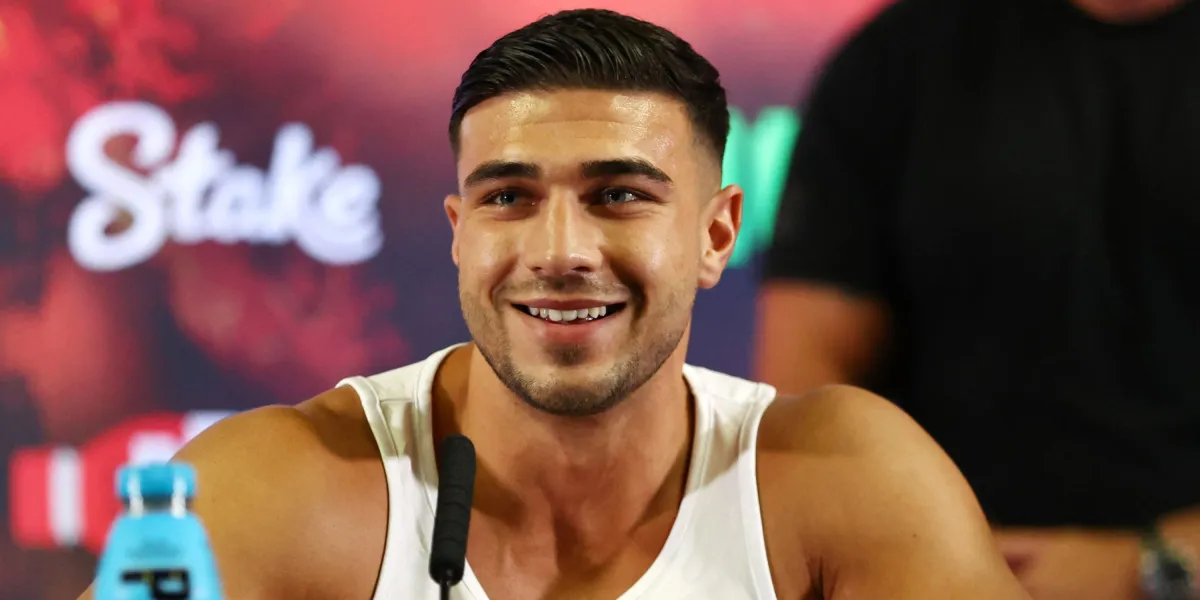 Photo: Tommy Fury, via static0.givemesportimages.com
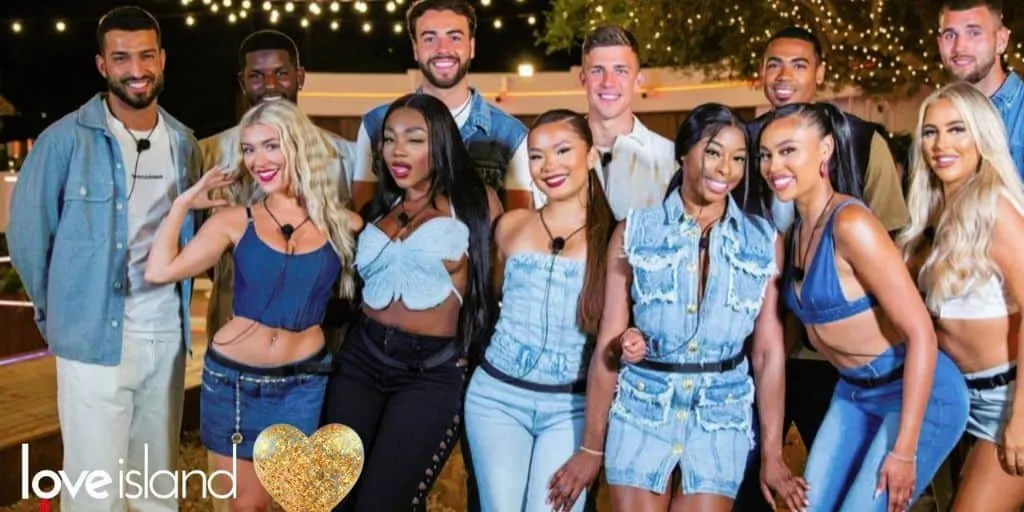 Photo: Love Island, via otakukart.com
"The celebrity booze thing has become the new cookbook," observes one industry insider who's worked with multiple celebrity launches. "Everyone thinks they can do it, everyone thinks theirs will be different, and most of them haven't actually tasted their own product more than twice."
The Man Behind the Curtain
Here's the dirty secret the marketing departments don't want you to know: most celebrity alcohol brands are essentially rebottled versions of existing products with fancy labels and inflated price tags. The 'small batch' gin that your favourite reality star 'personally crafted'? It's probably produced in the same facility that makes supermarket own-brand spirits, just with added celebrity markup.
The process is surprisingly standardised. Celebrity approaches drinks company with social media following and vague business plan. Drinks company provides existing recipe, maybe tweaks it slightly, handles production, distribution, and most of the actual work. Celebrity provides name, image, and social media promotion. Profits are split, egos are massaged, and consumers pay premium prices for what's essentially a marketing exercise.
"The celebrities rarely understand the business they're entering," explains a drinks industry veteran. "They see the margins on premium spirits and think it's easy money. What they don't realise is that building a genuine drinks brand takes decades, not Instagram posts."
The Taste Test Nobody Talks About
We decided to conduct our own highly scientific (read: completely biased) taste test of celebrity booze brands currently cluttering British shelves. The results were... enlightening.
Most celebrity gins taste exactly like you'd expect: perfectly adequate, indistinguishable from dozens of other contemporary gins, with botanicals chosen more for their Instagram-friendly backstory than their actual flavour contribution. The proseccos range from 'drinkable but forgettable' to 'why would you do this to grapes?'
The premium whiskies and rums fare slightly better, mainly because they're harder to completely mess up when you're essentially buying aged stock from established distilleries and rebottling it. But even here, the pricing rarely reflects the quality – you're paying celebrity tax on every sip.
The Economics of Ego
The financial model behind celebrity alcohol brands is fascinatingly cynical. Most operate on the principle that a small percentage of the celebrity's fanbase will buy the product once, possibly twice, generating enough revenue to justify the investment. Repeat customers and brand loyalty are nice bonuses, but not essential for profitability.
This explains why so many celebrity alcohol brands follow the same trajectory: massive launch with social media blitz, initial sales spike driven by curiosity and fan loyalty, gradual decline as novelty wears off, eventual quiet withdrawal from most retail outlets. The celebrity moves on to their next venture (usually skincare or activewear), and the drinks company looks for the next famous face to slap on a bottle.
The Authenticity Question
Perhaps the most galling aspect of the celebrity booze rush is the relentless claims of authenticity. Every launch comes with a heartwarming backstory about the celebrity's 'journey' into spirits, their 'passion' for the craft, their desire to 'share something special' with their fans.
The reality is more prosaic: celebrities have realised that alcohol brands offer higher margins and longer shelf lives than most other merchandise opportunities. You can't sell the same t-shirt design for five years, but you can absolutely keep flogging the same gin recipe with minor seasonal variations.
"The authenticity thing is completely manufactured," admits one marketing executive who's worked on multiple celebrity alcohol launches. "We literally have templates for the backstory depending on whether they want to position it as luxury, accessible premium, or 'craft' heritage. The celebrity just fills in the blanks."
The Hangover Effect
The most depressing aspect of Britain's celebrity alcohol epidemic isn't the cynical marketing or inflated pricing – it's what it represents about our relationship with fame. We've created a culture where celebrity endorsement carries more weight than actual expertise, where Instagram followers matter more than understanding fermentation, where personal branding trumps product quality.
The success of these ventures (however temporary) suggests we're more interested in drinking what celebrities drink than drinking something that actually tastes good. It's aspirational consumption at its most literal – we're literally trying to taste fame.
The Inevitable Crash
Like all gold rushes, the celebrity alcohol boom will eventually end. The market can only support so many indistinguishable gin brands with reality TV faces on the bottles. Consumer fatigue is already setting in, with even dedicated fans beginning to question whether their favourite influencer really needs to launch both a prosecco and a vodka line in the same calendar year.
The survivors will likely be the brands that actually invested in quality and built genuine customer bases beyond initial celebrity curiosity. The rest will join the growing graveyard of vanity projects gathering dust in warehouse clearance sales.
Until then, we'll continue to navigate supermarket aisles increasingly crowded with the liquid dreams of people who've confused fame with expertise. Cheers to that, we suppose.