Scandal Surgeons: The Underground Network Repairing Britain's Most Toxic Celebrities

The Midnight Phone Calls
It's 3 AM when the phone rings in a Kensington townhouse, and Britain's most expensive reputation surgeon knows exactly what that means. Another celebrity has spectacularly imploded across the front pages, and somewhere in London, a publicist is about to earn their mortgage payment.
"The first call always comes from their agent, never the celebrity themselves," explains Sarah (not her real name), a crisis management specialist who's spent fifteen years cleaning up the entertainment industry's messiest disasters. "They're usually crying, sometimes drunk, and they always start with the same words: 'Can you fix this?'"
Welcome to Britain's most secretive industry: celebrity damage control, where reputation resurrection has become as refined as a Swiss watch and twice as expensive.
The 72-Hour Window
In the brutal arithmetic of modern scandal, every celebrity gets exactly three days to control their narrative before it controls them. This is where the crisis playbook kicks in – a battle-tested sequence of moves so predictable it could be choreographed by the Royal Ballet.
 Photo: Royal Ballet, via i.pinimg.com
"Hour one is damage assessment," reveals Marcus, a former tabloid editor turned crisis consultant. "We map every angle the press might take, every skeleton that might tumble out of every closet. Hour twelve is when we start the counter-offensive."
The playbook reads like a greatest hits of British celebrity rehabilitation: the strategic charity appearance (preferably involving children or animals), the exclusive magazine interview (tears mandatory, childhood trauma preferred), and the carefully timed return to social media with a message about 'learning and growing'.
The Charity Circuit Salvation
Nothing says 'reformed character' like a celebrity suddenly discovering a passionate interest in disadvantaged youth or endangered wildlife. The charity appearance has become so central to British scandal recovery that some organisations now operate unofficial waiting lists for celebrities seeking redemption.
"We had one reality TV star who'd never shown interest in anything beyond fake tan suddenly become passionate about literacy programmes," chuckles a charity sector insider. "Six months later, after the headlines died down, we never heard from them again. But the photos of them reading to schoolchildren are probably still on their Wikipedia page."
The beauty of the charity gambit lies in its bulletproof nature. Criticise a celebrity's sudden philanthropic awakening, and you're effectively attacking the charity itself – a PR checkmate that would make Garry Kasparov weep with admiration.
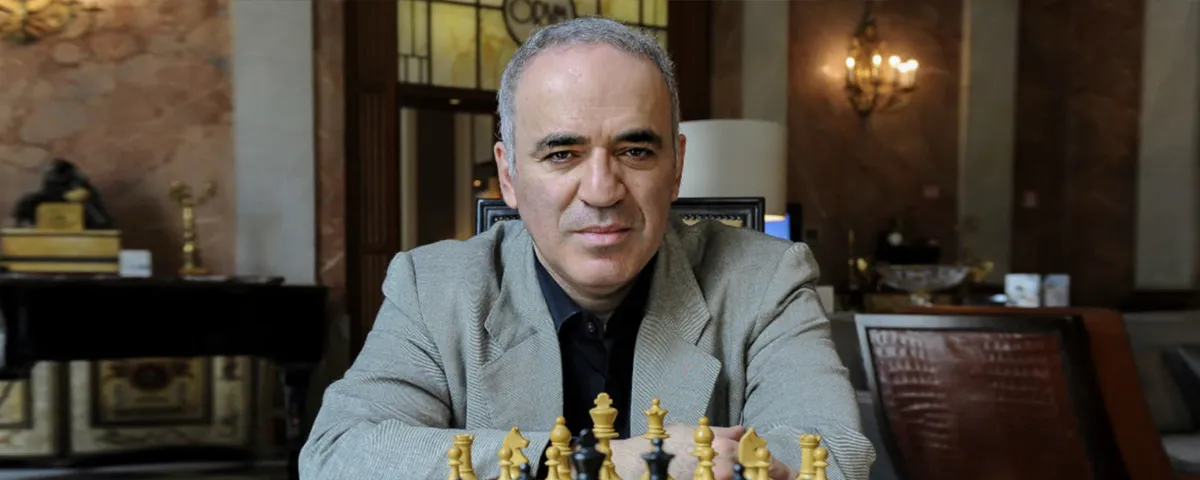 Photo: Garry Kasparov, via auroraprize.s3.us-east-2.amazonaws.com
The Magazine Confessional Complex
Britain's glossy magazines have become the unofficial rehabilitation centres for celebrities seeking absolution. The formula is so established it practically writes itself: childhood trauma explains bad behaviour, therapy provides hope, and a photoshoot in soft lighting suggests spiritual renewal.
"The interview has to hit specific beats," explains a features editor at a major women's magazine. "Acknowledgment of hurt caused, explanation without excuse-making, evidence of professional help being sought, and a commitment to doing better. Miss any of those elements, and the public won't buy it."
The magazines benefit from guaranteed sales and exclusive access, while celebrities get a controlled environment to tell their side of the story. It's a symbiotic relationship that's kept both industries profitable through decades of scandals.
The Social Media Silence Strategy
In an age where celebrities live and die by their Instagram engagement, strategic silence has become the most powerful tool in the crisis manager's arsenal. The immediate instinct might be to tweet an explanation or post a defensive video, but the professionals know better.
"Social media is where careers go to die," warns a crisis management veteran who's guided three separate reality TV stars through major scandals. "Every word you post can be screenshot, analysed, and weaponised. The first rule is: put down the phone and step away from Twitter."
The silence period allows time for the initial outrage to cool while the rehabilitation strategy is carefully constructed. When the celebrity finally returns to social platforms, it's with content that's been focus-grouped, legally vetted, and emotionally calibrated for maximum sympathy.
The Psychology of Public Forgiveness
What makes the British public forgive some celebrities while permanently cancelling others remains the holy grail of crisis management. The professionals have identified patterns: genuine remorse beats defiance, gradual rehabilitation trumps immediate comeback attempts, and timing matters more than almost anything else.
"The British public loves a redemption story, but only if it follows the proper narrative arc," observes a media psychologist who consults on celebrity crisis cases. "Fall from grace, period of reflection, evidence of change, cautious return. Skip any stage, and the whole thing falls apart."
The most successful rehabilitations often involve celebrities who disappear completely for months or even years, allowing the public to miss them before they attempt a comeback. It's a high-risk strategy that requires both patience and financial resources – luxuries not every scandal-hit celebrity possesses.
The Economics of Reputation Repair
The crisis management industry operates on fees that would make investment bankers blush. A full-scale reputation rehabilitation can cost anywhere from £50,000 to £500,000, depending on the severity of the scandal and the celebrity's earning potential.
"We're not just managing a crisis, we're protecting a commercial asset," explains one of London's most sought-after crisis consultants. "A major celebrity's brand might be worth millions in future earning potential. Our fees are insurance premiums on that investment."
The most expensive cases involve celebrities with ongoing commercial commitments – endorsement deals, TV contracts, or business ventures that hang in the balance. In these situations, successful crisis management isn't just about public perception; it's about preventing financial catastrophe.
The Future of Scandal Management
As social media makes scandals more immediate and intense, the crisis management industry continues evolving. New strategies involve influencer allies, targeted content campaigns, and sophisticated monitoring of online sentiment that would impress GCHQ.
"The game changes every year," admits a crisis consultant who's worked with everyone from reality TV stars to established actors. "What worked five years ago would be laughably outdated today. The only constant is that there will always be another scandal, and there will always be someone willing to pay to make it go away."
In the end, Britain's celebrity crisis management industry represents something uniquely British: the belief that everyone deserves a second chance, provided they can afford the right professional help and follow the redemption playbook to the letter. It's capitalism with a conscience, or at least the appearance of one.