The Secret Spies: How Britain's Plot-Leaking Underground Became the New Fleet Street
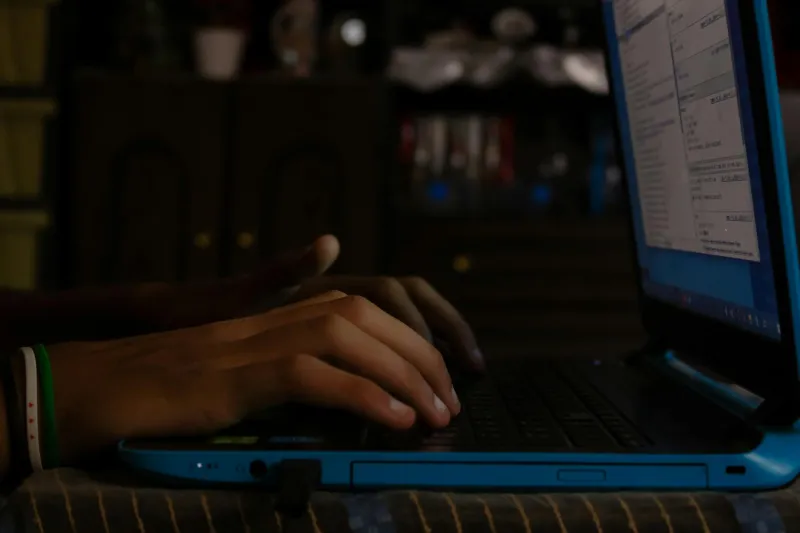
The New Paparazzi Don't Need Cameras
Forget hiding in bushes with telephoto lenses – Britain's modern media scavengers operate from bedroom offices, armed with nothing more than Twitter accounts and a network of loose-lipped insiders. The spoiler economy has exploded into a multi-million pound shadow industry that makes traditional tabloid scoops look positively quaint.
Take @EastEndersExclusive, a mysteriously well-informed Twitter account that's been dropping Walford bombshells with surgical precision for three years running. Their follower count? A staggering 847,000 people who religiously check their feed before switching on BBC One. When they revealed Dirty Den's grandson would be arriving six months before the BBC's official announcement, the tweet garnered more engagement than the actual episode.
 Photo: BBC One, via www.logotypes101.com
The Digital Gold Rush
What started as fan forums swapping theories has morphed into a sophisticated ecosystem of professional spoiler merchants. Reddit's r/UKSoaps has become a virtual trading floor where genuine insider information changes hands for everything from exclusive interviews to cold hard cash.
The numbers are eye-watering. Top-tier spoiler accounts command £500-£2,000 per exclusive reveal, with some Instagram 'leak' accounts pulling in six-figure annual revenues through sponsored posts and premium content subscriptions. One anonymous source – let's call them 'DeepThroat' – claims to earn more from their Coronation Street spoilers than most ITV scriptwriters take home.
The Arms Race Against Secrecy
Broadcasters have responded with increasingly paranoid security measures that would make the Pentagon jealous. EastEnders now films multiple versions of major storylines, with only executive producers knowing which will actually air. Love Island contestants sign NDAs thicker than their fake tan applications, complete with financial penalties that could bankrupt a small nation.
Coronation Street has gone full MI5, implementing a 'need-to-know' script distribution system where actors only receive their lines hours before filming. One insider revealed that even catering staff now sign confidentiality agreements – apparently, someone once leaked a major death storyline after overhearing conversations at the craft services table.
The Paradox of Spoiler Success
Here's the twist that's got media analysts scratching their heads: shows with the most spoilers often see ratings increase, not decrease. EastEnders' Christmas Day episodes consistently pull their highest viewing figures despite having their major plot points leaked weeks in advance.
Dr Sarah Mitchell, a media psychology professor at Manchester University, explains: "Spoilers create anticipation rather than satisfaction. Viewers aren't watching to find out what happens – they're watching to see how it happens. It's like knowing the football score but still wanting to watch the match highlights."
 Photo: Manchester University, via www.e-architect.co.uk
The Insider Trading Scandal
But the spoiler economy has a dark side that makes Wolf of Wall Street look like a Sunday school picnic. Last year, a production assistant at Emmerdale was caught selling major storyline information to betting syndicates, who were placing substantial wagers on character deaths and departures through offshore bookmakers.
The scandal exposed a sophisticated network where script leaks were being monetised through everything from cryptocurrency trading to merchandise pre-orders. When spoiler accounts started promoting 'RIP' t-shirts hours before character deaths aired, even the most naive viewers began questioning the authenticity of their 'exclusive' information.
The Future of Appointment Television
Rather than killing appointment TV, the spoiler economy might actually be saving it. In an age where Netflix drops entire seasons overnight, the slow-drip anticipation created by spoiler culture has become appointment television's secret weapon.
Young viewers who've never experienced the communal thrill of waiting a week between episodes are now experiencing that same anticipation through spoiler reveals. They're not just watching shows – they're participating in an elaborate guessing game that extends far beyond the broadcast slot.
The New Normal
Some forward-thinking shows have embraced the spoiler economy rather than fighting it. Love Island now strategically 'leaks' casting information through unofficial channels, creating buzz without appearing to break their own confidentiality protocols. It's a delicate dance between maintaining authenticity and feeding the beast that's become essential to their marketing strategy.
The spoiler merchants themselves have become minor celebrities, invited to industry events and courted by PR agencies who recognise their influence. What started as fan enthusiasm has evolved into a legitimate media sector with its own stars, scandals, and success stories.
As traditional media continues to fragment, Britain's spoiler economy proves that audiences still crave shared experiences – they just want to consume them on their own terms, one carefully timed leak at a time.