The Silence Sellers: How Reality TV's Legal Muzzles Are Gagging Britain's Biggest Stars
The Paper Prison
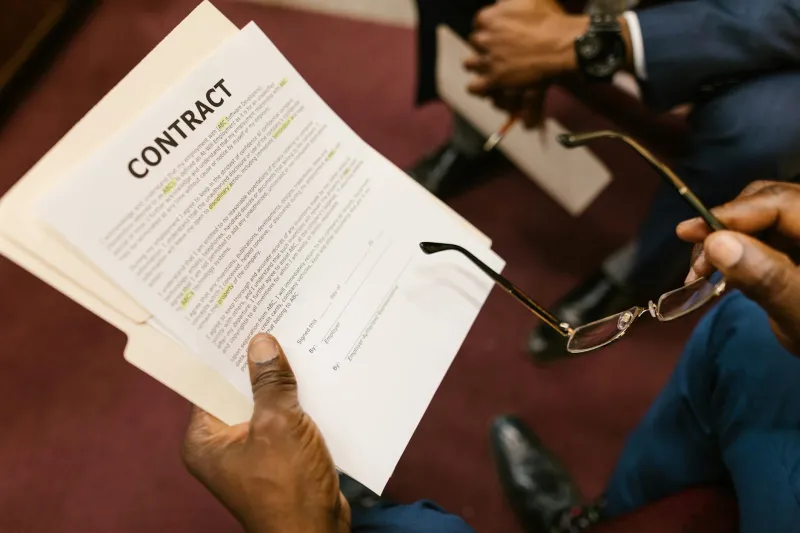
In the glossy world of British reality television, where ordinary people become overnight sensations and drama is currency, there's a darker side that viewers never see. It's written in dense legal language, buried in contracts thicker than a Love Island villa's fake tan application, and enforced with the ruthless efficiency of a Big Brother eviction vote. Welcome to the world of entertainment NDAs – the legal muzzles that are keeping Britain's reality stars from telling us what really happens when the cameras stop rolling.
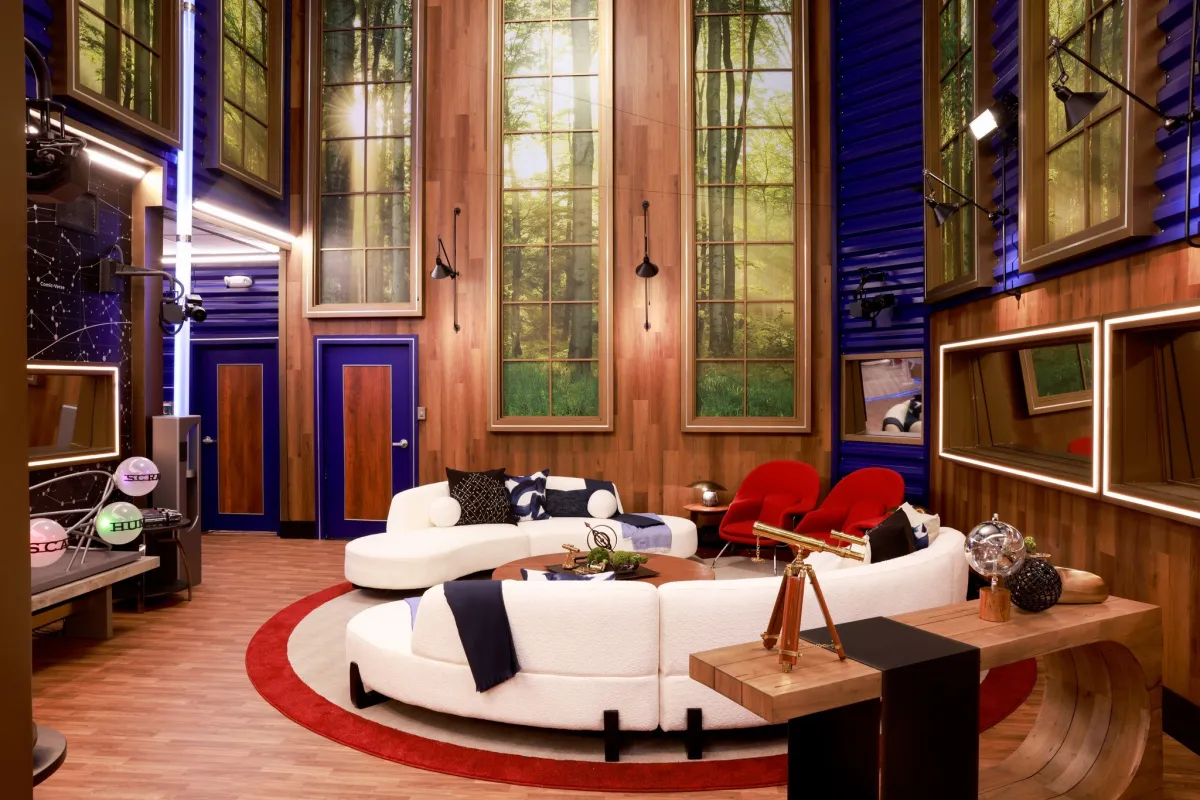 Photo: Big Brother, via bigbrothernetwork.com
 Photo: Love Island, via www.rtl.de
These aren't your garden-variety confidentiality agreements. We're talking about contracts so comprehensive they would make MI5 blush, documents that can transform a reality TV experience from the adventure of a lifetime into a legal minefield that contestants navigate for years after their fifteen minutes of fame have expired.
The Villa of Silence
Love Island might sell itself as the ultimate dating experience, but former contestants describe a different reality – one where every conversation, every relationship, and every emotional breakdown is meticulously managed by an army of producers wielding psychological expertise like a weapon. Yet thanks to increasingly aggressive NDAs, most of these stories remain untold.
"You think you're signing up for a summer of fun and maybe finding love," explains one former Islander, speaking on condition of anonymity. "What you're actually signing up for is a lifetime of legal obligations that extend far beyond anything you could imagine when you're sitting in that villa garden, desperate to get on telly."
The contracts reportedly cover everything from production techniques and behind-the-scenes manipulation to the mental health support (or lack thereof) provided to contestants. Former participants describe clauses that prevent them from discussing not just specific incidents, but entire categories of experience that might paint the show in an unflattering light.
The Traitors' Real Game
The Traitors, BBC's psychological warfare reality show set in a Scottish castle, has been praised for its innovative format and gripping gameplay. What viewers don't see, according to legal documents leaked to industry publications, are the extensive briefings contestants receive about manipulating their fellow participants for maximum dramatic effect.
 Photo: The Traitors, via static.wikia.nocookie.net
Sources close to the production describe detailed coaching sessions where contestants are taught specific psychological techniques designed to create television-friendly conflict. Yet the NDAs surrounding the show are so comprehensive that participants are reportedly forbidden from discussing not just these coaching sessions, but even acknowledging that they exist.
"The show presents itself as a pure game of deception and psychology," notes one media lawyer familiar with reality TV contracts. "But if contestants can't discuss the extent to which that psychology is being professionally guided and manipulated, are viewers getting an honest picture of what they're watching?"
Big Brother's Legal Omniscience
The return of Big Brother to British screens came with much fanfare about transparency and authentic human drama. Behind the scenes, however, the legal apparatus surrounding the show has evolved into something that would make the original Big Brother's surveillance state look positively liberal.
Contestants reportedly sign agreements that prevent them from discussing anything from the selection process and psychological evaluations to the specific ways producers encourage particular behaviours or storylines. More troubling still are reports of clauses that prevent participants from seeking independent legal advice about their contracts without the production company's permission.
"These aren't just confidentiality agreements anymore," explains entertainment lawyer Sarah Mitchell, who has reviewed numerous reality TV contracts. "They're comprehensive control mechanisms designed to ensure that the production company's version of events is the only version that ever sees the light of day."
The Mental Health Minefield
Perhaps most concerning are the reports of NDAs that specifically prevent contestants from discussing their mental health experiences during and after filming. Multiple sources describe contract clauses that classify therapeutic support, psychological interventions, and even suicide prevention measures as "confidential production information."
This creates a particularly sinister situation where contestants who may have suffered genuine psychological harm during filming are legally prevented from discussing that harm publicly, even when seeking support or advocacy. The very mechanisms supposedly put in place to protect their wellbeing become tools for silencing them about their experiences.
"You're dealing with young people who are often psychologically vulnerable to begin with," notes Dr. Rebecca Thompson, a clinical psychologist who has worked with former reality TV participants. "To then legally prevent them from discussing their mental health experiences creates a perfect storm of isolation and potential ongoing trauma."
The Enforcement Machine
These aren't empty legal threats gathering dust in filing cabinets. The reality TV industry has developed an increasingly sophisticated enforcement mechanism for these NDAs, complete with dedicated legal teams whose job is monitoring former contestants' social media, podcast appearances, and media interviews for potential breaches.
Several former contestants describe receiving legal letters within hours of social media posts that production companies deemed to be skirting the edges of their contractual obligations. The message is clear: even years after leaving the villa, castle, or house, they're still being watched.
"It's like being on permanent probation," describes one former Love Island contestant. "You're constantly second-guessing everything you say, every interview you give, every social media post. The show ends, but the surveillance never does."
The Brave Few Who Spoke Out
Despite the legal risks, a small number of former contestants have chosen to break their silence, often at considerable personal and financial cost. Their revelations paint a picture of an industry where psychological manipulation is routine, where mental health crises are treated as content opportunities, and where the wellbeing of participants is consistently subordinated to the demands of compelling television.
These whistleblowers describe production techniques that go far beyond simple editing tricks – detailed psychological profiling used to identify and exploit personal vulnerabilities, deliberate sleep deprivation and alcohol manipulation to heighten emotions, and carefully orchestrated scenarios designed to trigger specific psychological responses.
Yet for every contestant who speaks out, dozens more remain silent, bound by legal agreements that can pursue them for years and potentially bankrupt them if they're found in breach.
The Regulatory Blind Spot
Ofcom, Britain's broadcasting regulator, has extensive powers to investigate and penalise broadcasters for various forms of misconduct. However, their jurisdiction largely ends where these private contractual agreements begin. This creates a regulatory blind spot where some of the most potentially harmful aspects of reality TV production remain entirely outside official oversight.
"We can regulate what goes on screen, but we can't regulate what production companies prevent from ever reaching the public domain," explains one former Ofcom official. "These NDAs create a whole category of potentially problematic behaviour that simply can't be investigated because it can't be discussed."
The Price of Entertainment
As viewers, we consume reality TV with an understanding that what we're watching is, to some extent, constructed and manipulated. But the increasing use of aggressive NDAs raises fundamental questions about the ethics of that construction and our right to understand what we're actually watching.
When contestants are legally prevented from discussing the extent of psychological manipulation, the adequacy of mental health support, or the methods used to generate the drama we find so entertaining, are we complicit in a system that prioritises our entertainment over their wellbeing?
Breaking the Silence
The solution isn't necessarily to eliminate confidentiality agreements entirely – some level of production secrecy is reasonable and necessary. But the current system has clearly moved far beyond reasonable confidentiality into something that resembles systematic suppression of potentially vital information about participant welfare and production ethics.
Industry insiders suggest that meaningful reform will require intervention from regulators, parliamentarians, or perhaps a high-profile legal challenge that tests the enforceability of the most extreme clauses. Until then, the silence sellers will continue to ensure that what happens in the villa, castle, or house stays in the villa, castle, or house – regardless of who gets hurt in the process.
The next time you're watching your favourite reality show, remember: for every dramatic confession or emotional breakdown you see on screen, there are dozens of stories you'll never hear, silenced by legal agreements designed to protect not the contestants, but the industry that profits from their vulnerability.