From Soggy Bottoms to Global Domination: The Bake Off Empire That Accidentally Conquered the World
The Accidental Empire
Somewhere in the rolling hills of Berkshire, beneath a marquee that's hosted more drama than the House of Commons, sits the most unlikely entertainment empire in British television history. The Great British Bake Off didn't just change how we think about cake – it accidentally rewrote the rules of global television commerce.
When the BBC commissioned what they assumed would be a gentle daytime filler about amateur bakers, they couldn't have predicted they were creating a format so powerful it would spawn international versions in 27 countries, launch a thousand Instagram careers, and turn 'soggy bottom' into a phrase that makes grown adults giggle across six continents.
The Tent That Broke Television
The genius of Bake Off lies in its deceptive simplicity. Strip away the bunting and the carefully curated quaintness, and you're left with a format so flexible it can be adapted to any culture while maintaining its essential DNA. It's reality TV for people who claim they don't watch reality TV – competition without cruelty, drama without destruction.
"Nobody predicted the international appetite for what was essentially a very British take on baking," reveals a former BBC executive involved in the show's early development. "We thought we were making a programme for people who liked Victoria sponges and Mary Berry. We accidentally created a global phenomenon."
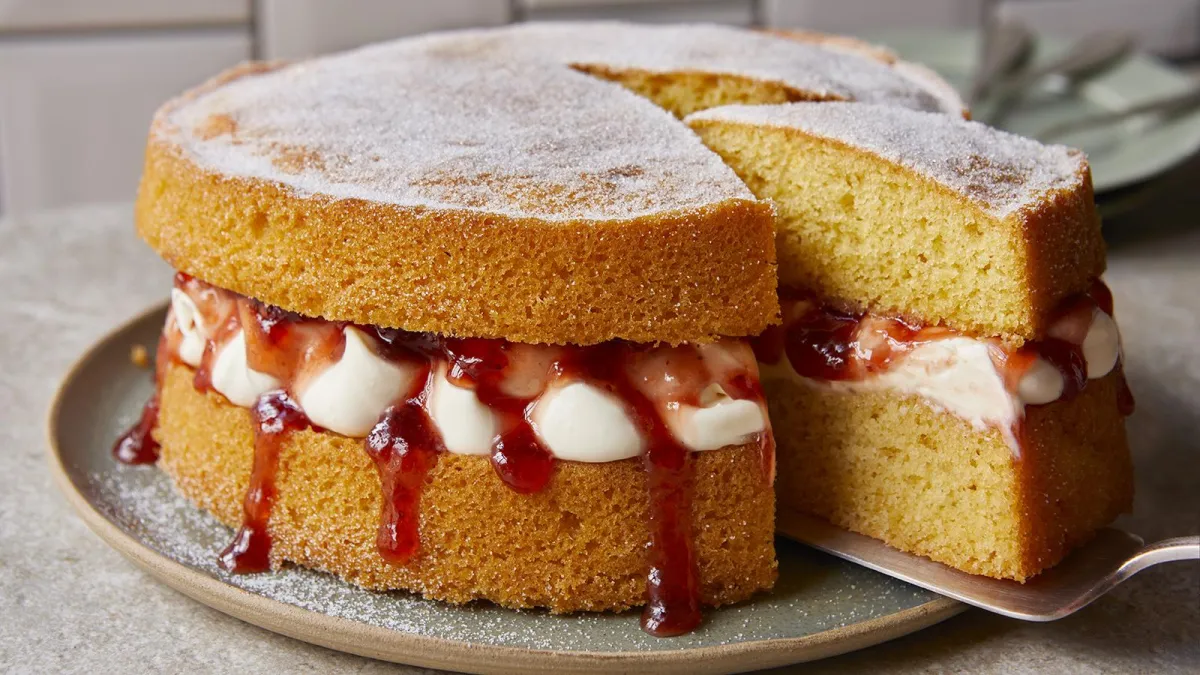 Photo: Mary Berry, via ichef.bbci.co.uk
The show's international success stems from a perfect storm of factors: the format requires minimal translation (cake is a universal language), the tone translates across cultures without losing its charm, and the production costs are relatively modest compared to other reality formats. Most importantly, it tapped into a global hunger for content that felt genuinely wholesome in an increasingly cynical media landscape.
The Celebrity Factory
Bake Off has become British television's most efficient celebrity manufacturing plant, churning out household names with the reliability of a well-oiled KitchenAid. The show's alumni have collectively written more cookbooks than Gordon Ramsay, opened more restaurants than Jamie Oliver, and accumulated more Instagram followers than most actual celebrities.
"The show creates a very specific type of fame," observes a media analyst who's tracked the post-Bake Off careers of contestants. "It's aspirational rather than intimidating, accessible rather than exclusive. People don't just want to follow these celebrities – they want to be them."
The Bake Off celebrity pipeline operates with industrial efficiency: contestants parlaying their tent experience into cookbook deals, television appearances, brand partnerships, and speaking engagements. Some have built entire media empires from their fifteen weeks of fame, proving that in modern Britain, knowing how to make a decent scone is more valuable than a university degree.
The Merchandising Phenomenon
Walk through any British supermarket and you'll encounter the Bake Off industrial complex in action: official mixing bowls, branded baking tins, contestant-endorsed flour, and enough Bake Off-themed merchandise to stock a medium-sized department store.
The show has spawned an entire ecosystem of commercial opportunities that extends far beyond traditional television revenues. Publishing houses compete for contestant cookbook deals, kitchenware manufacturers scramble for official partnerships, and food brands queue up for product placement opportunities.
"The merchandising potential was something we completely underestimated," admits a former production executive. "When Paul Hollywood's bread recipes started outselling actual bread in some supermarkets, we realised we'd created something much bigger than a TV show."
The Channel 4 Gambit
When Channel 4 poached Bake Off from the BBC in 2016 for a reported £75 million, it marked one of the most expensive television acquisitions in British broadcasting history. The move sparked outrage, heartbreak, and approximately seventeen thousand angry tweets about the commercialisation of British culture.
Yet Channel 4's investment has paid off spectacularly. The show consistently delivers audiences that other channels would sacrifice their entire comedy departments to achieve, while generating advertising revenues that have transformed Channel 4's commercial prospects.
"The Channel 4 deal proved that even in the streaming age, certain types of content are worth fighting for," explains a television industry analyst. "Bake Off represents appointment television in an era when most viewing is on-demand. That's incredibly valuable."
The Digital Revolution
Bake Off's success extends far beyond traditional television metrics. The show has generated more user-generated content than most social media platforms, inspired countless YouTube tutorials, and created an entire cottage industry of food bloggers attempting to recreate technical challenges.
The show's social media strategy operates like a well-oiled marketing machine: official accounts provide behind-the-scenes content, contestants build personal brands through Instagram, and fans create endless memes about Paul Hollywood's handshakes and Prue Leith's jewellery choices.
"The digital ecosystem around Bake Off is almost as valuable as the show itself," notes a digital media specialist. "It's created a year-round conversation about baking that keeps the brand relevant even when the show isn't airing."
The Cultural Impact
Beyond the commercial success lies Bake Off's more subtle cultural influence. The show has single-handedly revived interest in home baking, transformed how Britain thinks about food television, and created a template for 'nice' reality TV that other formats desperately try to emulate.
The 'Bake Off effect' extends into retail, education, and social behaviour. Baking supply sales spike during transmission periods, cookery courses report increased enrollment, and social media fills with amateur bakers attempting increasingly ambitious creations.
"The show tapped into something fundamental about British culture – our relationship with food, our love of gentle competition, and our desire for content that feels genuinely optimistic," observes a cultural commentator. "In an age of increasingly polarised media, Bake Off represents something everyone can agree on: cake is good, kindness matters, and sometimes the simple things are the most powerful."
The Future of the Empire
As Bake Off enters its second decade, the challenge becomes maintaining relevance while preserving the qualities that made it special. The format continues expanding internationally, spin-offs multiply like sourdough starter, and the commercial opportunities seem limitless.
The show's enduring success suggests that in an era of peak television and infinite content choices, there remains a powerful appetite for programming that feels genuinely human. Bake Off's accidental empire proves that sometimes the most successful entertainment comes not from cynical calculation, but from genuine affection for the simple pleasure of watching people try their best at something they love.
In the end, perhaps that's the real secret of Bake Off's global domination: in a world that often feels artificially flavoured, it tastes authentically British.