From Sob Stories to Style Icons: How Britain's Talent Show Rejects Built a Beauty Empire
The Unexpected Beauty Revolution Hiding in Plain Sight
Forget everything you think you know about British beauty influencers. While everyone's been obsessing over Love Island winners and X Factor champions, the real style revolution has been brewing in the most unlikely corner of reality TV: the reject pile. Those contestants who got the boot in week two, the ones who didn't even make it to judges' houses, and the Love Island dumpees who lasted precisely 72 hours are now quietly running Britain's most successful beauty empires.
It's the ultimate plot twist that no one saw coming, and it's completely rewriting the rules of how British glamour gets made, marketed, and consumed. These aren't your traditional beauty ambassadors with their pristine Instagram grids and carefully curated partnerships. This is guerrilla beauty warfare, fought with ring lights, discount makeup hauls, and the kind of authentic relatability that traditional beauty brands would kill for.
The Great Beauty Democratisation
Take Molly-Mae Hague, who turned her Love Island runner-up status into a beauty and fashion empire worth millions, but she's just the tip of the iceberg. For every Molly-Mae making headlines, there are dozens of early-exit contestants who've built their own quiet kingdoms selling everything from fake eyelashes to skincare routines inspired by villa life.
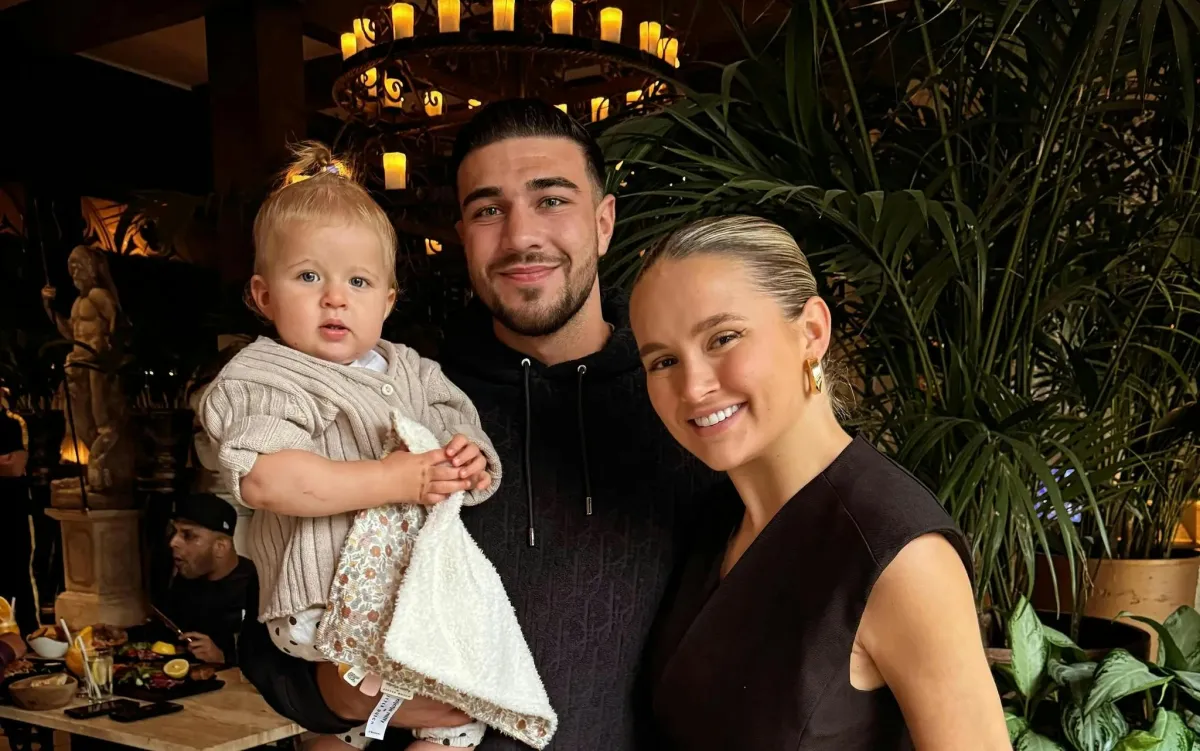 Photo: Molly-Mae Hague, via images.bauerhosting.com
The genius lies in their positioning: they're not selling perfection, they're selling aspiration with a hefty dose of "I'm just like you, babes." When someone who got pied off by a Love Islander three days into the series starts flogging concealer, it hits different. There's no pretence, no unattainable lifestyle porn – just someone who knows what it's like to have your makeup sliding off under studio lights while your love life implodes on national television.
The PLT Pipeline to Beauty Domination
What's fascinating is how these reality TV veterans have created an entirely parallel beauty ecosystem that operates outside traditional industry gatekeepers. They're not waiting for Vogue to call or hoping for a Chanel campaign. Instead, they're building direct relationships with manufacturers, launching their own brands, and using their reality TV experience as market research.
Consider this: who better to understand what normal British women actually want from their makeup than someone who's had to look camera-ready 24/7 while living in a villa with a bunch of strangers? These contestants have essentially completed the world's most intensive beauty boot camp, learning what works under pressure, what photographs well, and what survives a dramatic recoupling ceremony.
The result is a new breed of beauty entrepreneur who understands both the technical and emotional sides of the industry. They know that most women aren't getting ready for red carpets – they're getting ready for work, dates, and nights out in Newcastle. So they create products and content that speak to those real-life scenarios.
The Authenticity Economy
What traditional beauty brands are desperately trying to buy – authenticity – these reality TV veterans have in spades. When a former X Factor contestant posts a makeup tutorial while dealing with trolls, relationship drama, or just general life chaos, it resonates in a way that perfectly lit studio content simply can't match.
This authenticity translates into serious commercial power. Their followers aren't just passive consumers; they're invested in these creators' journeys. When someone you've watched get their heart broken on national television launches a lipstick line, you're not just buying makeup – you're supporting their comeback story.
The numbers speak for themselves: reality TV contestants with relatively modest followings are often outselling established beauty influencers when it comes to product launches. Their engagement rates are through the roof because their audiences feel genuinely connected to their stories.
The High Street Revolution
This talent show beauty boom has had a massive impact on the British high street too. Brands like Revolution Beauty, Makeup Revolution, and Beauty Bay have built entire marketing strategies around collaborating with reality TV personalities rather than traditional celebrities.
These partnerships work because they're perfectly matched: affordable brands with accessible price points working with influencers who understand what it's like to shop on a budget. When a former Love Island contestant creates a £3 eyeshadow palette, it's not just affordable – it's aspirational in a way that feels achievable.
The Cultural Shift
Perhaps most significantly, this reality TV beauty revolution has fundamentally changed what British glamour looks like. Gone are the days when beauty standards were dictated by magazine editors and established celebrities. Now, they're being set by 23-year-olds from Manchester who happened to spend two weeks in a villa and parlayed that into a million-pound beauty business.
This democratisation has led to a much more diverse representation of British beauty. Reality TV casts from different backgrounds, regions, and social classes, and their subsequent beauty empires reflect that diversity. The result is a beauty landscape that actually looks like modern Britain, rather than the narrow, privileged slice that dominated for decades.
The Future of Fame and Beauty
What we're witnessing is nothing short of a complete restructuring of how beauty influence works in Britain. The traditional pathway – model, actress, magazine covers, beauty contracts – has been completely bypassed by people who understand that in the social media age, relatability trumps everything.
These reality TV entrepreneurs have figured out that you don't need to be the most beautiful person in the room; you just need to be the most relatable. And in a country where most people have never set foot in a Selfridges beauty hall but have definitely stress-eaten Haribo while watching Love Island, that relatability is worth its weight in gold.
The beauty industry establishment is still catching up to what these supposedly "failed" contestants figured out years ago: authenticity isn't just a marketing buzzword, it's the entire business model. And frankly, they're absolutely smashing it.