Tears for Fears: How British Reality TV Weaponised Emotional Meltdowns Into Prime Time Gold
The Industrialisation of Heartbreak
There's a moment in every series of Love Island when the cameras zoom in just a little too close on a contestant's face as their world crumbles around them. The mascara runs in perfectly photogenic streaks, the voice cracks at precisely the right moment, and somewhere in a production truck, an editor is already planning how to slice this emotional carnage into the most devastating three-minute segment possible.
Welcome to modern British reality television, where tears have become the most valuable currency in the entertainment economy. We've moved far beyond simple voyeurism into something altogether more calculated and disturbing: the systematic harvesting of human misery for prime time consumption.
The Anatomy of a Breakdown
Watch any reality show from the past five years and you'll notice the formula. The setup: contestants are isolated, stressed, and placed in artificial scenarios designed to amplify every emotional response. The pressure cooker: alcohol flows freely, sleep is restricted, and privacy is non-existent. The trigger: a carefully orchestrated moment of conflict, rejection, or revelation. The payoff: cameras capture every tear, every sob, every moment of psychological collapse in glorious high definition.
This isn't accidental. Modern reality TV production operates with the precision of a psychological experiment, with producers who've studied exactly which buttons to push and when to push them. Every villa argument, every jungle confession, every dating show elimination is choreographed to maximise emotional impact.
"The crying is the money shot," explains one former reality TV producer who's worked on multiple British shows. "Everything else is just filler between the breakdowns. Viewers say they want romance, comedy, entertainment, but the ratings spike every time someone has a proper meltdown."
The Tears Industrial Complex
Behind the scenes, an entire industry has evolved around manufacturing these moments. Casting directors specifically seek out emotionally vulnerable contestants. Psychologists are employed not to protect participants' mental health, but to predict who's most likely to crack under pressure. Story producers craft scenarios designed to push contestants to their breaking point.
The techniques are sophisticated and deeply manipulative. Sleep deprivation is standard – exhausted people are more emotionally volatile. Alcohol is strategically provided to lower inhibitions. Contestants are isolated from support networks and fed information designed to create maximum drama. Even the physical environment is calibrated for emotional instability: uncomfortable temperatures, poor lighting, and cramped living conditions all contribute to psychological stress.
"We had spreadsheets tracking each contestant's emotional state," reveals another industry insider. "Who was close to breaking, who needed more pressure, who was ready for their 'moment.' It was like managing a portfolio of human misery."
The Audience as Accomplice
But here's the uncomfortable truth: we're not passive victims of this emotional exploitation. We're active participants. Every time we tune in for the drama, share clips of contestants crying on social media, or vote for the most 'authentic' (read: emotionally damaged) participant, we're feeding the machine.
The viewing figures don't lie. Episodes featuring major emotional breakdowns consistently outperform those focused on actual competition or relationship building. Social media engagement spikes during crying scenes. The most successful reality TV moments of the past decade have all featured genuine human suffering presented as entertainment.
We've developed an addiction to authentic emotion in an increasingly artificial world. Reality TV provides what social media and celebrity culture cannot: unfiltered, genuine human feeling. The irony is that in our hunger for authenticity, we've created the most inauthentic entertainment format imaginable.
The Psychological Toll
The human cost of this entertainment model is becoming impossible to ignore. Former contestants frequently report long-term psychological damage from their reality TV experiences. Depression, anxiety, and PTSD are common among participants who've been through the emotional wringer of modern reality television.
"You sign up thinking you're going to have fun, maybe find love, definitely get famous," explains one Love Island alumnus. "What you don't realise is that they're going to systematically break you down and broadcast every moment of it. The tears aren't acting – they're genuine trauma, happening in real time."
The aftermath is often worse than the initial experience. Contestants return to normal life carrying the psychological scars of their televised breakdown, often to find their most vulnerable moments have been turned into memes, GIFs, and viral content. The exploitation continues long after filming ends.
The Evolution of Emotional Voyeurism
This wasn't always the case. Early reality TV focused on social dynamics and competition rather than emotional destruction. Big Brother's original format was about observation and social experiment. The first series of Love Island was relatively tame compared to today's emotional bloodbath.
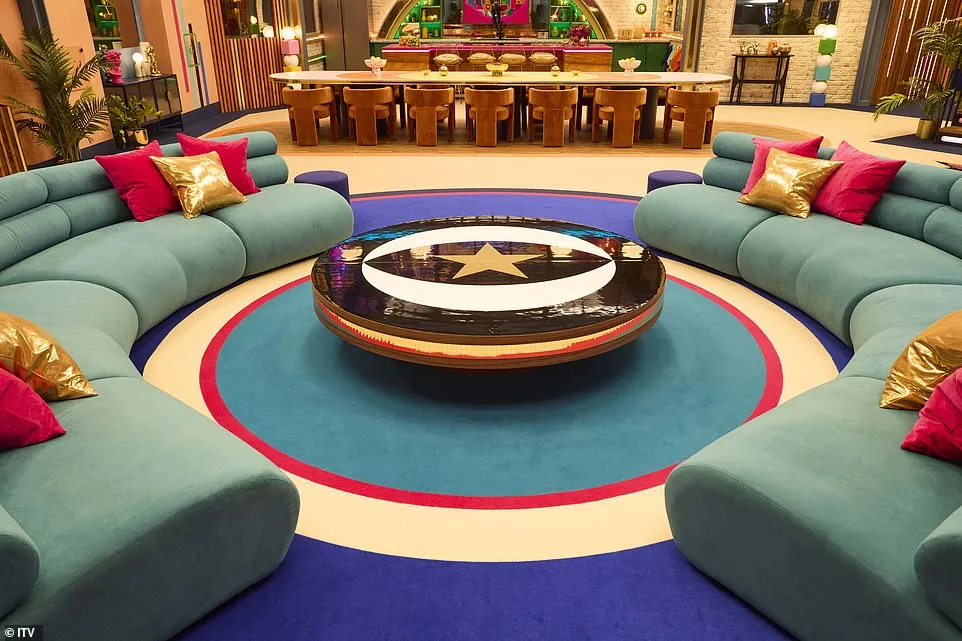 Photo: Big Brother, via i.dailymail.co.uk
The shift began as audiences became desensitised to standard reality TV drama. Producers needed to escalate constantly to maintain viewer interest. What started as genuine human interaction gradually became a sophisticated form of psychological torture dressed up as entertainment.
Social media accelerated this trend. The most shareable reality TV moments are those featuring extreme emotional reactions. Producers began designing scenarios specifically for social media virality, with emotional breakdowns providing the most reliable content for online engagement.
The Global Export of Misery
British reality TV has become a global leader in emotional exploitation, with our formats exported worldwide. The British model of combining alcohol, sleep deprivation, and psychological manipulation has been adopted by reality shows across the globe, spreading our particular brand of televised cruelty to international audiences.
We've essentially weaponised our national reputation for emotional repression, creating entertainment that celebrates the breakdown of psychological defences. The stiff upper lip has been replaced by the profitable breakdown, with tears becoming our most successful cultural export.
The Moral Reckoning
As awareness of reality TV's psychological impact grows, questions about the ethics of emotional exploitation are becoming harder to ignore. Some countries have introduced stricter regulations governing participant welfare. Duty of care policies are being strengthened. Mental health support is being mandated.
But the fundamental model remains unchanged because the appetite for emotional content shows no signs of diminishing. We claim to care about mental health while simultaneously consuming entertainment that treats psychological breakdown as comedy.
The Future of Feeling
The reality TV tears factory shows no signs of slowing down. If anything, competition for emotional content is intensifying as streaming platforms enter the reality space. The pressure to create more extreme, more shareable, more emotionally devastating content will only increase.
Perhaps it's time to ask ourselves some uncomfortable questions about what our entertainment choices say about us as a society. When did watching people suffer become our idea of fun? What does our appetite for authentic emotion say about the emotional poverty of our own lives?
The next time you find yourself watching someone cry on reality TV, remember: those tears are real, the pain is genuine, and somewhere, a producer is calculating exactly how much human misery is worth in advertising revenue. The question isn't whether reality TV will continue exploiting emotional vulnerability – it's whether we'll continue rewarding it with our attention.
In the end, we get the television we deserve. And apparently, what we deserve is other people's pain, served up with a side of moral superiority and a healthy dose of collective denial about our own complicity in the whole sordid enterprise.