The Undead Box Set: How Britain's Cancelled TV Shows Built Secret Empires
When Death Isn't The End
In the brutal world of British television, cancellation is supposed to be final. Shows get axed, cast members move on, and audiences are expected to accept their loss and find something new to obsess over. Except nobody told the fans that script.
While TV executives pat themselves on the back for making 'difficult decisions', a parallel universe of commerce has emerged where cancelled shows aren't just remembered — they're monetised, merchandised, and kept financially viable by communities so passionate they make football supporters look casual.
This isn't nostalgia. This is business. Big business.
The Pin Badge Revolution
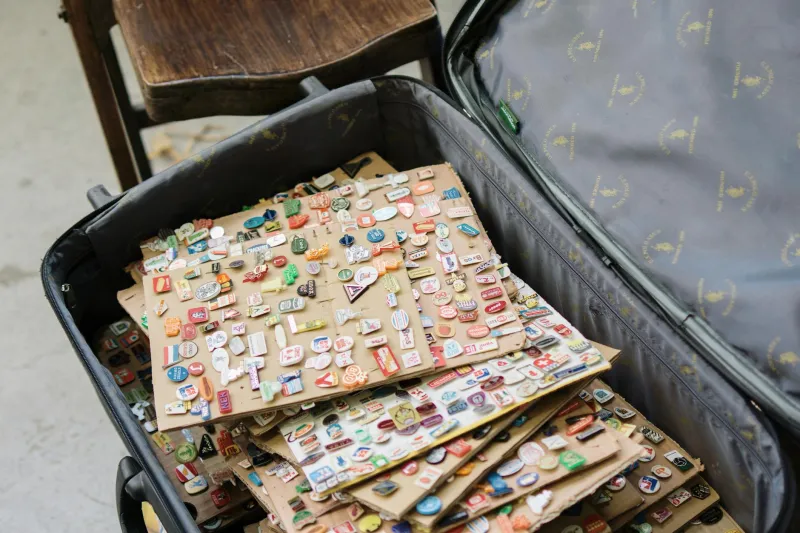
Walk through any British comic convention, and you'll spot them immediately: the stalls selling enamel pins, badges, and patches celebrating shows that haven't aired new episodes in decades. These aren't official merchandise lines — they're grassroots enterprises built by fans who refuse to let their favourite programmes fade into obscurity.
The economics are fascinating. A well-designed pin celebrating a cult BBC comedy from the 1990s can sell for £8-12, with production costs around £2-3. The margins would make retail executives weep with envy, especially when you factor in the built-in demand from communities desperate for any way to signal their allegiance to cancelled classics.
Social media has turbocharged this cottage industry. Instagram accounts dedicated to retro TV merchandise regularly shift hundreds of units per drop, with limited editions selling out in minutes. The algorithm loves nostalgia, and nostalgia loves buying things.
These micro-businesses have created entire supply chains around programmes that officially no longer exist. Graphic designers specialise in recreating vintage TV aesthetics. Manufacturers have developed expertise in producing small-batch collectibles. Postal services have adapted to handle the constant stream of packages containing tiny metal tributes to televisual history.
Convention Culture Goes Mainstream
What started as gatherings of hardcore fans in community centres has evolved into professionally organised events that generate serious revenue. Conventions celebrating everything from 1980s children's television to axed BBC dramas now attract thousands of attendees willing to pay premium prices for the chance to meet cast members and buy exclusive merchandise.
The financial model is surprisingly sophisticated. Ticket sales, vendor fees, guest appearance charges, and exclusive merchandise all combine to create events that often generate more revenue per day than the original shows managed per episode. It's a masterclass in maximising the commercial potential of intellectual property that traditional media companies have essentially abandoned.
Cast members who struggled to find work after their shows were cancelled have discovered lucrative second careers on the convention circuit. A single weekend appearance can earn more than their original episode fees, with the added bonus of meeting fans who genuinely appreciate their work rather than executives who never quite 'got' the show.
The Crowdfunding Phenomenon
Perhaps most remarkably, fan communities have started financing their own revivals. Crowdfunding platforms have enabled passionate audiences to put their money where their nostalgia is, funding everything from documentary retrospectives to full-blown revival episodes.
The success stories are genuinely impressive. Fans of cancelled comedies have raised six-figure sums to produce new content featuring original cast members. Documentary projects celebrating forgotten dramas have exceeded their funding targets by hundreds of percentage points. Even simple behind-the-scenes reunion videos can generate thousands in backing from communities desperate for any new content.
These projects often achieve something traditional television commissioning never managed: they give fans exactly what they want, delivered by people who understand why the original shows mattered. No focus groups, no demographic targeting, no notes from executives who never watched the programme — just pure fan service funded by people who genuinely care.
The Digital Afterlife
Streaming platforms have inadvertently created new opportunities for cancelled shows to find fresh audiences. Programmes that seemed hopelessly dated when they were axed have discovered devoted followings among viewers who missed them first time around.
This digital resurrection has commercial implications that extend far beyond streaming revenue. Shows that find new life online create fresh demand for merchandise, boost convention attendance, and generate social media buzz that can translate into genuine commercial opportunities.
Fan-created content has exploded around these rediscovered shows. YouTube channels dedicated to analysis, retrospectives, and speculation generate millions of views. Podcasts diving deep into cancelled series build substantial audiences. Social media accounts celebrating forgotten programmes rack up impressive follower counts.
The Economics of Obsession
The underground economy surrounding cancelled British television operates on principles that would fascinate any business school. It's driven by scarcity rather than abundance, passion rather than marketing, and community rather than demographics.
Products succeed not because they're promoted heavily, but because they serve genuine emotional needs. Fans aren't just buying badges or attending conventions — they're purchasing connection to communities and memories that matter to them personally.
The profit margins are often spectacular because the customer base is so committed. When someone has spent years mourning the cancellation of their favourite show, they're not price-sensitive about merchandise that celebrates it. They're not comparison shopping. They're buying because they need to own a piece of something that brought them joy.
The Future of Fan Commerce
As traditional television becomes increasingly risk-averse and algorithm-driven, the gap between what gets commissioned and what audiences actually want continues to widen. This creates ever-expanding opportunities for fan-driven commerce to fill the void.
New technologies are making it easier for fan communities to create professional-quality content and merchandise. Print-on-demand services eliminate inventory risks. Social media provides direct marketing channels. Crowdfunding platforms enable ambitious projects that would never secure traditional backing.
The most successful fan enterprises are those that understand they're not just selling products — they're selling membership in communities built around shared love for programmes that 'the industry' decided weren't worth continuing.
The Ultimate Victory
In many ways, these fan economies represent the ultimate victory over television's traditional power structures. Shows that were cancelled because they didn't fit demographic targets or advertising models have found sustainable commercial life serving the audiences that actually watched them.
While commissioners chase ratings and executives worry about international sales potential, fan communities are proving that passionate audiences will pay premium prices for content that speaks to them directly. It's a lesson the television industry keeps learning the hard way: sometimes the best business model is simply giving people what they actually want.
The undead box set economy isn't just about nostalgia — it's about the commercial power of genuine connection in an increasingly disconnected media landscape. And judging by the queues at convention merchandise stalls, business has never been better.