The Voice Surgeons: Meet the Dialect Doctors Quietly Rewriting British Celebrity DNA
The Invisible Empire Behind Every 'Posh' Voice
Remember when Emma Stone perfectly nailed that cut-glass English accent in The Favourite? Or when Hugh Laurie convinced an entire generation of Americans he was born in New Jersey? Behind these vocal transformations sits Britain's most secretive showbiz industry: the dialect coaches who've quietly become the kingmakers of modern entertainment.
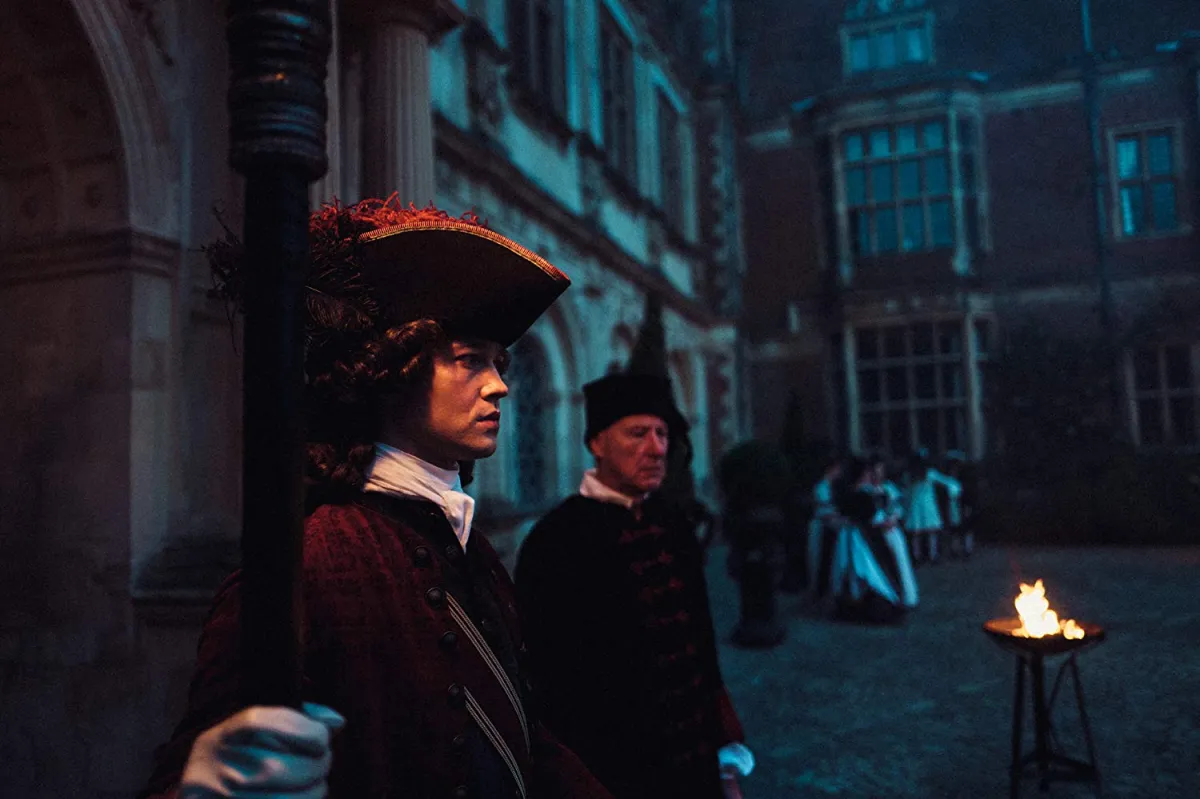 Photo: The Favourite, via static.cinemagia.ro
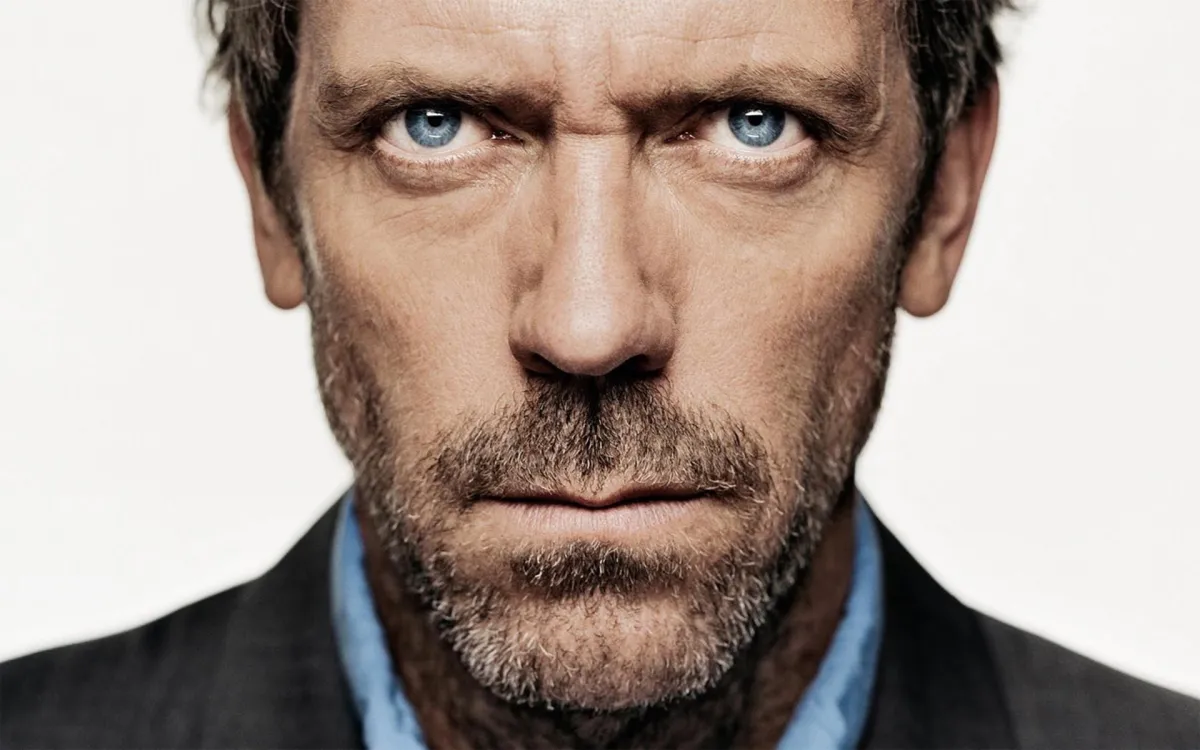 Photo: Hugh Laurie, via images3.alphacoders.com
 Photo: Emma Stone, via www.sheknows.com
These aren't your secondary school drama teachers with a passion for projection. We're talking about linguistic assassins who can surgically remove a Scouse accent faster than you can say 'sound' and implant Received Pronunciation so seamlessly that even the Queen's English tutor would be fooled. And business, darling, is absolutely booming.
From Geordie to Generic: The Great British Accent Erasure
Take a stroll through any casting directory from the 1980s and you'll find a glorious cacophony of regional accents proudly representing every corner of Britain. Fast-forward to today's Netflix homepage and you'd be forgiven for thinking every British actor was raised in the same leafy suburb of Surrey.
The numbers don't lie. Industry insiders suggest that 80% of working British actors have employed a dialect coach at some point in their careers. That's not just Hollywood-bound stars perfecting their American drawl – we're talking soap opera regulars softening their Yorkshire edges and reality TV contestants learning to 'speak proper' for their post-villa media careers.
"The regional accent used to be your calling card," explains one veteran coach who's worked with A-listers we definitely can't name. "Now it's seen as a limitation. Everyone wants to sound like they could play anything, anywhere. The irony is that in trying to be versatile, they're all becoming the same."
The £500-an-Hour Voice Makeover
Behind the glossy Instagram posts and red carpet appearances, Britain's dialect coaching industry operates like a high-end medical practice. Sessions cost upwards of £500 an hour, with intensive 'accent bootcamps' running into the tens of thousands. Some coaches are booked solid eighteen months in advance, their client lists reading like a who's who of British entertainment.
The process is surprisingly clinical. Voice recordings are analysed like forensic evidence, with coaches identifying 'problem' sounds that might betray a star's humble origins. Breathing techniques borrowed from opera training combine with psychological conditioning that would make a therapist blush. The goal? Complete vocal reinvention that appears utterly natural.
One coach, speaking anonymously, describes the pressure: "You're not just changing how someone sounds – you're changing how they're perceived, how much they'll earn, what roles they'll be offered. Get it wrong and you've potentially destroyed a career. Get it right and you've created a star."
The Ethics of Erasure
But here's where things get uncomfortable. Are we witnessing the systematic erasure of regional British identity in favour of a homogenised, commercially viable sound? When every actor from Newcastle starts sounding like they attended Eton, what message does that send about the value of authentic regional voices?
Critics argue that the dialect coaching boom represents everything wrong with modern celebrity culture – the relentless pursuit of commercial appeal over authenticity, the suggestion that working-class accents are somehow 'lesser' and need correcting. Supporters counter that it's simply giving talented performers the tools they need to access a global market.
The American Dream Machine
Nowhere is this more apparent than in the British-to-American accent pipeline. With streaming platforms offering global audiences and Hollywood still representing the ultimate career destination, the ability to convincingly sound American has become as essential as headshots.
The coaches specialising in this transformation have become the industry's most sought-after professionals. They're not just teaching pronunciation – they're providing access to a market worth billions. Get cast in a major American production and your fee can jump from thousands to millions overnight.
"American casting directors don't want to take risks," explains one industry veteran. "They want someone who sounds authentically American from day one. A British actor who can deliver that has a massive advantage over their American competition – they're seen as more 'trained' and professional."
The Future of Fake
As artificial intelligence begins to creep into voice coaching through apps and online platforms, the human coaches are doubling down on their psychological approach. It's not enough to change how someone sounds – they need to change how they think about their voice, their identity, their entire relationship with language.
The most successful coaches have become part voice teacher, part therapist, part career strategist. They're helping stars navigate not just the technical aspects of accent modification but the emotional journey of essentially becoming someone else.
The Uncomfortable Truth
Perhaps the most telling aspect of this entire industry is how secretive it remains. While celebrities happily discuss their personal trainers, nutritionists, and even plastic surgeons, mention of dialect coaching is strictly off-limits. The implication is clear: admitting to accent modification suggests inauthenticity, calculation, a betrayal of one's roots.
Yet the coaches continue to thrive, their appointment books full of stars desperate to sound like anyone other than themselves. In an industry obsessed with authenticity, they've created a thriving business built entirely on its opposite.
The next time you hear a British celebrity's perfectly neutral accent in an interview, remember: behind that voice sits an entire industry dedicated to making them sound like they're from nowhere in particular. In the modern entertainment landscape, it seems, the most valuable accent of all is no accent at all.