When Saturday Nights Meant Something: The Death of Britain's Greatest TV Institution
The Golden Hour That Ruled Britannia
There was a time when Saturday night at eight o'clock wasn't just a television slot – it was a national appointment. Families would gather around the telly like pilgrims at a shrine, remote controls safely tucked away because nobody dared channel-hop during the sacred hour. This was prime time in its purest form, when shows didn't just entertain; they created shared cultural moments that would be dissected in offices and playgrounds for the entire following week.
Blind Date wasn't merely a dating show; it was a weekly masterclass in British awkwardness elevated to art form. Cilla Black's Scouse warmth could make even the most cringeworthy romantic disasters feel like family entertainment. The Generation Game transformed mundane tasks into appointment television, with Bruce Forsyth's "Nice to see you, to see you nice" becoming a national catchphrase that transcended class, age, and regional boundaries.
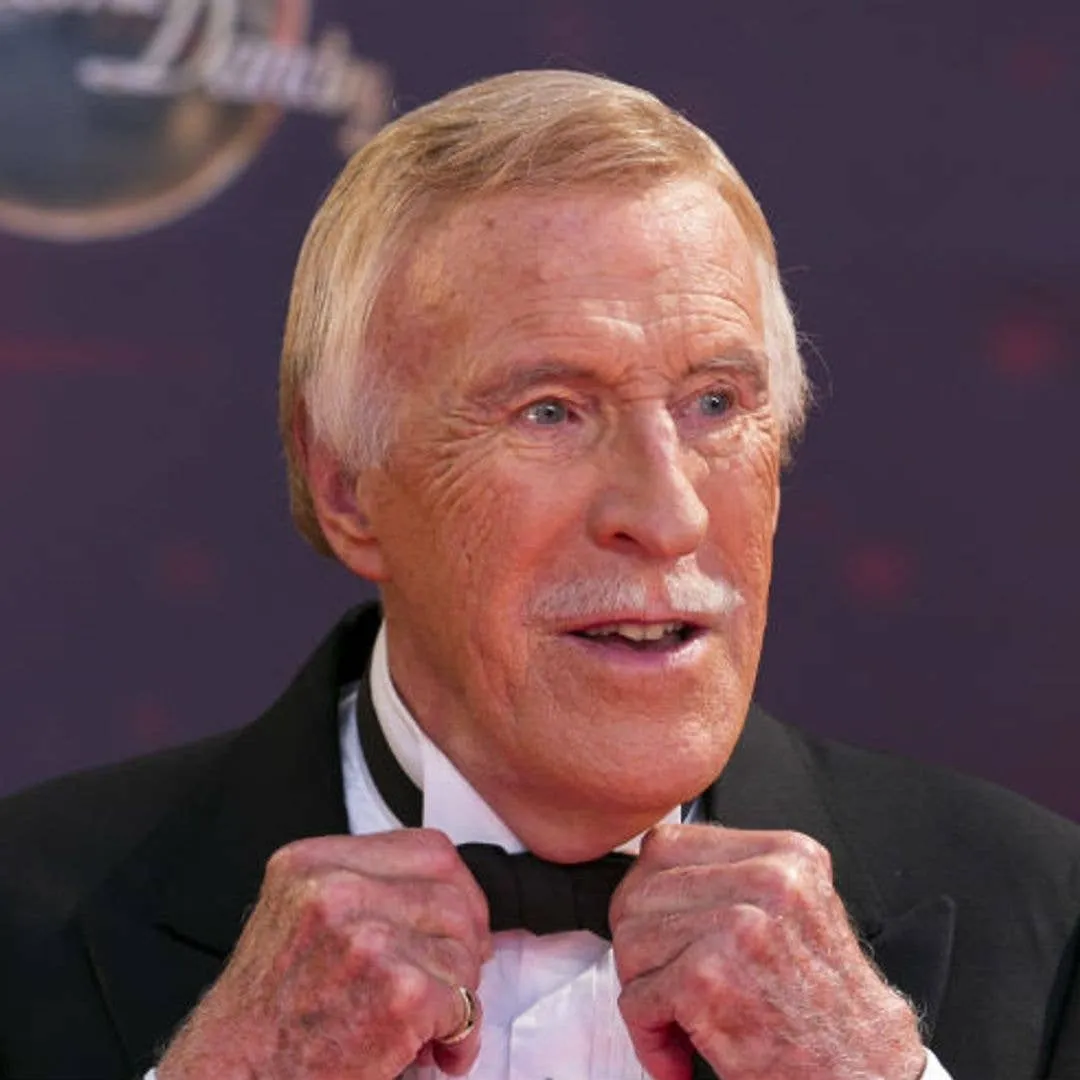 Photo: Bruce Forsyth, via images.hellomagazine.com
These weren't just programmes – they were cultural institutions that defined what it meant to be British on a Saturday night. They were the television equivalent of a proper Sunday roast: comforting, familiar, and absolutely essential to the national psyche.
The Ant & Dec Dynasty
For a glorious period, it seemed like Saturday nights had found their modern saviours in Ant & Dec. The Geordie duo understood something fundamental that seems to have been forgotten: Saturday night television should feel like a celebration, not homework. Whether they were tormenting celebrities in the jungle or orchestrating elaborate pranks on unsuspecting members of the public, they brought an infectious energy that made viewers feel like they were part of something special.
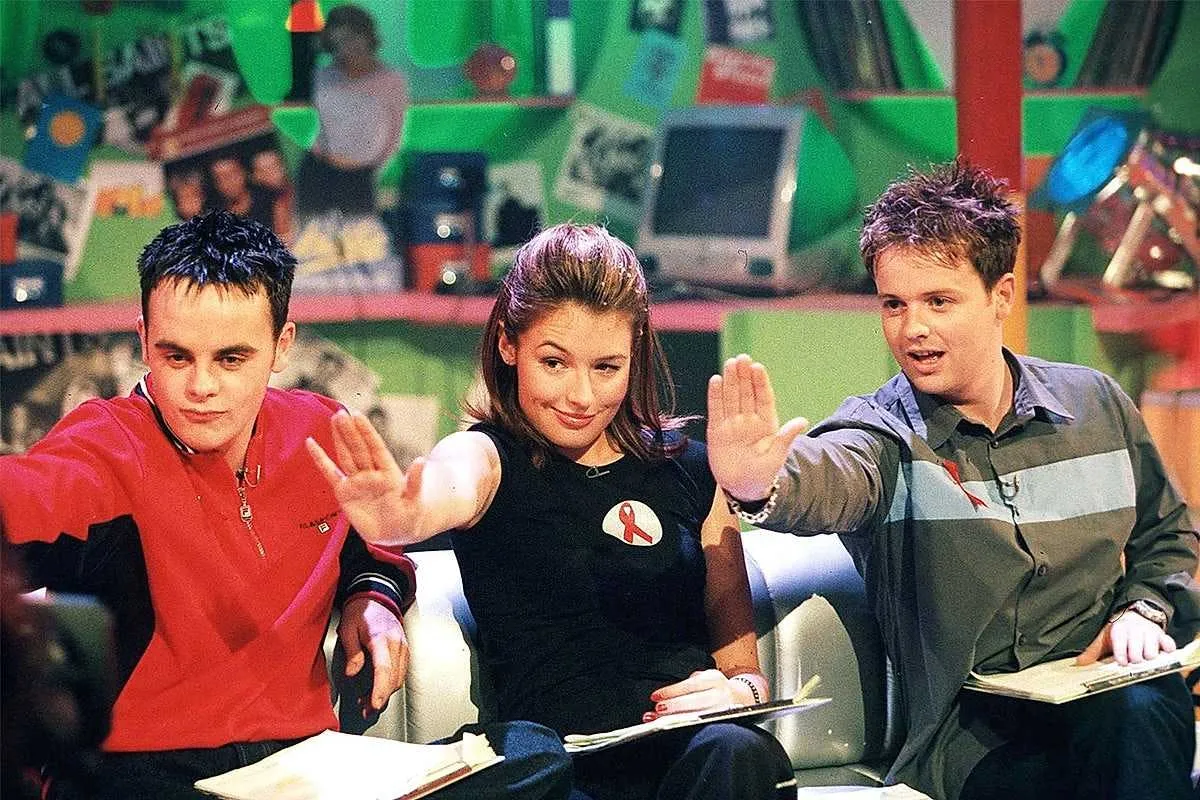 Photo: Ant & Dec, via images.bauerhosting.com
Saturday Night Takeaway was the last hurrah of proper Saturday night entertainment – a variety show that wasn't embarrassed to be a variety show. It combined celebrity guests, audience participation, hidden cameras, and genuine surprises in a format that felt both nostalgic and fresh. When they temporarily stepped back, it felt like the last guardians of Saturday night had abandoned their posts.
The Great Retreat: How Broadcasters Lost Their Nerve
Somewhere along the way, British broadcasters developed a curious case of Saturday night stage fright. The slot that once housed the biggest, boldest, most ambitious programming became a dumping ground for tepid panel shows, imported formats, and programmes that felt like they'd been commissioned by committee and focus-grouped to death.
The BBC, once the undisputed monarch of Saturday night entertainment, began treating the slot like a problem to be managed rather than an opportunity to be seized. Commissioners started chasing younger demographics with shows that felt designed by algorithm rather than instinct. The result? Programming that pleased nobody and excited nobody, least of all the families who once made Saturday night television a ritual.
ITV fared little better, oscillating between desperate attempts to recapture past glories and half-hearted imports that felt about as British as a bowl of Lucky Charms. The magic ingredient – that indefinable quality that made Saturday night television feel special – had been focus-grouped and market-researched out of existence.
The Streaming Saboteurs
Of course, it's easy to blame Netflix and the streaming revolution for the death of appointment television. Why gather around the family telly when everyone can watch what they want, when they want, on their own devices? The argument has merit, but it's also a convenient excuse for commissioning cowardice.
The truth is, great Saturday night television was never just about the shows themselves – it was about the shared experience. It was about three generations arguing over whether the contestant should take the money or open another box. It was about collectively wincing at Dad's Dancing on Ice jokes while secretly enjoying them. It was about being part of something bigger than yourself, even if that something was just watching Graham Norton extract embarrassing stories from Hollywood A-listers.
Streaming services, for all their convenience and content libraries, can't replicate that communal magic. They've given us everything except the one thing that made Saturday night television special: the knowledge that millions of other people were sharing the same experience at exactly the same moment.
The Second Screen Curse
Even when families do gather to watch television together, half of them are simultaneously scrolling through their phones, live-tweeting reactions, or checking Instagram stories. The second screen has become the primary screen for many viewers, reducing television to background noise in their own living rooms.
This fragmented attention has fundamentally changed how programmes are made. Commissioners now assume that viewers aren't really watching, leading to louder, more frantic programming designed to cut through the digital noise. The subtle art of building tension, developing character, or crafting a perfect comedic pause has been sacrificed on the altar of audience retention metrics.
The Format Trap
Modern Saturday night television has become obsessed with formats – those internationally tradeable programme concepts that can be sold to broadcasters around the world. The problem is that formats, by their very nature, are designed to be culturally neutral. They strip away the local flavour, the regional quirks, and the specifically British sensibility that made our Saturday night television special.
Compare the warm, chaotic energy of the original Generation Game with the slick, sanitised efficiency of modern format shows. The old programmes felt like they could only have been made in Britain, by British people, for British audiences. Today's offerings could have been beamed in from anywhere, and often feel like they have been.
The Talent Drain
Perhaps most damaging of all, Saturday night television has lost its ability to create and nurture genuine stars. The presenters who once ruled Saturday nights – Bruce Forsyth, Cilla Black, Dale Winton – were allowed to develop their craft over years, building relationships with audiences that transcended individual programmes.
Today's television landscape offers no such luxury. Presenters are hired for their social media following rather than their broadcasting ability, and if a show doesn't immediately capture zeitgeist attention, it's cancelled before anyone has a chance to find their feet. We're creating a generation of television personalities who are famous for being famous rather than for being genuinely entertaining.
The Glimmer of Hope
Not everything is doom and gloom in Saturday night television land. Occasionally, a programme breaks through the mediocrity to remind us what we've lost. The Masked Singer, despite its bizarre premise, captured something of the old Saturday night magic – the ability to get families arguing about whether the person in the ridiculous costume was definitely Donny Osmond or possibly a member of Steps.
Strictly Come Dancing remains the last bastion of proper Saturday night entertainment, combining celebrity spectacle, genuine jeopardy, and that essential ingredient of shared national conversation. It's telling that the programme works precisely because it embraces everything that modern television commissioning usually runs away from: it's unashamedly camp, gloriously silly, and completely committed to the idea that Saturday night television should be a celebration.
The Way Back
Saving Saturday night television requires more than just better programmes – it requires a fundamental shift in how broadcasters think about the slot. They need to stop chasing demographic segments and start thinking about creating genuine family entertainment that brings people together rather than driving them apart.
This means commissioning with confidence rather than caution, backing big ideas rather than safe bets, and remembering that Saturday night television should feel like a party, not a corporate presentation. Most importantly, it means understanding that in an age of infinite choice and fragmented audiences, the real luxury is the shared experience – something that no amount of streaming sophistication can replicate.
The question isn't whether Saturday night television can be saved – it's whether anyone still cares enough to try. Because once it's gone, once that final thread connecting us to our collective television heritage is severed, we'll discover that some things, once lost, can never truly be recovered.