Rounds, Rowdiness, and Royalties: How Britain's Pub Quiz Accidentally Conquered the Entire Planet
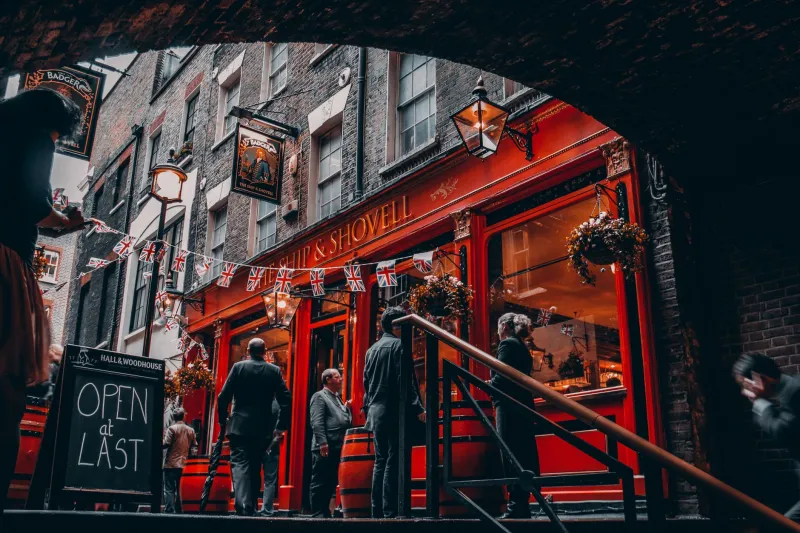
Rounds, Rowdiness, and Royalties: How Britain's Pub Quiz Accidentally Conquered the Entire Planet
Somewhere in Britain tonight, a middle-aged man in a fleece will be absolutely livid about a geography question. His team — almost certainly called something like 'Quiz Khalifa' or 'Agatha Quiztie' — will have confidently written down the wrong capital city, and he will spend the next twenty minutes constructing an elaborate argument for why their answer was, in a broader geopolitical sense, arguably more correct than the official one. The quizmaster will not be moved. The round will be marked. The fleece man will seethe.
This is Britain's pub quiz in its purest, most elemental form. And it has, against all reasonable expectation, become one of the most successfully exported entertainment formats in the history of British media.
The Tuesday Night Tradition That Built an Industry
The pub quiz as Britain knows it today has murky origins — multiple landlords, quiz enthusiasts, and regional breweries have claimed to have invented it at various points between the 1970s and 1980s — but its explosion into mainstream pub culture happened rapidly and comprehensively. By the 1990s, Tuesday or Wednesday night quiz nights had become a fixture in boozers from Penzance to Inverness. By the early 2000s, skipping pub quiz night required a genuinely compelling excuse.
What's remarkable, looking back, is that nobody initially thought this was a commercial opportunity of any significant scale. It was just something pubs did to fill the midweek quiet. Breweries encouraged it because it sold more Guinness. Landlords liked it because it built regular custom. The actual quiz content — the questions, the formats, the rounds — was largely an afterthought, often sourced from photocopied booklets, bought cheaply in bulk, or simply nicked from last week's sheet with the answers changed.
And then, slowly, someone realised there was serious money in the questions.
The Question Writers: Britain's Most Underrated Creative Industry
Today, Britain supports an entire professional class of question writers. This is not a joke. There are individuals in this country who earn a comfortable living — and in some cases, a very comfortable living — doing nothing but constructing, fact-checking, and categorising trivia questions for pub quiz distribution companies, television formats, and digital platforms.
The major quiz content companies — and there are several, quietly generating revenues that would surprise you — supply thousands of pubs across the UK with weekly question sets, themed rounds, and seasonal specials. Getting the questions right is surprisingly difficult. Too easy and regulars feel patronised. Too hard and teams give up. The wrong answer accepted as correct and you'll have a Fleece Man Incident on your hands that no amount of bonus questions can resolve.
There are also the touring quizmasters — a genuinely thriving profession that sits somewhere between stand-up comedy and event hosting. The best ones have waiting lists. They have repeat bookings stretching months in advance. They have, in several documented cases, fan followings of the sort usually reserved for minor regional celebrities. One particularly celebrated quizmaster in the North West is, by all accounts, more recognisable in certain pubs than any television presenter you care to name.
From the Boozer to the Box
The leap from pub quiz to primetime television was, in retrospect, inevitable. The BBC spotted the format's potential early — Mastermind, technically, predates the pub quiz boom, but it was the pub quiz sensibility that transformed the quiz show from an austere, slightly intimidating affair into the warmly chaotic family entertainment that filled Saturday night schedules throughout the 1990s and 2000s.
Who Wants to Be a Millionaire? — perhaps the most significant quiz show export in British television history — is essentially a pub quiz with the Fleece Man replaced by a man in an expensive suit and the prize money upgraded from a £20 bar tab to a cheque with an alarming number of zeros. It was sold to over 100 countries. It made ITV an absolute fortune. It launched a thousand imitators.
The format proliferated. The Weakest Link. Pointless. The Chase — which has itself become a minor celebrity industrial complex, spawning spin-offs, international versions, and a set of 'Chasers' who are now genuine household names capable of filling theatres on their own personal appearances. Anne Hegerty, Shaun Wallace, and Mark Labbett are, by any reasonable definition, celebrities whose fame derives entirely from being very good at answering questions quickly. Britain built that. Britain is inexplicably proud of it.
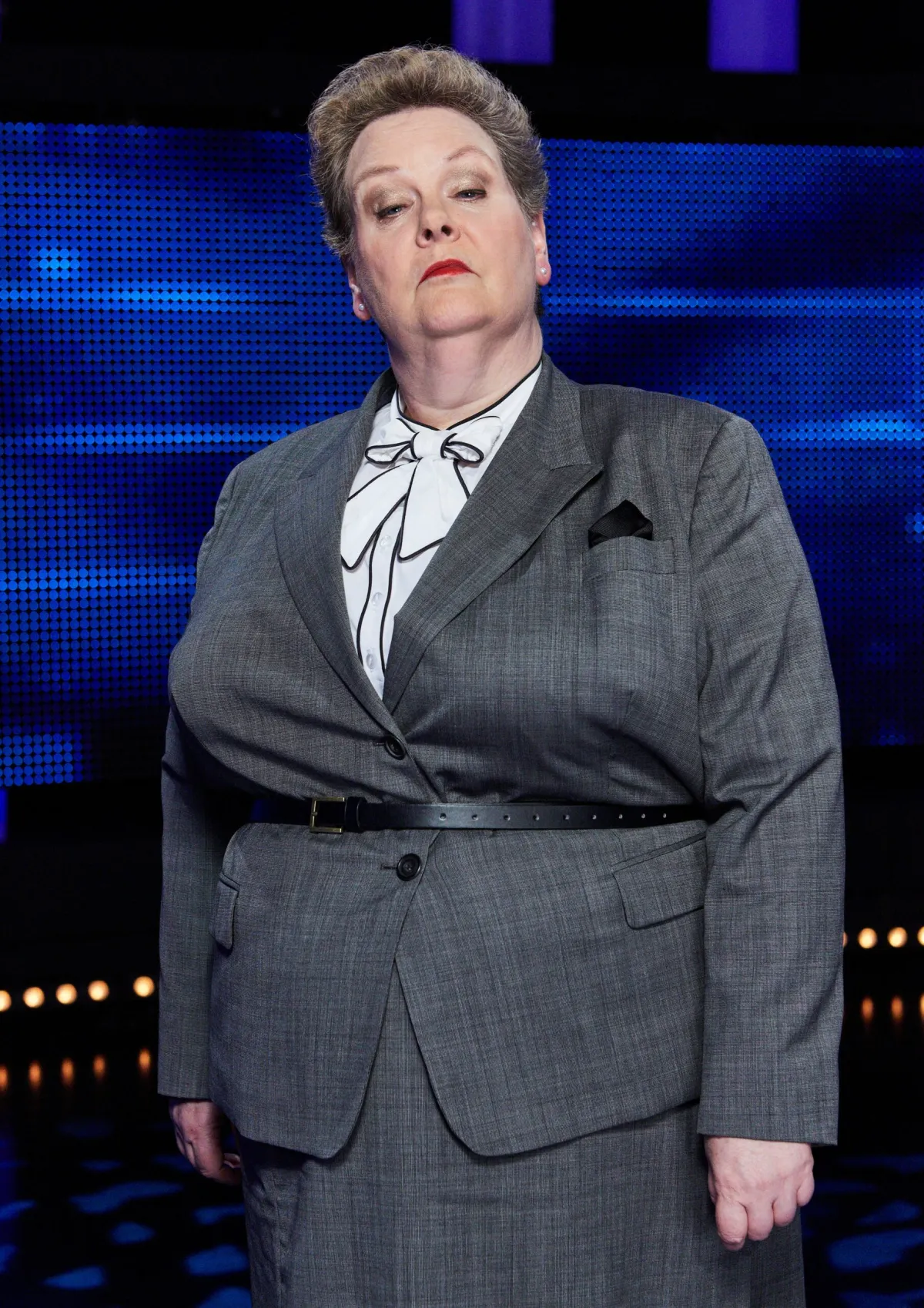 Photo: Anne Hegerty, via cdn.entertainmentdaily.com
The Digital Acceleration
If television amplified the pub quiz, the internet absolutely detonated it.
Quiz apps proliferated through the 2010s, with QuizUp and then Trivia Crack introducing the competitive trivia format to smartphones globally. British companies were disproportionately well-represented in this space, partly because the UK's quiz culture meant there was existing expertise in question writing, format design, and audience psychology that other markets simply didn't have.
The pandemic, grimly, was the pub quiz's unexpected second coming. With actual pubs shuttered, virtual pub quizzes exploded across Zoom and Google Meet with a ferocity that genuinely surprised the platforms hosting them. Jackbox Games — an American company, admittedly, but one that drew heavily on British quiz sensibilities — became a household name overnight. The lockdown pub quiz became a cultural institution in its own right, with some virtual hosts attracting audiences in the tens of thousands for their weekly streams.
Streaming platforms took notice. Several quiz-based formats are now in active development for major streaming commissioners, with Netflix and Amazon both circling concepts that attempt to bottle the particular chaotic warmth of a good pub quiz round and deliver it to a global audience who may never have set foot in a British pub.
Why Britain, Though?
This is the question that genuinely baffles people from outside the UK. Why is a nation that consistently embarrasses itself on European quiz shows — ask any British person about their country's performance in international general knowledge competitions and watch them wince — the world's foremost exporter of competitive trivia entertainment?
The answer, counterintuitively, might be precisely because Britons are so magnificently unselfconscious about not knowing things. The pub quiz isn't really about knowing the answers. It's about the performance of almost knowing the answers. It's about the confident wrong answer, the disputed correct answer, the teammate who insists they definitely know this one, and the collective groan when the correct answer is revealed and it turns out everyone had it first and then talked themselves out of it.
Britain exported not a format but a feeling: the democratic, booze-lubricated, gloriously competitive and entirely inconsequential joy of arguing about facts with people you like. That, it turns out, translates to forty countries.
Somewhere, in a bar in Tokyo or a pub in Melbourne or a quiz night in São Paulo, a person in the local equivalent of a fleece is absolutely furious about question six.
Britain did that. Britain should be proud.