Manufactured Monsters: The Cold, Calculated Business of Turning Real People Into Reality TV Villains
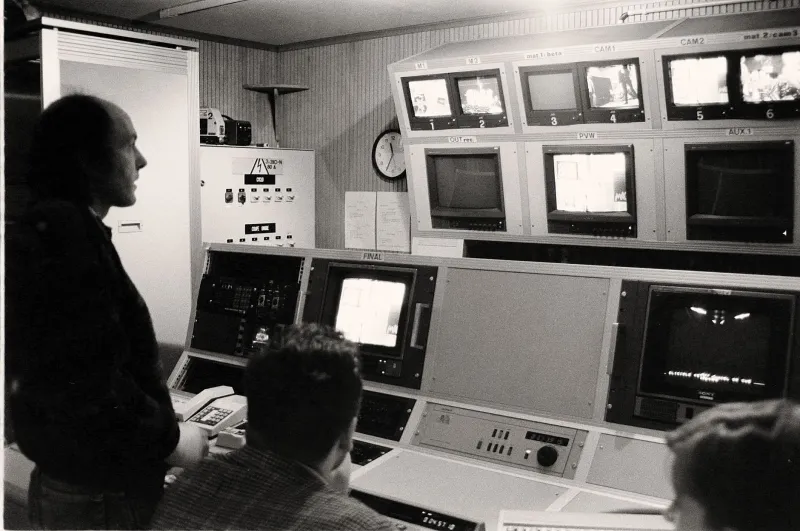
Somewhere in a post-production suite right now, someone is doing something quietly devastating to a perfectly ordinary person. They are taking forty hours of footage, selecting eleven seconds of a slightly unfortunate facial expression, pairing it with an ominous musical sting, and creating what television professionals call a villain edit. What the rest of us call it depends rather heavily on whether we are the viewer or the person whose face just appeared on screen looking like they've kicked a puppy.
The villain edit is not new. It is not even particularly secret. And yet, season after season, it keeps working — generating outrage, driving engagement, filling tabloid column inches, and making the people responsible for it an awful lot of money. Welcome to one of British entertainment's most profitable and least discussed dark arts.
The Anatomy of a TV Monster
Let us be precise about what we are talking about, because the villain edit is a specific and technically sophisticated piece of television manipulation that goes well beyond simply showing someone being unpleasant.
It begins, almost always, in casting. Experienced reality TV casting directors are extraordinarily good at identifying people who will make compelling television — and compelling, in this context, does not necessarily mean likeable. It means reactive. Opinionated. Emotionally available in ways that cameras love and psychologists worry about. The person who says exactly what they think, who pushes back, who does not perform the bland cheerful compliance that makes for boring television — they are gold. They are also, frequently, the person who ends up with the edit that makes seventeen million people want to throw their remote at the screen.
Once filming is complete, the real work begins. A skilled editor working on a major British reality format has extraordinary power. The same conversation can be cut to make someone sound generous or calculating, warm or cold, self-aware or delusional. Reaction shots can be lifted from entirely different moments and placed against dialogue they were never filmed alongside. Music does more emotional heavy lifting than most viewers ever consciously register.
And then there is the confessional. The diary room. The talking head interview. These segments, filmed in controlled conditions away from the group, are where villain narratives are most efficiently constructed. A comment made in frustration, in jest, or in a context that made complete sense at the time can be isolated, amplified, and replayed until it defines everything the audience thinks they know about a person.
The Human Cost Nobody Wants to Talk About
Here is where the story stops being merely interesting and starts being genuinely uncomfortable. The people on the receiving end of villain edits are not characters. They are actual human beings who applied for a television programme, signed contracts they may not have fully understood, and then returned to real life to discover that a version of themselves — a constructed, curated, deliberately provocative version — has become the nation's favourite thing to hate.
The mental health consequences documented by former reality TV contestants over the past decade make for deeply unpleasant reading. The online abuse that follows a particularly effective villain edit is not gentle. It is sustained, personal, and sometimes frightening. People have lost jobs. Relationships have collapsed. Some have spoken publicly about the impact on their mental health in terms that should make anyone in a post-production suite feel at least a small twinge of professional responsibility.
The production companies' standard defence — that contestants sign up knowing the risks, that the edit reflects real behaviour, that nobody forced them to say those things — holds up poorly under examination. The power imbalance between a major television production and an ordinary member of the public who has never appeared on screen before is not a minor variable. It is the entire context.
But Does the Audience Actually Care?
Here is the part that makes the whole system so difficult to dismantle: the audience loves it. Not all of them. Not openly. But the numbers do not lie, and the numbers say that episodes featuring a strong villain consistently outperform episodes that do not. Social media engagement spikes around villain moments in ways that make producers very happy and ethicists very tired.
There is a particular British quality to this enjoyment, too. We have always had a taste for the pantomime baddie. We like to boo. We like to feel morally superior. We like to argue, on sofas and in work WhatsApp groups, about whether so-and-so is actually terrible or whether they are being stitched up. The meta-conversation about the edit has itself become part of the entertainment — which is, if you squint at it, rather brilliant from a production standpoint.
The question is whether audiences are becoming sophisticated enough to watch villain edits critically rather than simply reactively. There is genuine evidence that younger viewers, in particular, approach reality television with a level of media literacy that would have seemed remarkable a decade ago. They clock the music cues. They notice the jump cuts. They ask, on TikTok and in comment sections, what the full conversation actually sounded like.
The Producers' Perspective (Such As It Is)
Speak to anyone who has worked in British reality television production — off the record, naturally, because nobody wants their name attached to this particular conversation — and you get a more complicated picture than simple villainy.
The argument goes something like this: reality television is not a documentary. It is entertainment, and entertainment requires narrative, and narrative requires conflict, and conflict requires antagonists. The edit does not invent behaviour that never occurred. It selects and shapes behaviour that genuinely happened. If someone said something unkind, the camera was there because they said it.
This is not an unreasonable argument. It is also not a complete one. Selection is not neutral. Framing is not neutral. And the decision to build an entire episode arc around one person's worst moment, while carefully obscuring their best ones, is a creative choice with real consequences for a real person.
Is Reform Actually Coming?
There are signs that the industry is being nudged, however reluctantly, toward greater responsibility. Ofcom has tightened guidelines around duty of care for reality TV participants. Several major productions now offer more substantial aftercare. Some shows have become notably more transparent about the editing process in their promotional materials.
Whether this represents genuine cultural change or sophisticated reputation management is a question worth asking. The villain edit remains enormously profitable. The tabloids still run the stories. The social media numbers still spike.
Until the economics change, the monsters will keep getting made. They will just come with better mental health helpline numbers in the end credits.
Progress, of a sort.