Déjà View: Britain's Shameless Obsession With Reheating Yesterday's Telly
The Great British Reboot Racket
Cast your mind back to Saturday night, circa 1995. You're eight years old, arguing with your siblings over the last Penguin biscuit while Bruce Forsyth guides some poor punter through the Generation Game conveyor belt. Fast forward to 2024, and guess what? You can relive that exact experience, except now it's hosted by someone who wasn't even born when Bruce was in his prime, and somehow it feels both exactly the same and completely wrong.
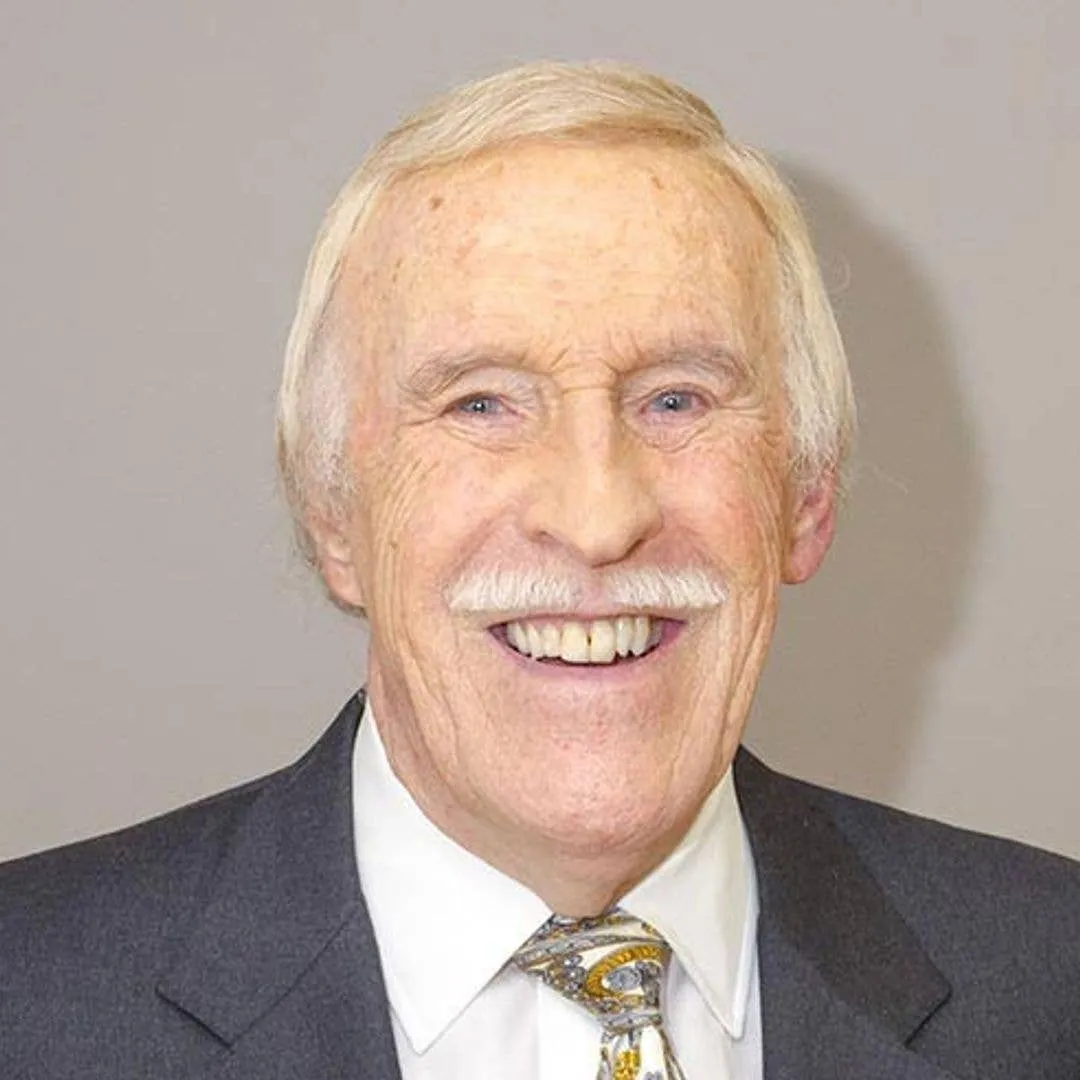 Photo: Bruce Forsyth, via images.hellomagazine.com
Welcome to modern British television, where everything old is new again, and commissioners have apparently developed a pathological fear of green-lighting anything that wasn't already successful thirty years ago.
It's not just The Generation Game, obviously. We've had Gladiators back with muscles intact but soul suspiciously absent. Crystal Maze returned with Richard Ayoade doing his best Richard O'Brien impression. Even Blind Date got wheeled out again, because apparently what the nation was crying out for was more awkward romantic encounters, just with different presenters.
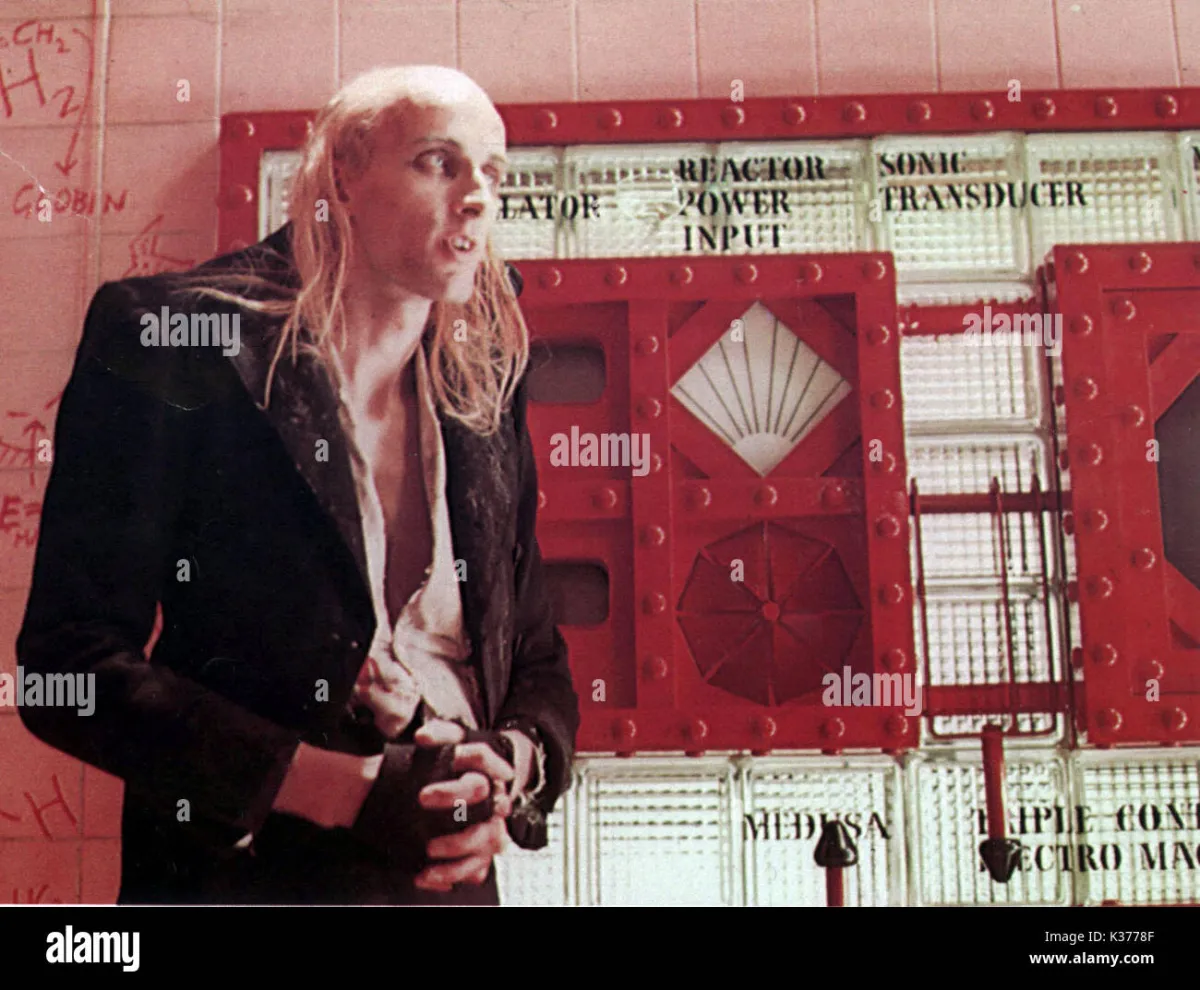 Photo: Richard O'Brien, via c8.alamy.com
The question isn't whether these reboots are good or bad – that's subjective, and frankly beside the point. The real question is: why has British television become so utterly terrified of original thought?
The Economics of Cowardice
Let's be brutally honest about what's happening here. Television commissioning has become the entertainment equivalent of a Conservative Party leadership contest: nobody wants to take risks because failure is career suicide, and success is measured entirely by not messing up too badly.
"Original formats are expensive and risky," explains one commissioning editor who spoke to us on condition of anonymity (because apparently even talking about this honestly is career suicide). "A reboot comes with built-in brand recognition, nostalgic goodwill, and a proven format. It's the safe option."
Safe. There's that word. British television, once the most adventurous and innovative in the world, has become obsessed with safety. We're the nation that gave the world Monty Python, The Office, and Big Brother, and now we're too scared to commission anything that doesn't have a Wikipedia page from the 1980s.
The financial logic is depressingly sound. Why spend months developing a new game show format when you can dust off an old one, slap a contemporary presenter on it, and rely on middle-aged viewers' fond memories to carry you through the ratings? It's television by committee, designed by accountants for an audience that supposedly can't handle change.
The Nostalgia Industrial Complex
But here's where it gets really insidious. The reboot economy has created its own ecosystem of consultants, format specialists, and 'brand guardians' whose entire job is to manage the resurrection of dead television.
"We've got people whose full-time job is maintaining the 'DNA' of shows that ended twenty years ago," reveals a format consultant who's worked on several high-profile revivals. "They know exactly which elements can be modernised and which are sacred. It's like television archaeology."
This isn't just about bringing back old shows; it's about creating an entire industry dedicated to mining the past. There are companies that exist solely to acquire the rights to defunct formats, polish them up, and sell them back to broadcasters who've forgotten how to create anything original.
The really depressing part? It works. Audiences do tune in, at least initially. The first episode of a beloved reboot will always get decent ratings, carried by curiosity and nostalgia. Whether they stick around is another matter entirely, but by then the commissioners have already moved on to resurrecting the next piece of television history.
The Presenter Merry-Go-Round
Of course, you can't bring back the dead (despite soap opera evidence to the contrary), so these reboots require new hosts to fill legendary shoes. And this is where things get properly awkward.
Watching someone try to recreate Bruce Forsyth's energy or Dale Winton's camp enthusiasm is like watching your dad try to use TikTok – technically possible, but painful for everyone involved. These new presenters aren't bad; they're just trying to inhabit someone else's television persona, and it shows.
"The problem is that these shows were often built around very specific personalities," notes a television critic who's covered the reboot phenomenon extensively. "You can recreate the format, but you can't recreate the magic. That was lightning in a bottle, and lightning doesn't strike twice."
The result is television that feels like a tribute act – technically proficient, occasionally entertaining, but fundamentally hollow. It's karaoke television: all the familiar songs, none of the soul.
The Audience Question
Here's the thing that really winds me up about this whole situation: the assumption that audiences are demanding these reboots. Are we? Really?
Every time a classic show gets announced for revival, social media explodes with a mixture of excitement and trepidation. People are pleased to see old favourites return, but they're also suspicious. They remember how good these shows were, and they're worried about having those memories tarnished by inferior resurrections.
"Nobody was sitting at home thinking, 'You know what we need? A new version of The Crystal Maze,'" argues one social media analyst. "But once it was announced, people got excited about it. There's a difference between creating demand and responding to it."
The real tragedy is what we're not getting because of this obsession with the past. How many brilliant new formats are being passed over because commissioners would rather play it safe with a proven quantity? How many innovative presenters are being overlooked because they don't fit the mould of whoever hosted the original?
The International Embarrassment
Meanwhile, other countries are laughing at us. While British television is busy reheating its own leftovers, places like South Korea are creating entirely new formats that get exported worldwide. K-dramas are conquering global streaming platforms, but we're still trying to work out whether we can make Noel's House Party work with someone who isn't Noel Edmonds.
 Photo: Noel Edmonds, via watchinamerica.com
"British television used to be the world's format factory," laments one industry veteran. "Now we're the world's format museum. We're so busy preserving our past that we've forgotten how to create a future."
It's not that other countries don't do reboots – they do. But they also commission original content at the same time. They understand that nostalgia is a garnish, not the main course.
The Creativity Crisis
What we're witnessing isn't just a television trend; it's a creativity crisis. An entire generation of commissioners and executives has grown up believing that safety is more important than innovation, that proven formulas are better than untested ideas.
But here's the paradox: all those classic shows that are now being rebooted were themselves risky, original ideas when they first aired. Someone, somewhere, had to take a chance on Bruce Forsyth hosting a game show, or on putting ordinary people in a maze with Richard O'Brien. Those shows became classics precisely because they were different, not because they were safe.
The Way Forward
So what's the solution? It's not to ban reboots entirely – some of them are genuinely entertaining, and there's nothing inherently wrong with updating classic formats for new audiences. The problem is proportion.
For every reboot, there should be three original commissions. For every nostalgic revival, there should be a dozen untested formats getting pilot episodes. British television needs to remember that its reputation was built on taking risks, not on playing it safe.
The irony is that audiences are probably more ready for original content than commissioners think. In an era of infinite choice and global streaming, the shows that cut through are the ones that offer something genuinely different, not the ones that remind us of what we used to watch.
British television once changed the world. Now it's too scared to change the channel. And that, frankly, is the real tragedy of our reboot obsession.