Death Means Nothing: The Great British Soap Opera Resurrection Racket

The Walking Dead of Weatherfield
In the hallowed halls of British television, there exists a peculiar form of immortality. Not the vampiric kind that haunts late-night BBC Three reruns, but something far more commercially driven: the soap opera character who simply refuses to stay dead.
Take a moment to consider the sheer audacity of it all. We've watched Ken Barlow survive everything short of nuclear apocalypse, seen the Mitchell family rise from more graves than a zombie film franchise, and witnessed Emmerdale characters return from 'certain death' with the casual frequency of a Northern Rail service announcement.
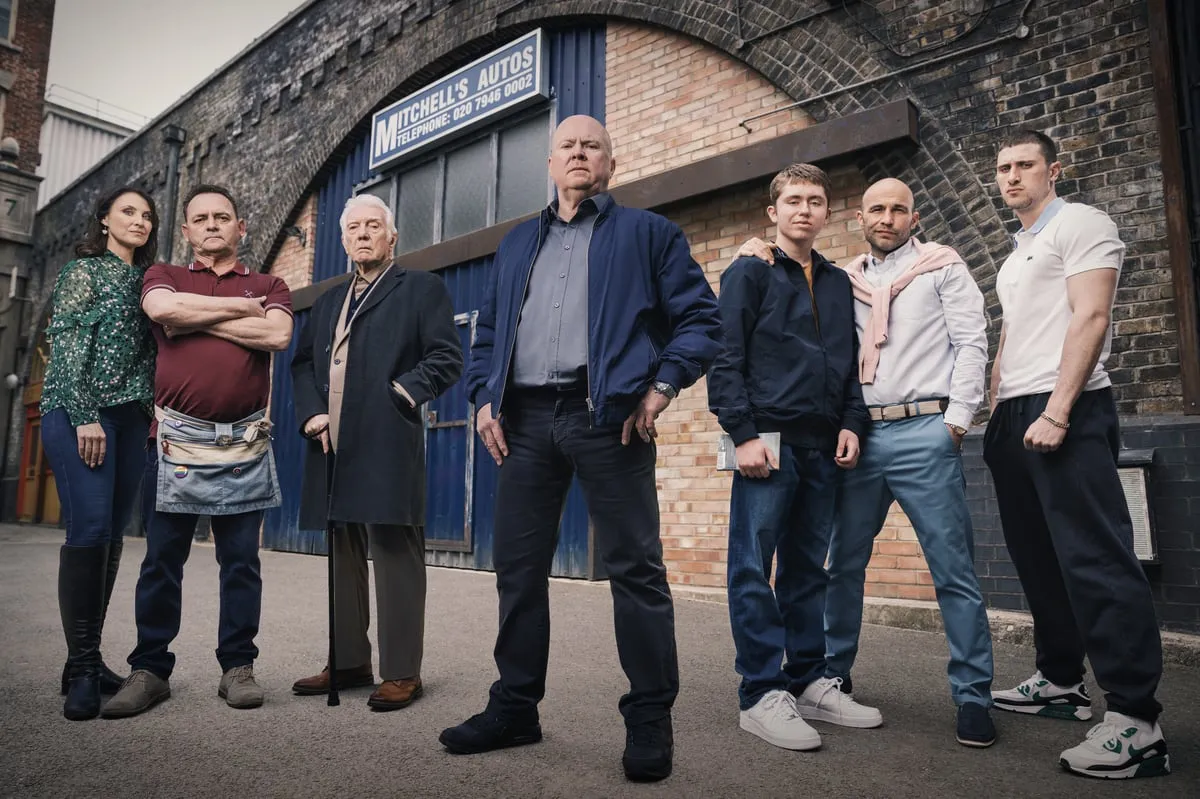 Photo: Mitchell family, via www.nationalworld.com
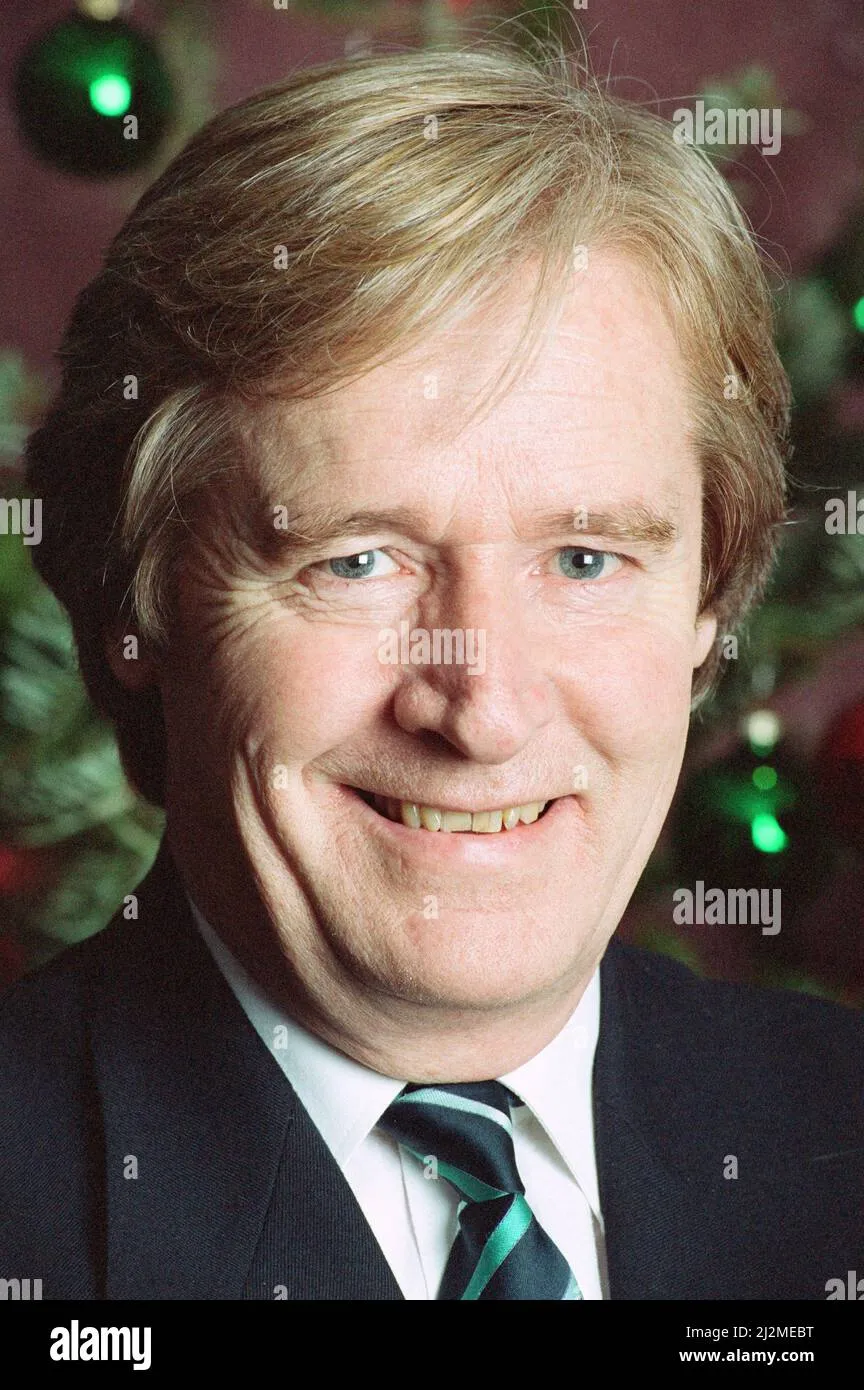 Photo: Ken Barlow, via c8.alamy.com
The truth is, British soaps have turned character resurrection into an art form so refined it would make Jesus weep into his fisherman's sandals.
The Economics of Eternal Returns
Behind every dramatic comeback lurks a spreadsheet that would make an accountant blush. When EastEnders' ratings dip below the magical seven million mark, suddenly that character who 'definitely' died in a car explosion starts looking remarkably healthy in flashback sequences.
"The moment a character becomes popular, they become commercially untouchable," reveals one former soap script editor, speaking on condition of anonymity because apparently even soap opera gossip comes with NDAs these days. "We've had actors 'killed off' in spectacular fashion only to be quietly written back in six months later because the merchandise sales were too good to ignore."
The Mitchell family alone has generated more comeback storylines than a boy band's farewell tour. Grant Mitchell has left Albert Square more times than a disgruntled customer exits a Wetherspoons, yet somehow keeps finding his way back like a homing pigeon with anger management issues.
The Fan Petition Industrial Complex
Social media has weaponised soap opera nostalgia into a force more powerful than a strongly-worded letter to Points of View. When Coronation Street dared to suggest that Gail Platt might actually age out of dramatic storylines, Twitter erupted with the fury of a thousand Yorkshire tea enthusiasts.
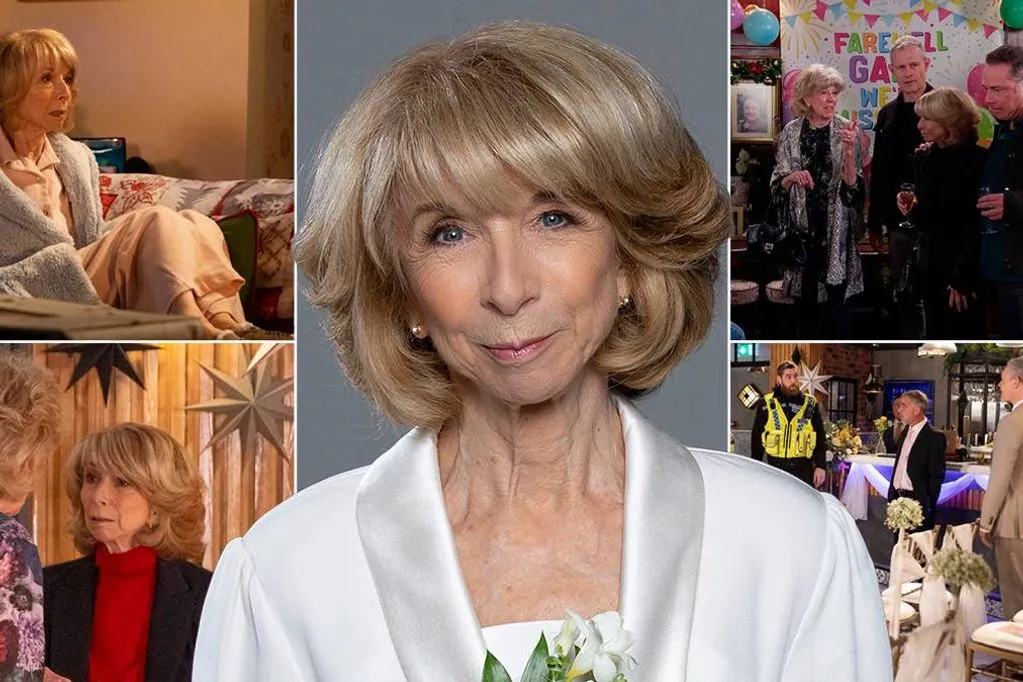 Photo: Gail Platt, via i2-prod.dailyrecord.co.uk
Fan campaigns now operate with the efficiency of political movements, complete with hashtags, petition drives, and the kind of organised outrage that would make Extinction Rebellion take notes. The #BringBackBecky movement generated more online engagement than most government policy announcements, proving that British viewers care more about fictional pub landlords than actual parliamentary proceedings.
"We track social media sentiment more closely than the Bank of England tracks inflation," admits a senior ITV executive. "If a character's death generates the wrong kind of buzz, we start planning their return before the funeral episode airs."
Contract Warfare and Creative Bankruptcy
The real drama happens in the contract negotiations, where actors play a high-stakes game of chicken with production companies who've built their entire business model around familiar faces.
When an actor threatens to leave for 'new challenges' (usually code for 'a slightly better offer from the other side'), soap producers deploy a arsenal of creative gymnastics that would impress Cirque du Soleil. Amnesia, evil twins, witness protection programmes – the British soap opera has exhausted more plot devices than a Mills & Boon convention.
"We once brought a character back from the dead by claiming they'd been in a coma for three years," laughs a former Emmerdale writer. "The audience just accepted it. British soap viewers have developed an immunity to logical storytelling that borders on the supernatural."
The Revolving Door of Dramatic Convenience
What's particularly brilliant about the British soap resurrection model is its shameless efficiency. Unlike American soaps, which at least attempt elaborate explanations involving plastic surgery and international conspiracies, British shows operate on a simpler principle: if viewers want someone back, logic becomes optional.
Coronation Street has perfected the art of the casual return. Characters simply reappear in the Rovers Return as if they've popped out for a packet of crisps rather than fled the country to escape murder charges. The show treats dramatic exits with all the permanence of a New Year's resolution.
The Cultural Impact of Immortal Characters
This resurrection culture has fundamentally altered British viewing expectations. We've been trained to treat every dramatic death as merely a extended holiday, every tearful farewell as a temporary inconvenience.
The result is a peculiar form of television where consequence means nothing and closure is just a word that other, inferior entertainment formats worry about. British soap operas have achieved something remarkable: they've created a universe where death is just another plot point, and retirement is simply a sabbatical with better pension planning.
In a country where everything else seems depressingly permanent – from council tax to the weather – perhaps there's something comforting about a form of entertainment where nothing ever really ends. After all, if Ken Barlow can survive sixty years of Weatherfield drama, maybe there's hope for the rest of us yet.