The Death Row Timeslots: Britain's Most Notorious TV Scheduling Black Holes That Keep Swallowing Shows Whole

The Death Row Timeslots: Britain's Most Notorious TV Scheduling Black Holes That Keep Swallowing Shows Whole
Every profession has its haunted locations. Sailors have the Bermuda Triangle. Estate agents have that one house on the corner everyone knows is cursed. And British television has its scheduling death zones — specific timeslots so comprehensively toxic that no show, regardless of budget, star power, or critical acclaim, has managed to survive them intact.
 Photo: Bermuda Triangle, via cdn.britannica.com
This is their story. And it is not a happy one.
The Sunday 9pm ITV Slot: Where Ambition Goes to Decompose
ITV has, over the years, displayed an almost admirable commitment to flinging prestige drama into Sunday's 9pm slot and watching it dissolve. The logic is sound on paper — Sunday evening, nation winding down, captive audience dreading Monday — but the reality has been a procession of expensive disappointments that read like a very sad highlights reel.
Commission after commission has arrived with fanfare, decent reviews, and a cast sheet that reads like a BAFTA nomination ceremony, only to haemorrhage viewers by episode three and quietly disappear without a second series. Insiders have long pointed to the fundamental problem: ITV's Sunday 9pm slot is positioned between the comfortable familiarity of Downton-era costume drama expectations and the grittier territory the channel increasingly wants to occupy. It satisfies neither audience fully.
"There's a viewer demographic that controls Sunday evening viewing and it is not who the commissioners think it is," one former ITV scheduler told us, requesting anonymity because apparently even retired television professionals fear the scheduling gods. "Sunday nights belong to a very specific type of viewer who wants comfort, not challenge. The moment you put something morally complex or formally unusual in that slot, you're essentially asking someone to do homework before bed."
Channel 4's Tuesday 10pm: Television's Witness Protection Programme
If ITV's Sunday slot is a graveyard, Channel 4's Tuesday 10pm is more of a witness protection programme — shows go in, change their identity trying to survive, and are never heard from again.
The slot has consumed documentaries, comedy dramas, and experimental formats with cheerful indifference to their quality. The problem here is structural rather than cursed: Channel 4's Tuesday audience at 10pm is among the most fragmented in British television, split between people who've already committed to something on Netflix, people who've fallen asleep, and a small but loyal group of genuine late-night telly devotees who will watch absolutely anything but are too few in number to register meaningfully in the overnights.
The shows that have been dispatched to this particular wilderness read like a roll call of interesting failures. Ambitious limited series. Bold new comedy voices. Documentaries that won awards at festivals and obituaries in the ratings. All consumed. None survived.
BBC Two's Post-Watershed Wednesday: The Intellectual's Trap
BBC Two has a specific curse that operates differently from its commercial rivals. Rather than killing shows through sheer audience indifference, the channel's mid-week post-watershed slot has a talent for taking critically beloved, intellectually ambitious programmes and turning them into the television equivalent of a book everyone claims to have read and nobody actually has.
The pattern is achingly familiar. A new BBC Two Wednesday drama arrives. The broadsheet critics go absolutely feral for it. Twitter (sorry, X — though 'X' still sounds like a rejected Bond villain's lair) erupts with think-pieces. The actual viewing figures are, to put it diplomatically, modest. The show wins a BAFTA. It does not get a second series.
"BBC Two's prestige slot is essentially a very expensive way of producing content for critics," says one former commissioning executive who has since moved, tellingly, into podcasting. "The audience that watches BBC Two at that time on a Wednesday is genuinely tiny and genuinely brilliant, but there aren't enough of them to justify the budgets that the ambition of those shows requires."
The Notorious BBC One 7:30pm: Where New Entertainment Formats Go to Be Humiliated
This one operates differently again. BBC One's 7:30pm slot — that curious no man's land between the news and the proper prime-time schedule — has become the specific location where the corporation sends new entertainment formats to be tested against an audience that is, to be charitable, not in an experimental mood.
Viewers at 7:30pm on BBC One want one of approximately three things: a quiz show they already know, a property programme, or something involving animals. What they consistently receive instead is the BBC's latest attempt to launch a new entertainment franchise that will revitalise Saturday evening television for a new generation. Reader, it never revitalises anything.
The specific cruelty of this slot is that it's not even obscure — it commands a reasonably large audience, which means shows fail publicly, their humiliation logged in the overnight ratings and gleefully reported by the television press the following morning.
Is It Actually Cursed, or Just Maths?
The honest answer — and we say this reluctantly because the conspiracy theory is much more entertaining — is that most of these slots reflect genuine structural realities about when British people watch television and what they want from it at specific times.
But then again, the structural reality argument doesn't fully explain why the same slots keep being used for the same types of content that keep failing in the same ways. At some point, institutional memory should kick in. At some point, a scheduler should look at the body count and think: perhaps we should try something different here.
The fact that they don't — that the same timeslots continue to receive the same types of programming and produce the same catastrophic results — does begin to suggest something beyond mere rational analysis. Call it institutional stubbornness. Call it budgetary constraint. Call it, if you're feeling dramatic about it, a curse.
The Shows That Almost Made It
The genuinely heartbreaking footnote to all of this is the quality of what's been lost. Buried in these scheduling black holes are shows that, had they landed in a different slot, on a different night, against different competition, might have become genuine British television landmarks.
Instead, they're footnotes. Mentioned in the same breath as scheduling decisions rather than creative achievements. Defined by when they aired rather than what they were.
Somewhere in a television archive, they're still running. In a better universe, someone is watching them.
In this one, they're just another victim of the timeslot.
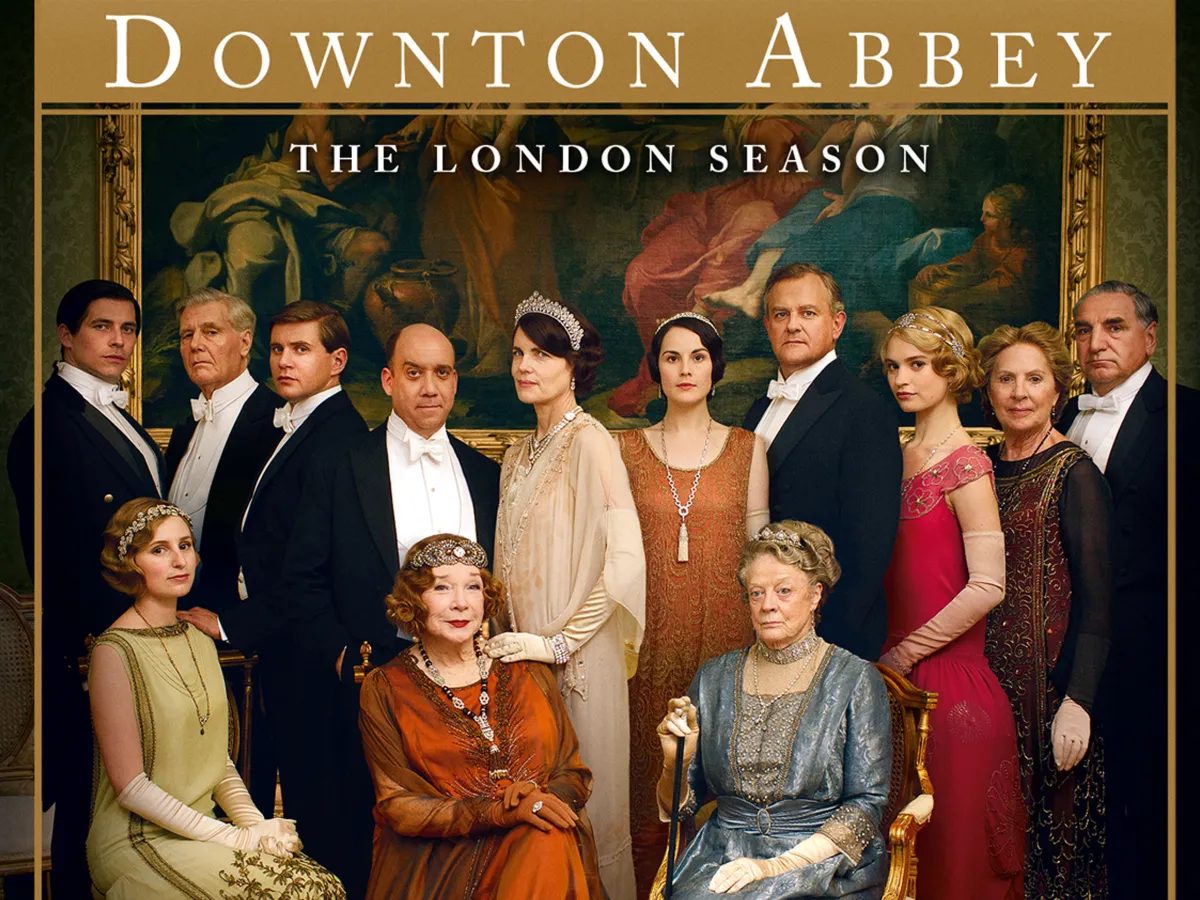 Photo: Downton Abbey, via images-na.ssl-images-amazon.com