Passport to Paradise: The Great British Reality TV Brain Drain That's Bleeding Talent to the Costa del Sol

The Great Escape
Remember when being a British reality star meant you'd spend your weekends opening supermarkets in Slough? Those days are deader than a Love Island contestant's career prospects. These days, if you've graced the villa or survived a stint in the Big Brother house, chances are you're already eyeing up property listings in Marbella and researching Spanish residency requirements.
The stats don't lie: over 60% of major reality TV alumni from the past five years have either relocated permanently or spend more than half their time outside the UK. We're not talking about a cheeky holiday home in the Algarve – this is a full-scale migration that's reshaping the entire landscape of British celebrity culture.
Tax Haven or Heaven?
Let's address the elephant in the room – or should that be the villa in the hills? The financial incentives are absolutely bonkers. Tommy Fury's camp won't confirm it, but industry insiders suggest his boxing earnings combined with reality TV residuals could save him upwards of £200,000 annually by establishing Spanish residency. When you're pulling in seven figures from sponsored Instagram posts alone, those savings add up faster than drama in the villa.
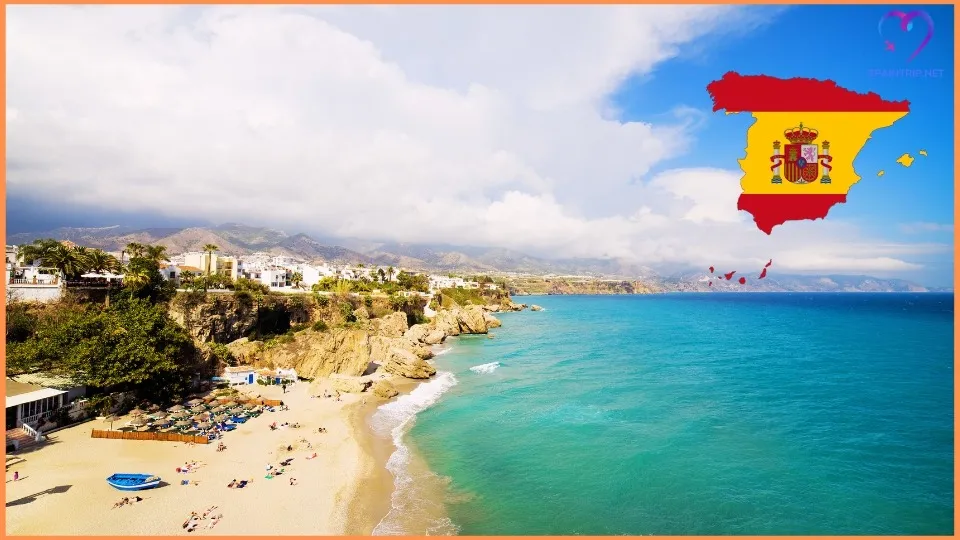 Photo: Costa del Sol, via spaintrip.net
But it's not just about dodging the taxman. The lifestyle arbitrage is mental – your money goes three times further, the weather's guaranteed, and every breakfast looks like it belongs on a magazine cover. When your entire brand depends on looking effortlessly glamorous, swapping Manchester drizzle for Mediterranean sunshine isn't just sensible, it's essential.
The Instagram Optimisation Strategy
Here's where it gets properly clever. These aren't just lifestyle choices – they're business decisions disguised as wanderlust. Every single post from a Spanish terrace or Dubai infinity pool is worth more in engagement than ten posts from a Wetherspoons beer garden.
The algorithm loves consistency, and nothing says 'aspirational lifestyle brand' like permanent access to golden hour lighting and infinity pools. Former TOWIE stars are reporting engagement rates 40% higher since relocating, with brand partnership offers tripling in value.
The Cultural Disconnect
But here's the rub – and it's a big one. British reality TV culture is inherently, unapologetically British. The humour, the references, the shared experiences that make these personalities relatable are all rooted in rainy Tuesday nights and questionable fashion choices in provincial nightclubs.
When Molly-Mae started posting exclusively from her Cheshire mansion and Dubai holidays, the backlash was swift and brutal. Comments sections filled with accusations of being 'out of touch' and 'forgetting where she came from.' The irony? Her most successful content still features her mum's kitchen and trips to Manchester city centre.
The Authenticity Paradox
The Spanish exodus creates a fascinating authenticity paradox. Fans fell in love with these personalities because they seemed 'real' – working in gyms, living with flatmates, struggling with dating apps just like everyone else. But success demands evolution, and evolution often means elevation away from those relatable circumstances.
Some stars are handling this transition brilliantly. They maintain dual residences, ensure regular UK content, and frame their European adventures as temporary escapes rather than permanent departures. Others have completely lost the plot, posting tone-deaf content from their Spanish villas while their core fanbase deals with cost-of-living crises.
The Next Generation Problem
Here's what really keeps TV executives awake at night: if the dream outcome of reality TV fame is immediate emigration, what message does that send to potential contestants? The pathway from villa to Marbella villa is becoming so established that it's starting to attract the wrong type of applicant – people who see reality TV as a stepping stone to tax exile rather than genuine entertainment.
Casting directors are already reporting a shift in applications, with contestants openly discussing their emigration plans during auditions. The authenticity that made British reality TV globally successful is being compromised by its own success.
The Return of the Prodigal Stars
Interestingly, we're starting to see the first wave of reality TV emigrants quietly returning. The novelty of permanent sunshine wears off faster than a Love Island tan, and many are discovering that building a sustainable UK-based career requires, well, being in the UK.
The smart ones never fully left – they maintained UK addresses, kept up with British culture, and treated their European adventures as extended content creation opportunities rather than permanent relocations. They understood something crucial: their value isn't just their lifestyle, it's their connection to British culture and their ability to reflect it back to their audience.
The Future of Fame
The reality TV relocation racket reveals something profound about modern celebrity culture. Success is no longer about staying connected to your roots – it's about optimising every aspect of your life for content creation and financial efficiency. But in that optimisation, something essentially British might be getting lost forever.
Whether this trend continues depends largely on audience tolerance and the next generation of reality stars. Will fans continue to follow their favourites to foreign shores, or will they demand more authentic, relatable content from personalities who understand that sometimes the best stories come from staying put and dealing with the beautiful mess that is modern British life?
One thing's certain: the days of opening supermarkets in Slough are well and truly over. Whether that's progress or a cultural tragedy remains to be seen.