Pod Save Yourselves: Britain's Z-List Celebrity Podcast Avalanche Is Coming and It Will Not Be Stopped
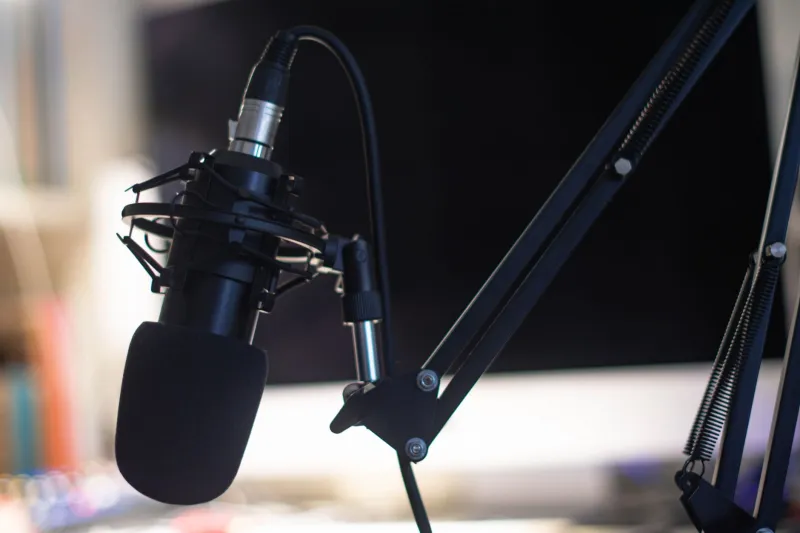
Somewhere in Britain right now — probably in a spare bedroom with acoustic foam panels bought from Amazon and installed with cheerful incompetence — a person you vaguely recognise from a 2019 series of a reality show is recording their podcast. They have strong opinions about the wellness industry, a friend who works in finance who they want to interview, and an absolute certainty that the world has been waiting for their unfiltered thoughts.
They are, statistically speaking, about six months away from quietly deleting the RSS feed and never mentioning it again.
Welcome to Britain's celebrity podcast bubble — the most crowded, most delusional, and occasionally most brilliant corner of the entire entertainment landscape.
The Numbers Don't Lie (But the Pitches Do)
Spotify currently hosts somewhere in the region of five million podcasts globally. A significant and growing proportion of those were launched by people whose primary qualification is having once appeared on a programme that aired after 9pm on a digital channel. The barrier to entry is, to put it charitably, low. A halfway decent USB microphone runs to about £80. Editing software is free. Distribution costs nothing. The result is an ecosystem that combines the democratic accessibility of a open mic night with the quality control of one.
"The pitches got genuinely extraordinary during lockdown and they never really went back to normal," says Marcus Webb, an independent podcast producer who has worked with both household names and enthusiastic unknowns across the past decade. "The template became very obvious very fast. Everyone wanted to do a 'no filter, real conversations' show. Everyone believed their particular take on life experience was the missing piece of the cultural conversation. And everyone had watched Joe Rogan's Spotify deal get reported and done some very ambitious mental arithmetic."
The Rogan deal — reportedly worth $250 million at its peak — was, it turns out, a uniquely terrible benchmark for anyone trying to model their own podcasting future. But that hasn't stopped the dreaming.
The Anatomy of a Doomed Celebrity Podcast
There is a recognisable lifecycle to the celebrity podcast that didn't quite make it, and it follows a trajectory as predictable as a Strictly semi-final result.
Week one: a slick trailer drops, accompanied by an Instagram post about how "excited and terrified" the host is to finally share this passion project. The production values are surprisingly high — someone has clearly spent money. There are tasteful graphics. A Spotify exclusive deal is hinted at.
Weeks two through eight: episodes arrive with genuine regularity. Guests are decent. The host is finding their feet. Comments are positive, if thin on the ground.
Weeks nine through fourteen: the gap between episodes begins to stretch. An episode arrives apologising for the gap between episodes. A guest cancels and is replaced with someone the host clearly texted the night before.
Week fifteen: silence. The Instagram account pivots to gym content. The podcast is never officially cancelled — it simply stops, like a conversation at a party when someone more interesting walks in.
"The ones that fail usually fail for the same reason," notes Webb. "The celebrity thought the audience would follow them regardless of format or content. But podcast listeners are remarkably disciplined. If you're not giving them something specific and consistent, they're gone within three episodes."
The Pitches: A Brief, Horrifying Tour
We asked several podcast producers and commissioners — all speaking anonymously, because this industry is smaller than it looks — to describe the most memorable pitches they'd received from celebrity hopefuls. The results were illuminating.
One former X Factor contestant pitched a podcast about "manifesting your dreams" despite, by the pitcher's own admission, having spent the previous two years manifesting primarily a mortgage arrears notice. A retired Premier League footballer proposed a true crime series on the basis that he "really got into it" during pre-season. One beloved soap actress — and we say this with genuine affection — submitted a seventeen-page treatment for a podcast about "the intersection of astrology and geopolitics" that her agent had apparently read and approved without comment.
"The ones I feel genuinely bad about are the people who've clearly put real money in upfront," says one commissioning editor at a mid-size audio production company. "They've hired a producer, built a studio setup, sometimes commissioned original music. And the concept is just... not there. It's someone who's famous talking about being famous, which works for about four people in the world."
When It Actually Works
To be fair — and Go Gossip UK is nothing if not occasionally fair — the format has produced genuine British success stories that deserve their flowers.
MyHusbandIsAnnoyingPodcast emerged from complete obscurity to rack up millions of downloads on the back of a specific, relatable premise executed with consistent wit. Off Menu with Ed Gamble and James Acaster found a format so perfectly calibrated to its hosts' chemistry that it became essentially critic-proof. Table Manners with Jessie Ware built a devoted following by doing something radical: being genuinely warm and interesting rather than performatively unbothered.
The common thread? A clear concept, a consistent format, and hosts who understood that a podcast is a relationship with an audience rather than a broadcast at one.
"The celebrities who succeed treat it like a craft," says Webb. "The ones who fail treat it like a side hustle that should be generating passive income by month three."
The Reckoning Approaches
Spotify's own data suggests that the vast majority of podcasts never make it past episode three. The advertising market for anything outside the top tier is increasingly brutal. And audiences, spoilt for choice, have developed a ruthless efficiency when it comes to cutting underperformers from their queues.
Somewhere, the bubble is tightening. The era of "any celebrity plus a microphone equals a podcast deal" is quietly ending as platforms become more selective and advertisers more demanding.
The spare bedrooms will still be there, though. The ring lights will remain plugged in. And the absolute, unshakeable conviction that this time, this particular celebrity's unfiltered thoughts will change the medium forever?
That, it seems, is genuinely indestructible.