Army of Obsession: The Fan Armies That Now Hold British Celebrity Careers in Their Perfectly Manicured Hands
The Rise of the Digital Militia
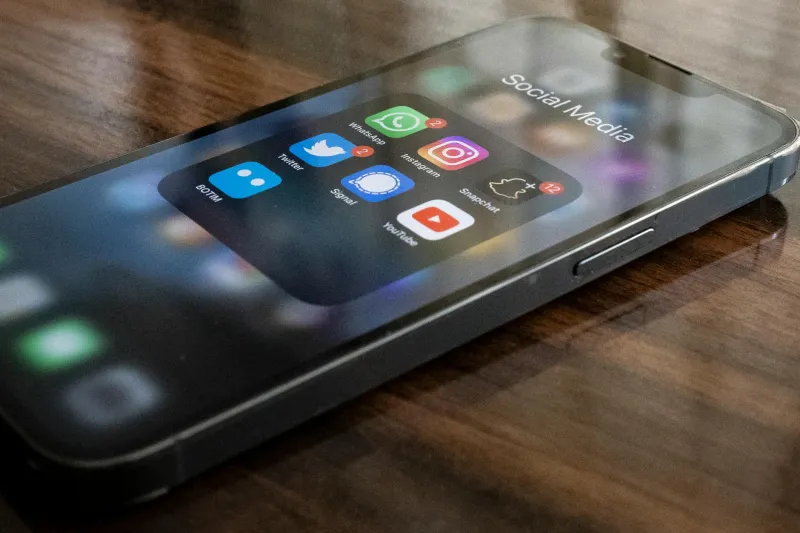
Forget the days when being a fan meant buying a poster and maybe queuing for an autograph. Today's British superfans operate like military units with the organisational skills of MI5 and the ruthless efficiency of Amazon's logistics department. They've got WhatsApp war rooms, Twitter battle plans, and enough coordinated fury to make a medieval crusade look like a village fete committee meeting.
We're not talking about your garden-variety enthusiasts here. These are the digital natives who've turned celebrity worship into a precision science, complete with spreadsheets tracking voting patterns, algorithms predicting media coverage, and communication networks that would make the Pentagon weep with envy.
The transformation didn't happen overnight. It started innocently enough – a few dedicated fans creating online spaces to discuss their favourite celebrities. But somewhere between the birth of social media and the death of traditional gatekeepers, these communities mutated into something far more powerful and infinitely more terrifying.
The Strictly Switchboard Siege
Take the infamous Strictly Come Dancing voting controversies that now plague the show with clockwork regularity. What used to be disappointed grumbling in the pub has evolved into coordinated campaigns that can crash BBC switchboards faster than you can say 'Craig Revel Horwood.'
 Photo: Craig Revel Horwood, via designdailys.com
 Photo: Strictly Come Dancing, via image.slidesharecdn.com
When a beloved celebrity gets booted off the show, their fan armies don't just complain – they mobilise. Phone lines get jammed, social media explodes with hashtag campaigns, and suddenly the BBC finds itself having to issue carefully worded statements about 'the democratic nature of public voting' while secretly wondering if they need to hire additional security.
The really sophisticated fan bases have learned to game the system. They organise voting blocs, share tactical advice about multiple voting methods, and even coordinate international fans to participate where possible. It's like watching a general election campaign, except the stakes are a glitterball trophy and national bragging rights.
The Twitter Pile-On Playbook
But it's on Twitter where these fan armies really flex their muscles. A single perceived slight against their chosen celebrity can trigger coordinated responses that would make professional PR teams weep. Thousands of accounts suddenly materialise, all posting suspiciously similar messages, all using the same hashtags, all targeting the same individuals with surgical precision.
The playbook is always the same: identify the threat, coordinate the response, overwhelm the target. Journalists who write unflattering reviews find their mentions flooded with abuse. TV commissioners who make unpopular decisions discover their every historical tweet being forensically examined for ammunition. Critics who dare suggest their idol might be fallible get buried under an avalanche of screenshots, receipts, and righteous indignation.
What makes these campaigns particularly effective is their ability to maintain plausible deniability. It's never organised harassment – it's just thousands of individual fans who all happened to have the same idea at exactly the same time. The mob mentality gets disguised as grassroots passion.
The Casting Coup
Perhaps most remarkably, these fan armies have started influencing actual casting decisions. When rumours circulate about potential replacements for beloved TV personalities, the fan response can be so swift and brutal that producers quietly shelve their plans rather than face the backlash.
It happened with Top Gear after Jeremy Clarkson's departure – every potential replacement got subjected to such intense scrutiny and often hostility that the BBC struggled to find anyone willing to take on the poisoned chalice. It's happening now with various reality TV shows where fan favourites get eliminated – the producers find themselves caught between the democratic process of voting and the undemocratic process of fan intimidation.
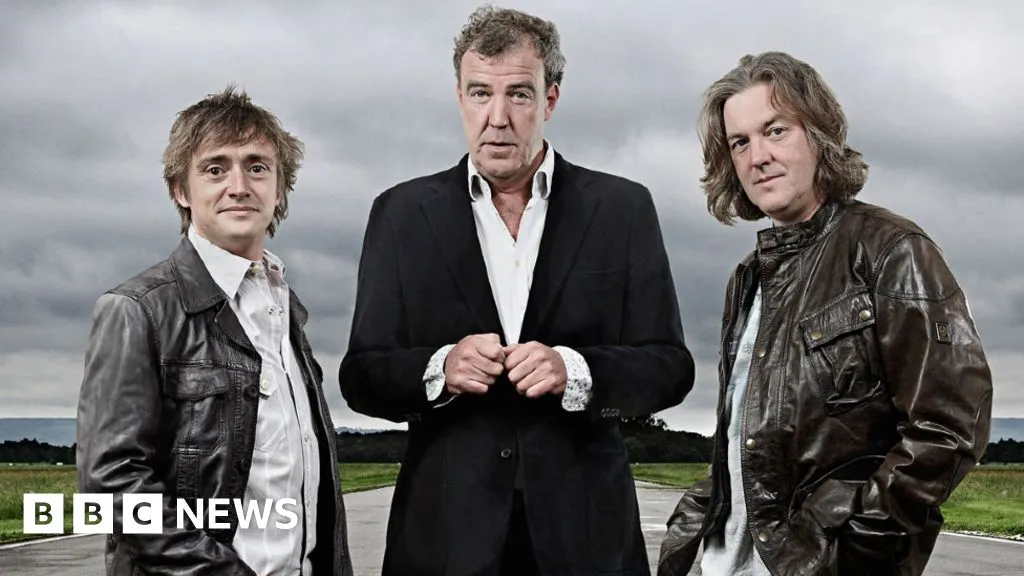 Photo: Top Gear, via ichef.bbci.co.uk
The irony is delicious: shows that depend on audience engagement are discovering that audiences can be engaged to the point of toxicity. The very passion that makes these programmes successful has become a weapon that can be turned against their creators.
Brand Deal Blackmail
The commercial implications are even more staggering. Fan armies have learned that hitting celebrities and shows in the wallet is often more effective than hitting them in the headlines. Coordinated boycotts of sponsors, mass complaints to advertisers, and sustained campaigns against brand partners can achieve what traditional criticism never could.
When a celebrity does something that offends their fanbase – or worse, when they fail to do something their fanbase demands – the economic consequences can be swift and severe. Brands are increasingly reluctant to associate with anyone who comes with a particularly militant fanbase, no matter how popular they might be.
It's created a bizarre situation where being too beloved can actually be a commercial liability. The more passionate your fans, the more likely they are to turn on anyone they perceive as threatening your interests – including, paradoxically, you yourself if you disappoint them.
The Celebrity Stockholm Syndrome
The really twisted aspect of this whole phenomenon is how it's affecting the celebrities themselves. Many find themselves trapped in a weird form of Stockholm syndrome with their own fan bases, terrified of disappointing the very people who claim to support them.
Every public statement gets scrutinised for potential fan reaction. Every career decision gets filtered through the lens of 'but what will the stans think?' The celebrities become prisoners of their own success, unable to evolve or take risks because their fan armies have invested too much emotional capital in a particular version of their personality.
Some celebrities have tried to push back against this dynamic, asking their fans to dial down the aggression and respect other people's opinions. The results are usually catastrophic – nothing enrages a fan army quite like being told to behave by the very person they're trying to defend.
The Publicist's Nightmare
Spare a thought for the poor publicists trying to navigate this minefield. Traditional PR strategies are useless when dealing with fan armies that operate according to their own internal logic and refuse to recognise conventional authority structures.
You can't negotiate with a mob that doesn't have official leadership. You can't reason with people who view any criticism of their idol as a personal attack. And you certainly can't control a narrative when thousands of people are simultaneously creating alternative versions of events in real-time.
Many publicists have simply given up trying to manage fan armies, instead focusing on damage limitation and hoping the storm passes quickly. It's like being a meteorologist in a hurricane – you can track the destruction, but you can't stop it.
The Future of Fandom
As these fan armies become more sophisticated and more powerful, they're fundamentally changing the relationship between celebrities, media, and audiences. The traditional gatekeepers – critics, journalists, industry professionals – are finding their influence diminished by the sheer volume and intensity of fan engagement.
It's democratisation of a sort, but it's also the tyranny of the most passionate minority. The loudest voices aren't necessarily the most representative, but they're definitely the most effective at getting what they want.
Where this all leads is anyone's guess. Will fan armies eventually burn themselves out through their own extremism? Will celebrities find ways to reclaim agency over their own careers? Or are we heading towards a future where entertainment decisions are made not by creative professionals, but by whoever can mobilise the most Twitter accounts?
One thing's for certain: the age of passive fandom is dead and buried. In its place, we have something far more active, far more organised, and far more terrifying than anything the entertainment industry was prepared for. The fans have taken control, and they're not giving it back anytime soon.