Pixels Over Pennines: The AI Invasion Killing British TV's Soul
The Death of Authenticity
British television built its reputation on one simple truth: authenticity. Whether it was Heartbeat's Yorkshire villages, Doctor Who's Cardiff quarries masquerading as alien worlds, or Sherlock's London streets, our telly felt real because it was real. But behind the scenes, a quiet revolution is underway that threatens to turn our most beloved shows into digital phantoms.
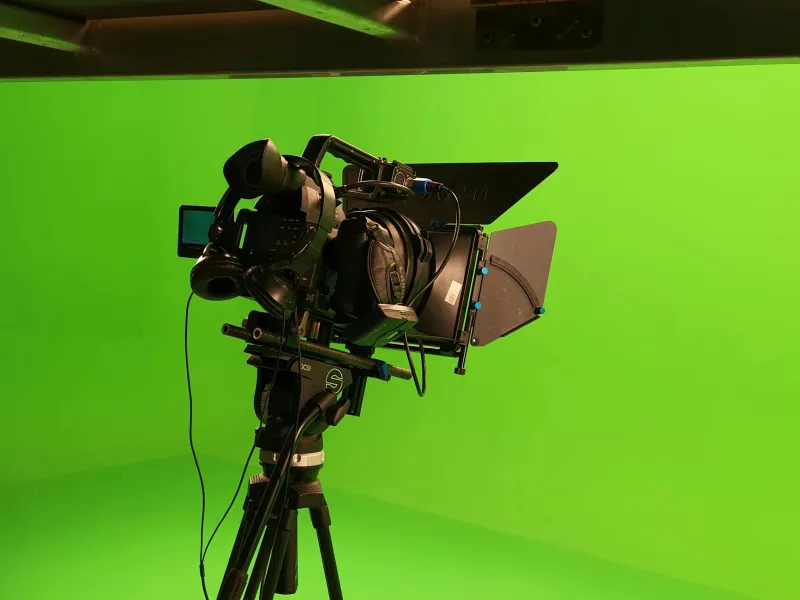
Producers are increasingly swapping genuine British locations for AI-generated environments and LED wall technology, the same virtual production methods that Disney uses for The Mandalorian. The savings are enormous – no location fees, no weather delays, no travel costs. But what are we actually losing in the process?
The Numbers Game
A typical period drama location shoot in the Cotswolds can cost upwards of £50,000 per day once you factor in permits, security, crew accommodation, and the small army of people needed to transform a modern village back to 1890. Compare that to a virtual production stage where the same scene can be "shot" for under £10,000, with perfect lighting and weather conditions guaranteed.
It's a producer's dream and a location manager's nightmare. Industry insiders estimate that 30% of British productions now use some form of virtual background technology, up from virtually zero just five years ago. The BBC has quietly invested millions in virtual production capabilities at their Cardiff studios, while ITV has been experimenting with AI-generated establishing shots for some of their biggest shows.
The Uncanny Valley of British Telly
Here's the problem: audiences can sense something's off, even when they can't quite put their finger on it. That slightly too-perfect Yorkshire pub, the London street that feels just a bit too clean, the Scottish highlands that look like they've been painted by a computer that's never felt rain.
The technology is impressive, but it lacks the happy accidents that make British television magical. No unexpected weather, no curious locals wandering into shot, no authentic wear and tear that tells the story of a place. Everything becomes a bit too polished, a bit too controlled.
The Casualty of Creativity
Talk to any veteran British television director and they'll tell you the same thing: some of their best moments came from embracing the chaos of location shooting. The sudden downpour that added drama to a scene, the medieval church that suggested a plot twist, the local who became an impromptu extra.
Virtual production removes all of that serendipity. Every element is pre-planned, pre-designed, pre-approved. The result might be more efficient, but it's also more sterile. British television is losing its capacity for surprise, and surprise has always been one of our greatest strengths.
The Regional Ripple Effect
The shift to virtual production isn't just an aesthetic issue – it's an economic one. Location shooting spreads television money across the entire country. A period drama filming in Bath employs local caterers, security guards, drivers, and extras. It brings tourism and prestige to regions that desperately need both.
Virtual production centralises everything back to major studios in London and Cardiff. The economic benefits that television production once spread across Britain are now concentrated in a handful of purpose-built facilities. It's another blow to the regions at a time when they can least afford it.
The AI Arms Race
The technology is advancing so rapidly that what seems impossible today will be routine tomorrow. AI can now generate photorealistic backgrounds in real-time, adapting to camera movements and lighting changes instantaneously. Some productions are already using AI to "enhance" real locations, removing modern intrusions or changing weather conditions in post-production.
But there's a darker side to this arms race. As the technology becomes more sophisticated, it becomes harder to tell what's real and what isn't. Are we heading towards a future where British television becomes entirely artificial, where every cobblestone and countryside vista is generated by an algorithm?
The Resistance Movement
Not everyone is embracing the virtual revolution. Some of Britain's most successful showrunners are actively resisting the pressure to go digital. They argue that authenticity isn't just about aesthetics – it's about performance. Actors respond differently to real environments, and that difference translates to better television.
"You can't fake the feeling of being in a 500-year-old building," one anonymous BBC drama producer told us. "The actors know it's real, the crew knows it's real, and somehow the audience knows it too. That energy comes through the screen."
The International Threat
Here's what should really worry British television executives: our international competitors aren't making the same mistake. Korean productions still embrace authentic locations, as do many European dramas. If British television loses its distinctive sense of place, what exactly are we selling to the global market?
Our locations have always been part of our brand. American audiences don't just watch British shows for the accents and the storytelling – they watch them for the castles, the countryside, and the rain-soaked streets. If we replace all of that with digital facsimiles, we risk becoming just another content provider in an increasingly crowded market.
The Point of No Return
The transition is happening so gradually that most viewers haven't noticed yet. But industry insiders predict that within five years, the majority of British television will be shot on virtual stages. The question isn't whether this will happen – it's whether we'll recognise British television when it does.
Perhaps there's still time to find a balance, to use technology to enhance rather than replace the authentic British landscapes that made our television famous. But that would require producers to value character over cost-cutting, and in an industry under increasing financial pressure, that's becoming a harder argument to make.
The green screen graveyard is expanding every day, and with each authentic location that gets replaced by pixels, British television loses a little more of its soul.