Smoke and Mirrors: The Fake Rich Life Economy Fooling Your Instagram Feed
The Potemkin Village of British Celebrity
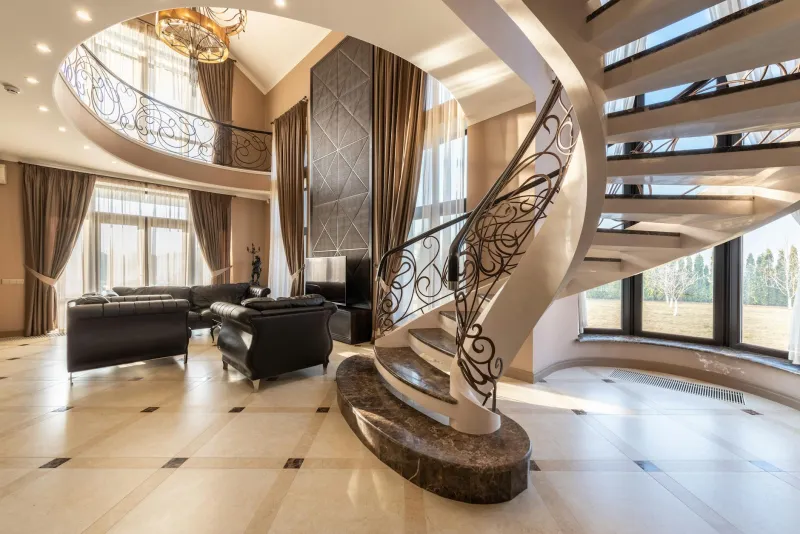
Let's talk about Sarah, a Love Island alumna with 800,000 Instagram followers who posts daily from what appears to be her sprawling Cheshire mansion. There's the marble kitchen island where she makes her morning smoothies, the walk-in wardrobe stuffed with designer gear, and the infinity pool where she poses in bikinis that cost more than most people's monthly rent.
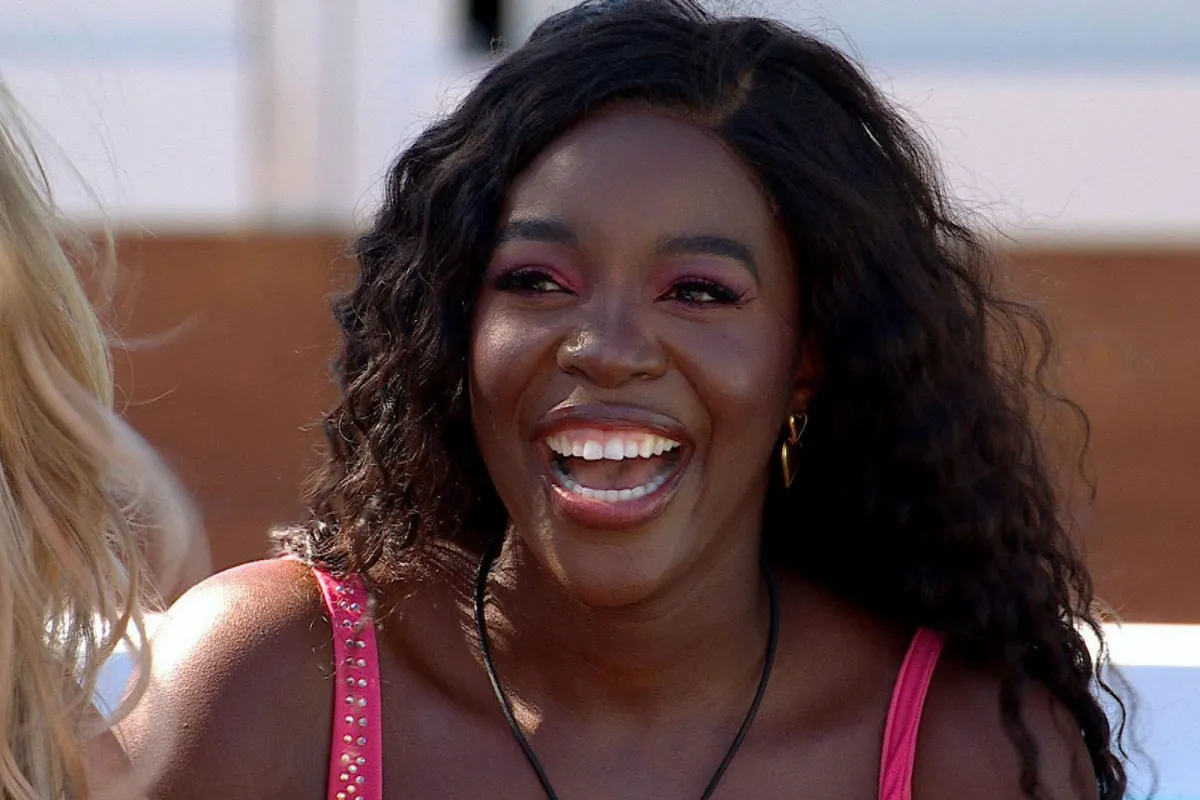 Photo: Love Island, via media.glamourmagazine.co.uk
Here's the thing: none of it belongs to her.
The mansion? Rented by the day from a company that specialises in 'lifestyle locations' for influencers. The designer wardrobe? On loan from brands who collect everything back within 48 hours. Even that kitchen island is technically the property of a furniture rental company that charges £200 a week for the privilege of pretending it's yours.
Welcome to Britain's fake lifestyle economy, where the appearance of wealth has become more valuable than actual wealth, and where an entire industry has sprung up to help celebrities live lies they can't afford.
The Economics of Illusion
"We've got clients spending £5,000 a month to look like they're worth £5 million," explains Marcus, who runs one of London's premier 'lifestyle curation' agencies. "It's cheaper than actually being rich, and for their purposes, it's just as effective."
The maths is surprisingly simple. Why buy a £50,000 handbag when you can borrow one for a photoshoot and return it the same day? Why purchase a mansion when you can rent one for content creation at a fraction of the cost? The Instagram post lasts forever; the rental agreement expires on Tuesday.
This isn't just about a few reality TV stars playing dress-up. We're talking about a systematic reimagining of how celebrity lifestyle content gets made. From former TOWIE cast members to YouTube millionaires, Britain's most followed personalities are increasingly living in a hall of mirrors where nothing is quite what it seems.
The Rental Mansion Circuit
Drive through the wealthy enclaves of Surrey, Hertfordshire, or Cheshire, and you'll spot them: the houses that appear in dozens of different influencers' content, each one claiming it as their own slice of paradise.
"We've got properties that are basically film sets now," says Emma, who runs a high-end property rental business. "The owners live abroad six months of the year, and we rent their places out to influencers and celebrities for content creation. Everyone wins."
These aren't your typical holiday lets. They're specifically kitted out for social media production, with ring lights built into the bedroom ceilings, camera-friendly kitchens, and Instagram walls designed to look effortlessly luxurious. Some properties even come with a 'content package' – pre-arranged furniture, artwork, and accessories that can be swapped out to match different personalities' brands.
"I had one client who wanted to look 'old money," Emma continues. "We brought in antique furniture, oil paintings, even a fake family crest. Three days later, different client wanted 'new money' vibes, so we swapped everything out for chrome and marble. Same house, completely different story."
The Designer Loan Shark Economy
But it's not just property. The fashion side of this economy is even more sophisticated. Luxury brands have cottoned on to the fact that one Instagram post from the right influencer is worth more than a dozen traditional advertising campaigns. So they've developed an entire ecosystem of 'brand loans' – designer pieces that get shipped out for specific events or photoshoots, then collected the moment the content goes live.
"We track everything with GPS tags now," admits one luxury brand's social media manager. "Bags, shoes, jewellery, even sunglasses. The moment the agreed posting period ends, we want our stuff back."
Some influencers have become so sophisticated at this game that they're essentially running their own mini rental businesses. They'll borrow a £10,000 dress for an event, wear it for photos, then immediately lend it to another influencer for their content, taking a cut of any brand partnerships that result.
The Kitchen Appliance Conspiracy
Perhaps the most absurd aspect of this fake lifestyle economy is what insiders call 'appliance theatre.' Those gleaming coffee machines, stand mixers, and juice extractors that feature in so many celebrity kitchen content? Most of them are on short-term loan from brands desperate for organic product placement.
"I had a client who was 'gifted' a £3,000 coffee machine for content," reveals a brand partnership manager. "She posted about her 'morning routine' for two weeks, then we collected it back. She probably doesn't even drink coffee."
The really professional influencers have this down to a science. They'll coordinate with multiple brands to create the appearance of a fully-equipped luxury kitchen, film a month's worth of content in a single weekend, then return everything before the rental periods expire.
The Psychological Cost
What's fascinating – and slightly depressing – is how this fake lifestyle economy is affecting the influencers themselves. Several celebrities we spoke to (anonymously, obviously) described feeling trapped by the illusions they've created.
"You start believing your own hype," admits one former reality TV star. "I was living in this beautiful house, wearing amazing clothes, but none of it was real. When the cameras stopped rolling, I went back to my one-bedroom flat in Romford. The cognitive dissonance was exhausting."
Others describe the constant pressure to maintain the illusion. "Everything has to be returned in perfect condition," explains another influencer. "You can't actually live in these places or wear these clothes. You're basically a very expensive mannequin."
The Audience Awakening
The question is: how long can this charade continue? Audiences are becoming increasingly savvy about influencer marketing tactics, and eagle-eyed followers have started spotting when the same designer pieces or luxury locations appear across multiple celebrities' feeds.
"There are entire Instagram accounts dedicated to tracking which influencers are wearing the same 'borrowed' outfits," notes one social media analyst. "The jig is slowly being exposed."
Some influencers are getting ahead of this by being more transparent about brand partnerships and borrowed items. But for many, the fear is that honesty might shatter the aspirational fantasy that their followers are buying into.
The Future of Fake
As this economy matures, it's becoming more sophisticated and, paradoxically, more honest. Some rental companies are now marketing directly to consumers, offering 'influencer packages' for regular people who want to create their own luxury content.
"Why should celebrities have all the fun?" asks one entrepreneur who's launching a 'lifestyle rental' app. "For the price of a nice dinner, you can spend a day living like a millionaire and create content that makes you look successful."
It's a logical evolution of an economy built on the premise that appearing wealthy is more important than actually being wealthy. The question is whether, in democratising fake luxury, we're solving the problem or simply making it worse.
For now, though, the show goes on. Every morning, across Britain, influencers wake up in houses they don't own, put on clothes they'll return by evening, and create content that perpetuates the greatest magic trick of the social media age: making nothing look like everything.