Humble Pie, Massive Profits: The Daytime TV Chefs Who Are Quietly Running British Food Culture
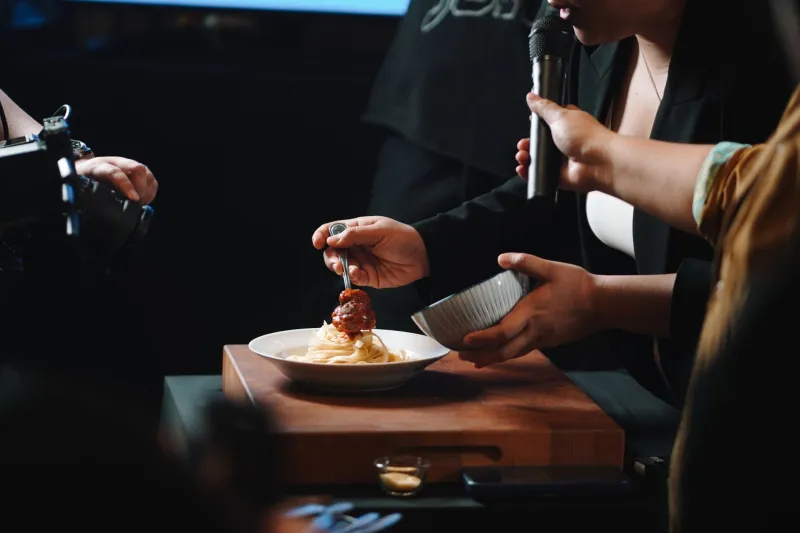
Forget the celebrity chef with the restaurant empire and the Netflix special and the signature truffle oil that costs more than your weekly shop. The most commercially powerful food personality in Britain right now is almost certainly someone you watched while eating cereal at half ten on a Tuesday, standing in your kitchen in yesterday's tracksuit, vaguely wondering if you could actually pull off a midweek beef stroganoff.
Daytime cooking telly. Unglamorous, underestimated, and — as it turns out — absolutely minting it.
The Slot Nobody Wanted, The Power Nobody Expected
For years, the 10am-to-noon television slot was treated by broadcasters like a slightly embarrassing relative at Christmas — something to be managed rather than celebrated. Property shows, consumer affairs programmes, the occasional chat segment that felt like it had wandered in from 1987. Cooking demonstrations were essentially wallpaper: pleasant, inoffensive, and largely forgettable.
Then something odd happened. Audiences started actually watching. Not in a passive, background-noise sort of way. In a genuinely engaged, writing-down-the-recipe, rushing-to-Tesco sort of way. And brands, bless their data-driven little hearts, noticed.
The turning point — and industry analysts will point to this repeatedly — was the moment daytime cooking segments started demonstrably moving product. Not just cookbooks (though the cookbook numbers are extraordinary, more on that shortly), but actual ingredients. A mid-morning presenter casually mentions they've been using a particular brand of tinned tomatoes, and within forty-eight hours, that product is trending on supermarket websites. A recipe featuring a specific cut of meat, and butchers across the country are fielding calls from people who've never previously ventured beyond chicken breast.
This is power. Quiet, beige-coloured, extraordinarily effective power.
The Cookbook Phenomenon: Numbers That Don't Make Sense
Let's talk figures, because they're genuinely startling. The top-selling cookbooks in Britain are not, by and large, the glossy productions from famous restaurant chefs or social media stars with millions of followers. They are, with remarkable consistency, the books written by or associated with daytime television presenters.
The formula is almost insultingly simple: approachable recipes, accessible ingredients, cheerful presentation, and the implicit promise that if you make this, dinner will be fine and your family will be pleased. No obscure techniques. No ingredients that require a specialist trip to a deli in Soho. Just food that works, presented by someone who feels like they might genuinely live in a house not unlike yours.
Publishers have cottoned on spectacularly. A daytime cooking tie-in book is now considered one of the safest commercial bets in British publishing — more reliable, several major publishing houses will quietly admit, than most literary fiction and considerably more reliable than anything involving a celebrity who primarily operates on Instagram.
The Supermarket Effect: Crashing Websites Since Approximately 2019
Perhaps the most concrete demonstration of daytime cooking's commercial reach is what happens to supermarket stock and websites in the aftermath of a popular segment. This is now so well-documented that major retailers have internal protocols — actual documented procedures — for managing the demand spike that follows a high-profile daytime recipe.
Ocado, Waitrose, and even the big four supermarkets have all experienced what staff have taken to calling the "daytime effect" — a surge in searches and purchases for specific ingredients that correlates precisely with what appeared on screen that morning. A presenter makes a harissa lamb dish, and harissa paste sells out regionally by Thursday. Someone does a segment on sourdough, and bread flour disappears from shelves faster than during the first lockdown.
The supermarkets are not complaining. Quite the opposite — several have formalised relationships with daytime productions, ensuring their products feature prominently in segments. This is, in the driest possible terms, native advertising. In slightly more honest terms, it's a very effective commercial arrangement that everyone involved pretends is entirely organic.
Why Relatable Beats Remarkable Every Single Time
So why does this work? Why does a softly-spoken presenter making a fish pie on a Tuesday morning outperform a globally famous chef with a Michelin star and a documentary series?
The answer is trust, and the peculiar, powerful trust that comes from ordinariness. The daytime cooking host isn't intimidating. They're not showing off. They're not making you feel inadequate about your knife skills or your kitchen equipment. They're making something achievable and making it look nice, and they're doing it in the same slightly chaotic, slightly imperfect way that actual people cook in actual homes.
This is enormously undervalued in an era obsessed with aspiration. Britain, it turns out, doesn't always want to aspire. Sometimes Britain just wants to make a decent shepherd's pie without feeling judged about it. The daytime cooking host understands this instinctively. They've built entire careers on this understanding.
The Empire Beneath the Surface
Beyond books and ingredient sales, the savvier daytime food presenters have quietly constructed commercial empires that would raise eyebrows in any boardroom. Kitchenware ranges. Supermarket meal kit collaborations. Spice blend partnerships. Online courses. Subscription newsletters. Podcast deals. The infrastructure of a proper media business, built on the foundation of what looked, from the outside, like a fairly gentle morning television slot.
Nobody's writing breathless profiles about these people in glossy magazines. They're not opening fashionable restaurants in Shoreditch or appearing on the cover of Esquire. But they are, quietly and with considerable determination, running some of the most commercially successful food enterprises in the country.
The teatime terrorists, as we're calling them — and we mean that with the deepest affection — have won. They just had the good sense not to make a fuss about it.