The Saint Factory: Britain's Shameless Speed-Run to National Treasure Status

The 18-Month Rule
There's an unspoken timer ticking away in British entertainment, and it's getting faster every year. Eighteen months. That's roughly how long it takes for the nation to collectively decide that someone has graduated from "quite popular" to "absolute national treasure who must be protected at all costs."
Paul O'Grady died in March 2023, and by Christmas, the media was already running think pieces about who would fill the "cheeky but warm" slot in our collective affections. Before that, it was Bruce Forsyth's crown up for grabs. Before Bruce, it was Terry Wogan's. The pattern is so predictable you could set your watch by it.
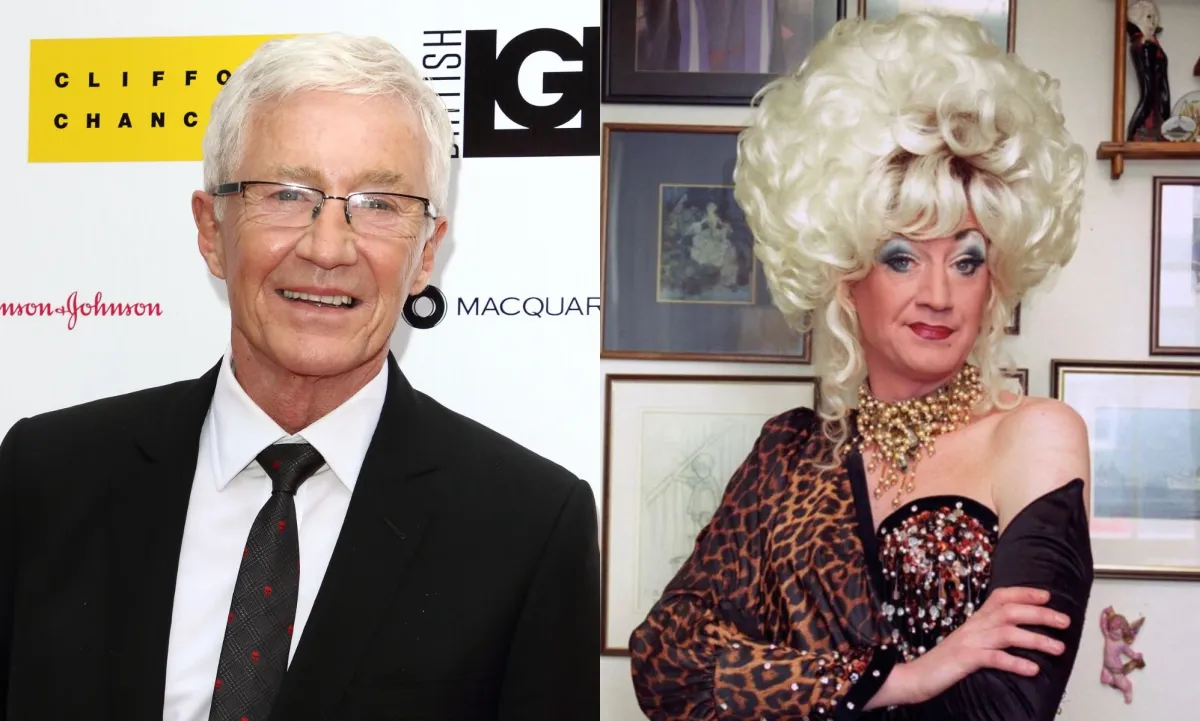 Photo: Paul O'Grady, via www.thepinknews.com
The Qualification Criteria
What exactly does it take to achieve National Treasure status in modern Britain? The formula has become surprisingly standardised. You need to be over 50 (wisdom), work primarily in television (accessibility), have at least one signature catchphrase (memorability), and most importantly, you need to feel like someone's favourite uncle or auntie.
Bonus points if you've overcome adversity, have a working-class background, or can make the nation laugh while secretly fighting your own demons. The British public loves nothing more than someone who's "been through it" but still manages to brighten everyone else's day.
The Media Coronation Machine
The process of creating a National Treasure has become as choreographed as a royal wedding. First comes the "discovery" phase, where journalists suddenly notice that someone has been consistently brilliant for years. Then the retrospective pieces celebrating their "underappreciated genius." Finally, the official coronation via a major television tribute or documentary.
Watch how quickly the language shifts. One day they're "popular presenter John Smith," the next they're "beloved entertainer John Smith," and within six months they're "national treasure John Smith." The media has essentially become a factory for manufacturing saints.
The Gorden Ramsay Paradox
Some celebrities seem immune to the National Treasure treatment, no matter how famous or successful they become. Gordon Ramsay has been on our screens for over two decades, has helped countless businesses, and genuinely seems to care about British food culture. But he'll never be a National Treasure because he's too abrasive, too wealthy, and too comfortable with conflict.
 Photo: Gordon Ramsay, via images-cdn2.welcomesoftware.com
The British public demands their treasures to be slightly self-deprecating, fundamentally kind, and preferably not too flashy with their success. You can be rich, but you can't act rich. You can be famous, but you can't act famous.
The Regional Representatives
There's also a geographical element to the National Treasure system that nobody talks about openly. We need a Northern representative (currently Sarah Lancashire), a Scottish one (Billy Connolly, though he's semi-retired), a Welsh one (Michael Sheen is campaigning hard), and several London-based options for different demographics.
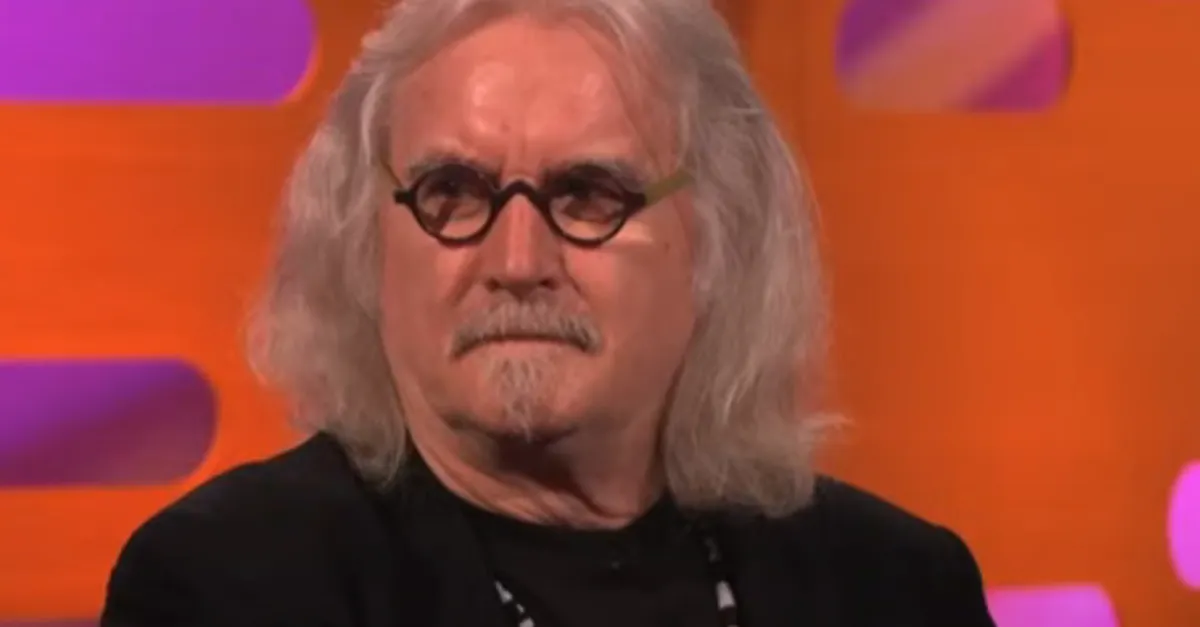 Photo: Billy Connolly, via cdn.entertainmentdaily.com
It's like a shadow cabinet of beloved personalities, each representing different aspects of British identity. The system ensures that everyone can see themselves reflected in our pantheon of treasures.
The Acceleration Problem
Here's where it gets troubling: the speed of the process is increasing. What once took decades now happens in years. Social media has created a feedback loop where public affection can be measured in real-time, and the media responds accordingly.
Joe Lycett went from "comedian you might have seen on panel shows" to "national treasure" in roughly three years, largely thanks to his gleefully chaotic approach to corporate accountability and his willingness to put his money where his mouth is. The timeline that once required a lifetime career now needs just a few viral moments.
The Replacement Anxiety
The real driver behind this acceleration isn't celebration – it's fear. Britain is terrified of running out of National Treasures. Every time we lose one, there's a genuine panic about whether we have anyone worthy to take their place. The media immediately starts auditioning candidates like we're casting for a particularly important role in the national psyche.
This anxiety reveals something deeper about British culture. We need these figures more than we're comfortable admitting. In an era of political chaos and social fragmentation, National Treasures provide a sense of continuity and shared values that feels increasingly rare.
The Backlash Cycle
But there's a darker side to the National Treasure factory. The faster we elevate people, the faster we tear them down. The media that builds them up is the same media that will eventually find their feet of clay. Every saint is one scandal away from becoming a cautionary tale.
The speed of the cycle means that public figures barely have time to adjust to their elevated status before they're expected to live up to impossible standards. The pressure to remain "authentic" while being constantly scrutinised is enormous.
The Commercial Imperative
Let's not pretend this is purely about public affection. National Treasure status is incredibly valuable commercially. It means guaranteed television ratings, bestselling autobiographies, and the kind of public goodwill that brands will pay millions to associate with.
The entertainment industry has cottoned on to this, and now actively cultivates potential National Treasures. PR teams work to position their clients as "authentic" and "down to earth." The whole process has become professionalised in a way that would have horrified the original treasures.
The Diminishing Returns
Here's the uncomfortable truth: the more National Treasures we create, the less special the designation becomes. When everyone is beloved, no one is. The title that once meant decades of consistent public service and genuine cultural impact now gets handed out like participation trophies.
Maybe it's time to admit that not everyone needs to be a National Treasure. Maybe some people can just be very good at their jobs without being elevated to secular sainthood. Maybe the real treasure was the entertainers we met along the way, not the artificial pedestals we insisted on building for them.
The conveyor belt keeps turning, but it's worth asking: what happens when we run out of shelf space for all these treasures?