The Sofa Graveyard: Where Britain's Chat Show Dreams Go to Die in Prime Time Purgatory
The Curse of the Prime Time Sofa
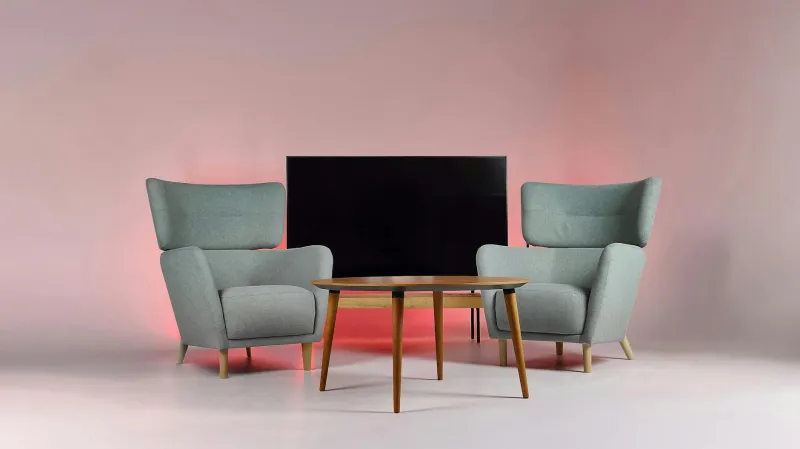
There's something genuinely cursed about the British chat show format. For every Graham Norton who manages to survive the transition from BBC Three to BBC One, there are dozens of television personalities whose careers have been brutally ended by the simple act of sitting opposite celebrities on a sofa. It's like the furniture itself is possessed by the ghost of failed television ambitions.
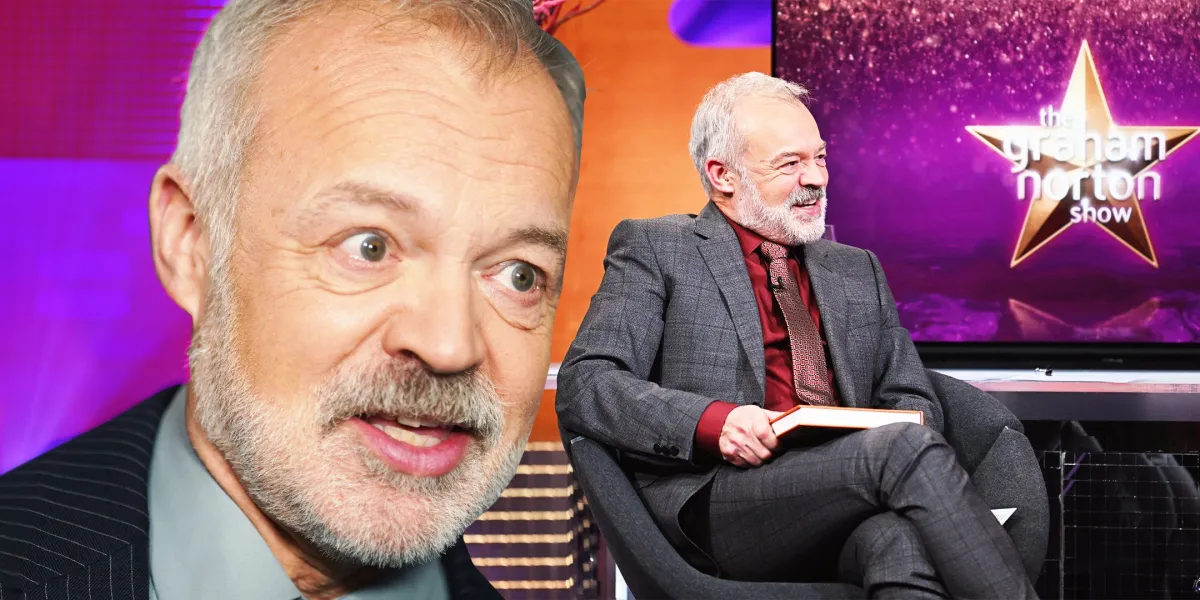 Photo: Graham Norton, via static0.thethingsimages.com
The statistics are genuinely depressing. Since 2000, British television has attempted to launch 47 different chat show formats. Of those, exactly three are still broadcasting. The rest exist only in the fevered nightmares of commissioning editors and the YouTube archives of television obsessives who collect failure like other people collect stamps.
The Wogan Standard Nobody Can Meet
Terry Wogan didn't just host a chat show – he created a cultural institution that made Wednesday and Friday evenings appointment television for an entire generation. His secret wasn't just the Irish charm or the ability to make celebrities feel comfortable; it was understanding that British audiences want warmth, not interrogation.
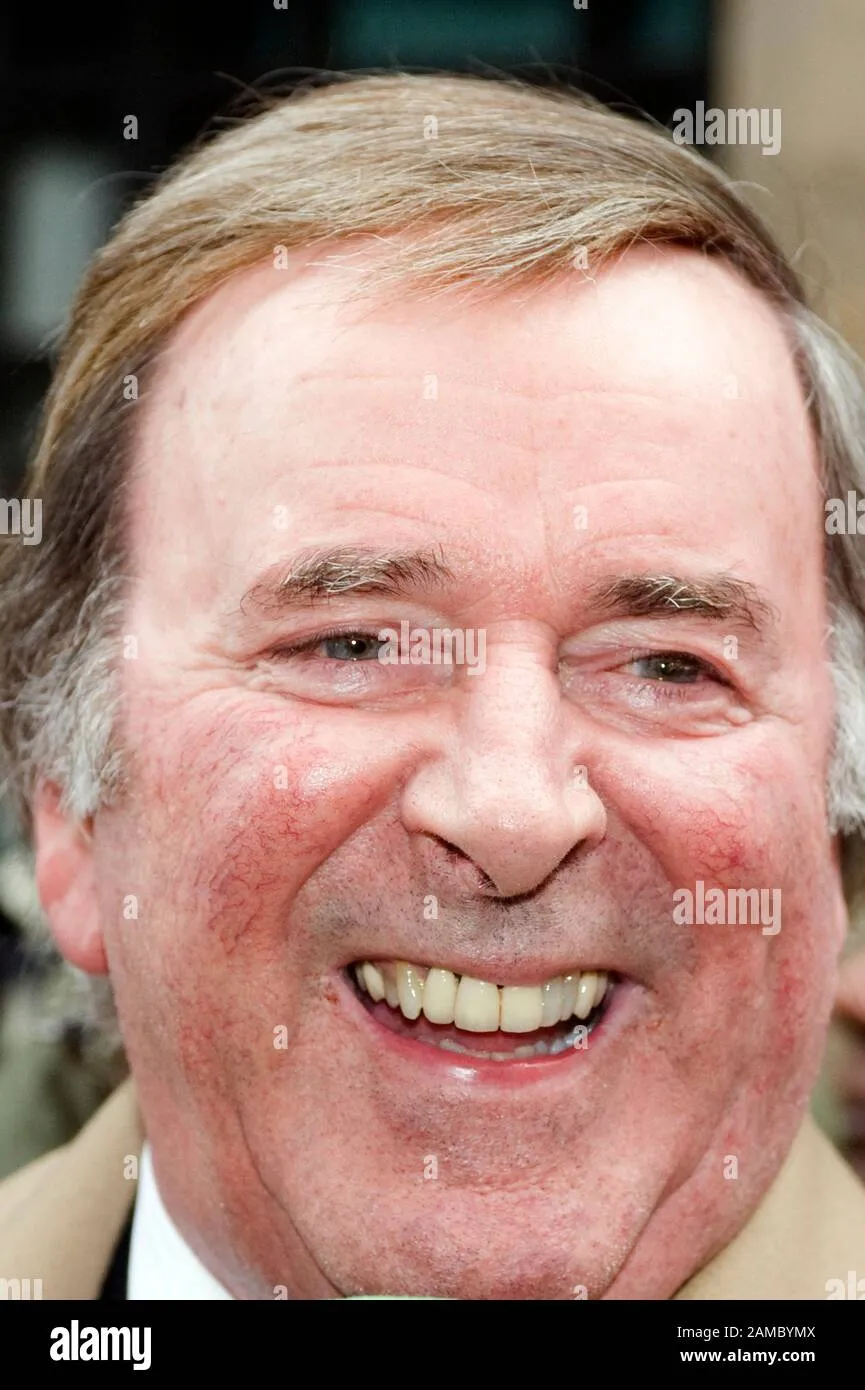 Photo: Terry Wogan, via c8.alamy.com
Every chat show since has been measured against the Wogan standard, and every single one has fallen short. The format demands a specific type of personality – confident enough to control A-list celebrities, humble enough to let them shine, quick enough to rescue dying conversations, and warm enough to make viewers feel included in the conversation.
The Commissioning Committee Kiss of Death
Here's where it gets properly tragic. Television executives understand the commercial appeal of chat shows – they're relatively cheap to produce, attract celebrity guests who drive social media engagement, and fill schedule slots efficiently. What they don't understand is that successful chat shows can't be manufactured through focus groups and market research.
The commissioning process itself is killing potentially great hosts. By the time a chat show concept has survived multiple committee meetings, script reviews, and pilot episodes, any authentic personality has been committee-ed out of existence. The result is sanitised television that offends nobody and excites nobody.
The Personality Paradox
British television is currently stuffed with personalities who should theoretically make brilliant chat show hosts. Comedians with razor-sharp wit, actors with natural charisma, presenters with years of live television experience. Yet somehow, the moment they sit behind that desk, something dies.
The problem is that chat show hosting requires a very specific skill set that has nothing to do with being funny, charming, or experienced. It's about creating an atmosphere where celebrities want to reveal themselves, where conversations flow naturally, and where viewers feel like they're eavesdropping on fascinating people rather than watching a promotional exercise.
The Celebrity Guest Crisis
Modern celebrity culture has made traditional chat shows almost impossible to execute well. Today's stars arrive with teams of publicists, pre-approved talking points, and social media strategies that treat every appearance as content creation rather than conversation.
Wogan's guests showed up to chat. Norton's guests arrive to perform. The difference is profound and explains why so many contemporary chat shows feel like elaborate promotional exercises rather than genuine entertainment. When celebrities are more interested in their Instagram story than the actual conversation, the format breaks down completely.
The Failed Experiments We've Tried to Forget
Let's pour one out for the absolute disasters that proved the format's cursed nature. Remember when ITV thought putting Piers Morgan behind a chat show desk was a good idea? Or when Channel 4 decided that what British television really needed was a chat show hosted by someone whose main qualification was being controversial on Twitter?
The graveyard is littered with concepts that looked brilliant on paper. Comedy legends who couldn't translate their stand-up skills to conversation. Veteran broadcasters who discovered that radio charisma doesn't automatically transfer to television. Reality TV stars who mistook notoriety for genuine audience connection.
The Norton Exception That Proves the Rule
Graham Norton's success makes everyone else's failure more mysterious. He's managed to crack the code by understanding that modern chat shows need to be variety shows in disguise. The red chair, the audience participation, the deliberate chaos – it's all designed to create moments that work as both television and social media content.
But Norton's format is so specific to his personality and comic timing that it can't be replicated. Attempts to copy his approach with different hosts have failed spectacularly, proving that successful chat shows are more about alchemy than formula.
The Streaming Service Threat
Netflix and Amazon have shown zero interest in commissioning traditional British chat shows, understanding something that terrestrial broadcasters refuse to acknowledge – the format is fundamentally broken for modern consumption patterns. Streaming audiences don't want scheduled appointment television; they want bingeable content that works at any time of day.
Meanwhile, podcasts have captured the intimate conversation element that made classic chat shows compelling. When celebrities can have three-hour unedited conversations on Joe Rogan's podcast, why would they submit to eight-minute promotional slots on traditional television?
The Regional Representation Problem
British chat shows suffer from an endemic London bias that alienates huge portions of their potential audience. Every failed format has been hosted by someone who sounds like they've never ventured north of the M25, discussing cultural references that resonate in media bubbles but nowhere else.
The most successful regional attempts – like Alan Carr's various projects – have succeeded precisely because they acknowledge that British culture extends beyond the capital. Yet commissioning editors continue to greenlight concepts that feel designed by and for metropolitan media types.
Who Should Get the Keys to the Sofa?
If British television is serious about reviving the chat show format, several personalities could theoretically make it work. James Acaster has the comic timing and unexpected warmth that could translate brilliantly to conversation. Katherine Ryan understands celebrity culture from both sides and isn't afraid of authentic moments.
But the real answer might be that the traditional chat show format is genuinely dead, and we need to stop trying to resurrect it. The future of celebrity conversation might be podcast-style long-form interviews, or variety show formats that incorporate chat elements, or something entirely new that hasn't been invented yet.
The Life Support Question
The brutal truth is that British television keeps commissioning chat shows not because audiences are demanding them, but because they represent a familiar format that feels safe to risk-averse executives. It's easier to blame the host when a chat show fails than to acknowledge that the entire concept might be fundamentally unsuited to contemporary media consumption.
Until commissioners are willing to either completely reimagine the format or accept that its time has passed, we'll continue to witness the tragic spectacle of talented personalities being fed to the chat show graveyard. Their careers will be sacrificed on the altar of nostalgic programming decisions, and British television will continue to produce content that nobody particularly wants to watch.
Perhaps it's time to let the chat show format rest in peace, rather than continuing to exhume its corpse for another doomed attempt at prime time resurrection.