Skint Chic: The Obscenely Wealthy Celebs Cashing In on Britain's Cost-of-Living Crisis
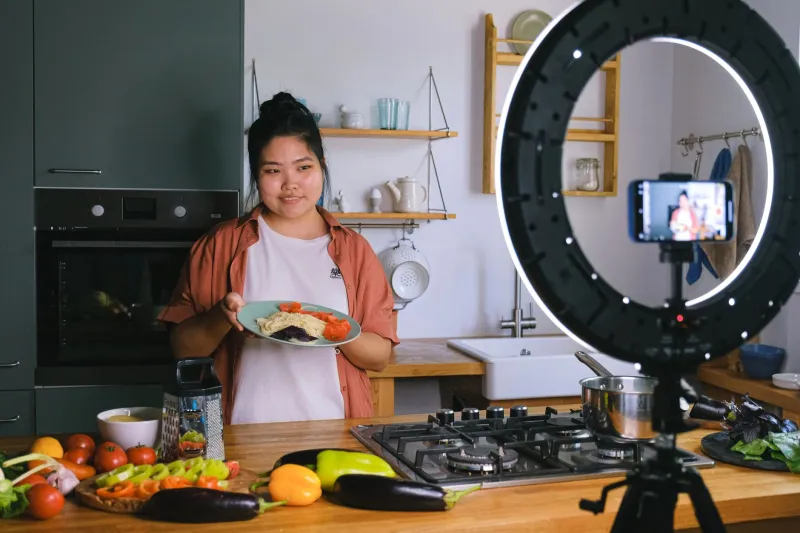
There's a particular kind of content that's been absolutely flooding British social media lately, and once you notice it, you genuinely cannot stop seeing it. A well-known influencer — house in a postcode that would make your eyes water, wardrobe that costs more than your annual salary — sits in a tastefully neutral kitchen and explains, with tremendous sincerity, how they've been "really trying to be mindful about spending lately." They then proceed to cook a meal using ingredients that cost £4.70. The comments section erupts in admiration. The post gets 200,000 likes.
Meanwhile, a third of British households are still struggling with energy bills that have permanently restructured their financial lives.
Welcome to Skint Chic — the most morally bankrupt trend in British entertainment right now, and somehow also one of the most commercially successful.
The Anatomy of Performative Poverty
Let's be precise about what we're talking about, because it takes several different and equally baffling forms.
First, there's the budget content influencer — someone with a net worth comfortably in the millions who has discovered that filming themselves shopping at Aldi generates significantly more engagement than their usual aspirational lifestyle content. The genius of this format is that it requires absolutely no sacrifice. They're not actually changing their spending habits. They're just performing thrift for an audience that doesn't have the luxury of performing anything.
Then there's the relatable celebrity interview, in which a famous person with a combined property portfolio worth £15 million explains to a sympathetic journalist that they "really understand" the pressure ordinary families are under, often citing some vague memory of being "quite skint" in their early twenties before their career took off. This is usually published alongside a photo taken in their Cotswolds second home.
And finally — perhaps the most sophisticated and therefore most infuriating version — there's the prestige drama inheritance storyline, where a wealthy fictional character suddenly faces financial difficulty, giving writers the opportunity to explore working-class struggle through the safely distanced lens of someone who was previously rich and therefore remains fundamentally aspirational. The audience gets to experience poverty aesthetics without any of the actual structural critique.
Who's Doing It Best (Worst?)
The influencer economy has produced some truly staggering examples of this phenomenon. Several creators who built their brands on luxury hauls and premium travel content have, in the past two years, quietly pivoted toward "budget living" series — complete with dramatic thumbnails about "I tried living on £50 a week" (spoiler: they found it challenging but ultimately character-building, and their £2,500 kitchen made the whole thing look rather lovely).
The engagement numbers on this content are, from a purely analytical standpoint, extraordinary. Budget and "frugal living" videos from accounts that were previously pure luxury content routinely outperform their creator's other material by a factor of three or four. The algorithm rewards relatability. And relatability, it turns out, is now a performance that the wealthy can simply purchase — or rather, script.
What's particularly sharp about the British version of this trend is how it maps onto existing class anxieties. Britain has always had a complicated relationship with money — a culture that simultaneously celebrates wealth and regards ostentatious displays of it with deep suspicion. Performing thrift is therefore a kind of social lubricant, a way for the wealthy to signal that they haven't entirely forgotten where the rest of us live.
The Audience's Complicity
Here's the uncomfortable question: why do we watch it? And not just watch it — actively reward it with engagement, subscriptions, and genuine affection?
Media analyst Priya Sharma, who studies British consumption habits, suggests it's partly about aspiration inversion. "During periods of genuine economic hardship, aspirational content can feel alienating and even cruel," she explains. "Budget content from wealthy creators offers a strange middle ground — you're still watching someone with a beautiful life, but they're temporarily operating within constraints that feel familiar. It's aspirational content wearing a hi-vis jacket."
There's also, frankly, a comfort in seeing the wealthy struggle — even if that struggle is entirely manufactured. The fantasy that a millionaire finds a £50 weekly food budget challenging is, in its own perverse way, reassuring. It suggests that money doesn't insulate you from the basic human experience of having to make choices. Even if it absolutely does.
The Moral Maths Simply Don't Add Up
Let's be genuinely blunt here, because someone should be: there is something deeply troubling about a media ecosystem that financially rewards wealthy people for performing an experience that millions of their audience members are living without any element of performance involved.
When a creator with brand deals worth hundreds of thousands of pounds films themselves calculating whether they can afford a second tin of tomatoes, they are not creating empathy. They are creating content. The distinction matters enormously, and the fact that British audiences have largely stopped making it is perhaps the most revealing thing about where we are culturally.
The real working-class creators — the ones documenting genuine budget cooking out of genuine necessity, the ones whose "frugal living" content comes from actual frugal living — are out there. They exist. They're just not getting the algorithm boost, the brand partnerships, or the magazine profiles. Because their version of the story doesn't have the aspirational sheen that makes it comfortable to watch.
The Reckoning That Hasn't Come Yet
Occasionally, the mask slips. A "budget living" video gets fact-checked. Someone notices that the "affordable" kitchen in the background contains appliances that retail for £800. A comment goes viral pointing out that the creator's "tight month" involved a weekend in the Maldives.
The backlash, when it comes, is fierce but brief. Then the content cycle continues. Because the demand is real, the supply is limitless, and the profits are, rather ironically, enormous.
Skint Chic isn't going anywhere. If anything, it's becoming more sophisticated — better produced, more carefully worded, more adept at pre-empting criticism. The wealthy performing poverty for profit has found its format, its audience, and its business model.
The only people not profiting from Britain's financial hardship, it seems, are the people actually experiencing it.