From Palace to Platform: How the Windsors Became Netflix's Favourite Cash Cow
The Accidental Algorithm Masters
Somewhere between Princess Diana's death and Prince Andrew's car crash interview, the British Royal Family stumbled into the most lucrative career pivot in entertainment history. They've become unwitting content creators for a generation raised on Netflix binges and TikTok scandals, and the numbers are absolutely staggering.
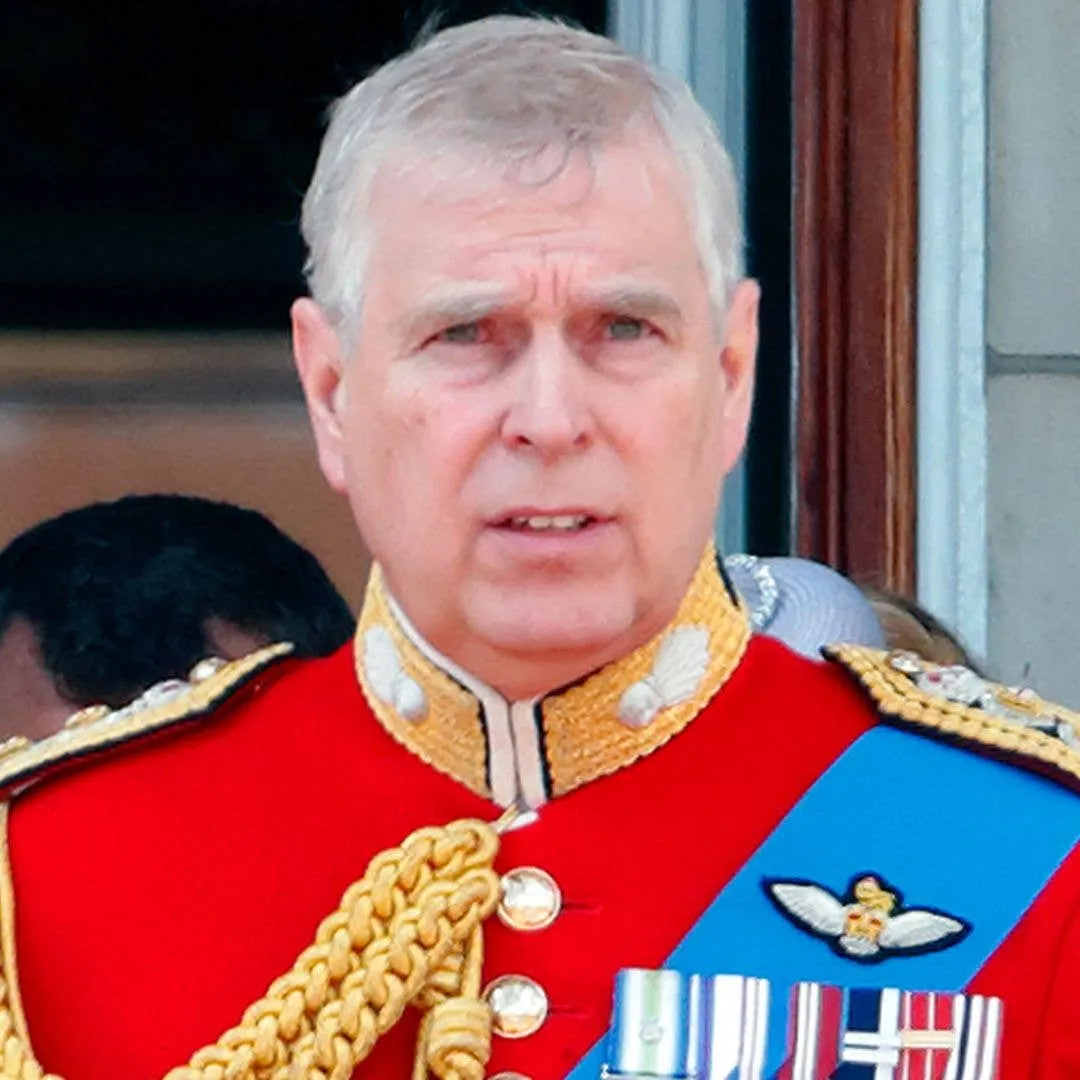 Photo: Prince Andrew, via images.hellomagazine.com
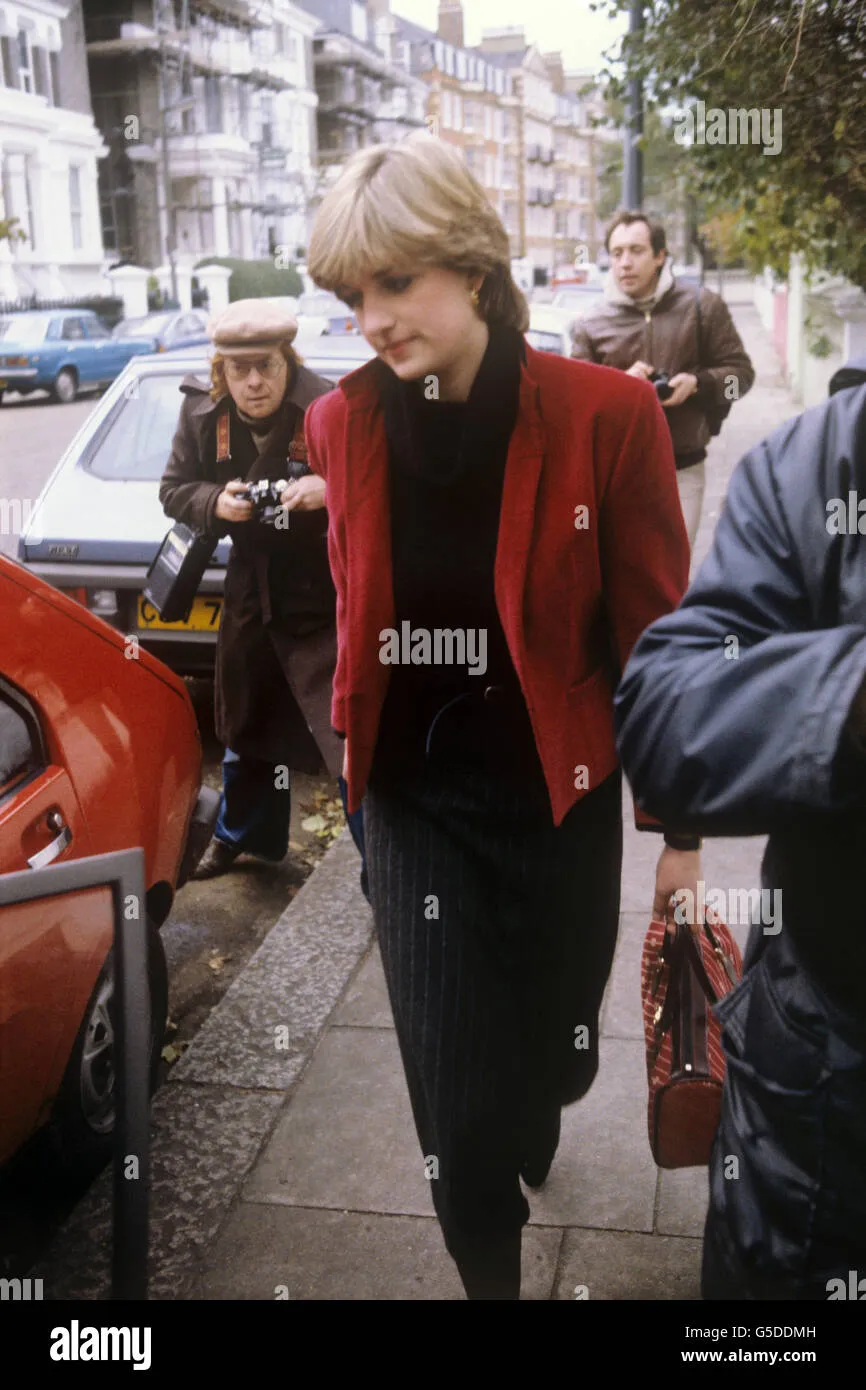 Photo: Princess Diana, via c8.alamy.com
The Crown alone has racked up over 73 million households worldwide, making it one of Netflix's most-watched series ever. But that's just the tip of the iceberg. Every royal wedding, funeral, or family fallout spawns an entire ecosystem of documentaries, podcasts, and YouTube deep dives that collectively rack up hundreds of millions of views.
The Content Factory Nobody Asked For
Consider this: when the Queen died in September 2022, BBC iPlayer crashed from the sheer volume of people trying to watch coverage. Within 48 hours, there were already three different podcasts analysing the succession, two emergency documentaries commissioned, and enough TikTok conspiracy theories to fuel a small university's media studies department.
The Palace might maintain its stiff upper lip about "dignity" and "tradition," but someone's clearly cottoned on to the game. Why else would they hire a former BBC executive as their new communications chief? Why the sudden embrace of social media? Why the carefully choreographed "candid" moments that seem tailor-made for viral clips?
The Meghan and Harry Masterclass
Nobody understood the assignment quite like the Duke and Duchess of Sussex. Their Oprah interview pulled in 49.1 million viewers globally – more than most Super Bowl broadcasts. Their Netflix documentary series became the platform's most-watched documentary debut ever. Harry's memoir "Spare" broke first-day sales records.
They've essentially turned royal trauma into a vertically integrated media empire, and frankly, it's genius. While the rest of the family maintains the pretence that they're above such vulgar commercialism, Harry and Meghan have openly embraced their role as content providers and are laughing all the way to their Montecito mansion.
The Algorithm Loves a Crown
Here's where it gets properly mental: royal content performs better than almost anything else on streaming platforms. The Crown consistently outperforms Marvel shows on Netflix. Royal wedding highlights get more YouTube views than most music videos. Even decades-old footage of Diana gets millions of TikTok views when set to the right trending audio.
The algorithm has basically decided that the Windsors are Britain's answer to the Kardashians, except with better real estate and more complicated family dynamics. Every scandal becomes a series, every celebration becomes a special, every death becomes a documentary trilogy.
The Streaming Wars' Secret Weapon
Netflix might have The Crown, but Amazon Prime has royal documentaries, Apple TV+ is reportedly developing a Margaret Thatcher-Queen Elizabeth series, and even Disney+ is getting in on the action with historical royal content. The streamers have essentially turned the monarchy into their own private intellectual property war.
The irony is delicious: a thousand-year-old institution that built its power on controlling information has become the ultimate content farm for platforms that thrive on accessibility and endless consumption. They've gone from "never complain, never explain" to "never stop providing material for limited series."
The Palace's Silent Strategy
Don't be fooled by the official line about "maintaining standards." The Palace has quietly professionalised their digital presence in ways that would make most influencers weep with envy. Their Instagram posts are perfectly timed for maximum engagement, their photography is magazine-quality, and their "behind the scenes" content feels suspiciously like it was focus-grouped to death.
They've learned to feed the beast without appearing to feed the beast. Every "private" moment that gets photographed, every "leaked" detail that finds its way into the press, every perfectly timed announcement – it's all part of a content strategy that keeps the royal brand trending without appearing to try.
The £2 Billion Question
Conservative estimates put the global entertainment value of royal content at over £2 billion annually. That's not just The Crown – that's everything from tourist documentaries to historical dramas to true crime podcasts about royal scandals. The monarchy has become a franchise more valuable than most Hollywood studios.
And the beauty of it? They don't have to pay actors, writers, or directors. They just have to exist, preferably dramatically. Every family dinner is potential source material, every public appearance is a photo opportunity, every scandal is a season finale.
The Future of Franchise Monarchy
As William and Kate's children grow up as the first truly digital-native royals, expect this trend to accelerate. They're being raised in a world where every moment is potentially content, where privacy is a luxury, and where their family's continued relevance depends on their ability to remain compelling to audiences who have infinite entertainment options.
The monarchy survived the Abdication Crisis, World War II, and the Diana years. But their greatest test might be staying interesting enough to justify their existence to a generation that measures value in views, likes, and streaming numbers. Lucky for them, they seem to be natural-born content creators.